Discover the Alopekis: A Rare Gem from Ancient Greece
Throughout history, dogs have played important roles in human societies as hunters, guardians, and loyal companions. But some breeds have been around so long, their origins are steeped in myth and mystery. One such breed is the Alopekis, a small but mighty dog with a rich past and endearing personality. If you‘re a dog lover seeking a unique and fascinating companion, the Alopekis might just be your perfect match.
A Living Link to Ancient Times
The Alopekis is no ordinary dog – this breed‘s history stretches back thousands of years to ancient Greece. According to archaeological evidence, dogs resembling the Alopekis have been found buried alongside humans in Paleolithic sites dating back to 10,000 BCE. Ancient Greek art and literature also make frequent references to small, foxlike dogs that match the Alopekis‘ description.
In fact, the breed‘s name comes from the ancient Greek word "alopekis", meaning "small fox". It‘s easy to see why – with their pointed muzzles, alert ears, and intelligent expressions, Alopekis have a distinctly vulpine appearance. But don‘t let their size fool you – these compact canines were bred for hard work and adaptability.
Throughout history, Alopekis served as skilled vermin hunters, keeping homes and farms free of rats and mice. They also acted as vigilant watchdogs, sounding the alarm at any sign of danger. Their small size and quick reflexes made them ideal for guarding poultry like chickens and ducks from predators such as foxes and weasels.
For centuries, Alopekis roamed freely in Greek villages and the countryside, valued for their keen instincts and hardworking nature. It wasn‘t until the 20th century that the breed began to decline, as modern farming practices and changing lifestyles lessened the need for their traditional roles. By the 1970s, the Alopekis was nearly extinct.
Thankfully, a dedicated group of Greek dog enthusiasts recognized the importance of preserving this historic breed. Through careful breeding programs and public education, the Alopekis population has slowly begun to rebound. However, they are still extremely rare – according to the Greek Kennel Club, only about 300 Alopekis are registered worldwide as of 2024.
Foxy Looks and Outgoing Charm
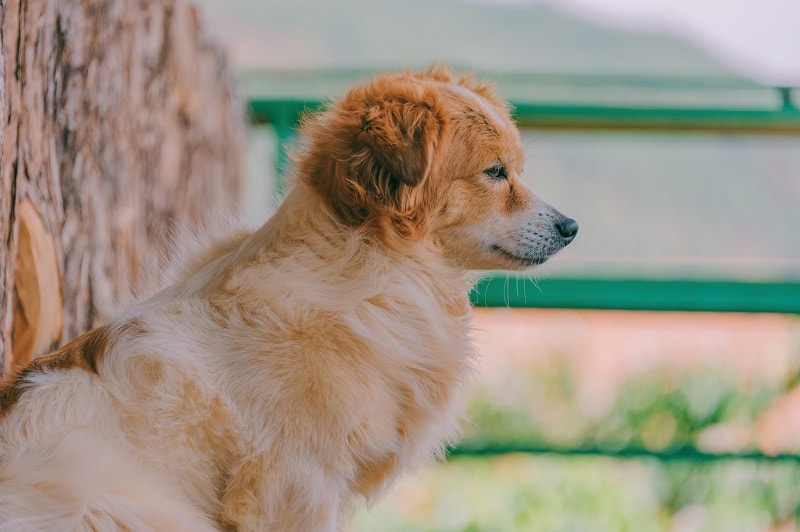
So, what can you expect if you‘re lucky enough to meet an Alopekis? First, you‘ll likely be struck by their unique appearance. These compact dogs typically stand 9-13 inches tall at the shoulder and weigh 7-18 pounds. They have short, smooth coats that come in a variety of colors, including black, white, fawn, and red. Some Alopekis sport a striking particolored pattern with patches of different shades.
Compared to other popular small breeds like the Chihuahua or Yorkshire Terrier, the Alopekis has a slightly longer, leaner body and more pronounced foxy features. Their wedge-shaped head, alert triangular ears, and keen almond-shaped eyes give them an intelligent, inquisitive expression. They move with a quick, agile gait, always ready for action.
But the Alopekis‘ charm goes beyond their looks. This is a breed known for its outgoing, affectionate personality and zest for life. Alopekis form strong bonds with their humans and love being involved in all aspects of family life. They‘re equally happy snuggling on the couch, romping in the yard, or joining you on a hike or road trip.
As one long-time Alopekis owner puts it, "These dogs have a way of making every day an adventure. They greet each morning with contagious enthusiasm and seem to find joy in the simplest things, whether it‘s chasing a ball or just basking in the sun. That positive energy is truly uplifting to be around."
Alopekis are also known for their intelligence and adaptability. They‘re quick learners who thrive on positive reinforcement training and mental stimulation. Many Alopekis excel in canine sports like agility, obedience, and rally due to their eager-to-please nature and problem-solving skills.
Is an Alopekis Right for You?
While the Alopekis‘ small size and friendly demeanor make them appealing to many dog lovers, they‘re not the ideal match for every household. As a breed with a working background, Alopekis have moderate to high exercise needs and require daily activity to stay physically and mentally fulfilled. A bored or under-exercised Alopekis can become destructive or develop nuisance barking habits.
Alopekis do best with an active family that can provide them with plenty of daily walks, playtime, and opportunities to use their keen minds. They enjoy learning new tricks, participating in dog sports, and even helping with tasks around the house, like carrying small items or "supervising" chores. While they can adapt to apartment living, Alopekis appreciate having a securely fenced yard where they can explore and burn off energy.
As mentioned, Alopekis have a strong prey drive thanks to their history as ratters and vermin hunters. They may view small pets like rabbits, guinea pigs, or even cats as potential prey, so careful introduction and supervision are essential in multi-pet households. On the flip side, Alopekis typically get along well with other dogs and enjoy having canine playmates.
Alopekis are generally good with children and make playful, affectionate companions for kids old enough to respect their boundaries. However, like any dog, they should always be supervised around young children to prevent accidental injury or overexcitement.
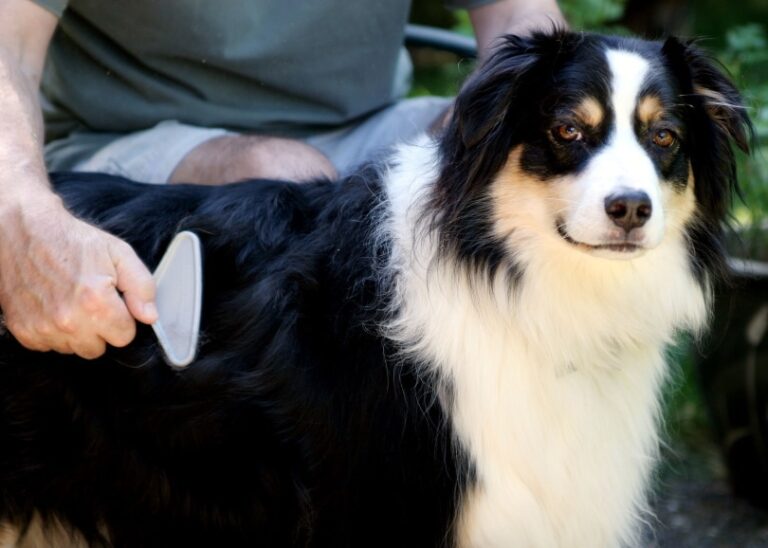
When it comes to grooming, the Alopekis is relatively low-maintenance. Their short, smooth coat requires weekly brushing to remove loose hair and occasional baths as needed. They shed moderately year-round, so regular vacuuming and lint-rolling can help keep fur under control. Other basic care needs include dental hygiene, nail trims, and ear cleaning.
The Alopekis is generally a healthy breed with a lifespan of 12-15 years. However, like many purebred dogs, they can be prone to certain genetic health issues. These include patellar luxation (slipping kneecaps), Legg-Calve-Perthes disease (hip joint degeneration), and eye disorders like progressive retinal atrophy. Responsible Alopekis breeders screen their breeding stock for these conditions to minimize the risk of passing them on to puppies.
One potential drawback of the Alopekis‘ rarity is the challenges of finding a well-bred puppy. With so few Alopekis worldwide, prospective owners may need to join a waiting list or travel to find a reputable breeder. This scarcity also means Alopekis puppies can be quite expensive, typically costing several thousand dollars.
However, for dedicated dog lovers seeking a unique and fascinating companion, the Alopekis‘ many charms may well be worth the effort and investment. As one breeder puts it, "These dogs may be small in number, but they‘re big in personality and heart. Once you‘ve been owned by an Alopekis, you‘ll never want anything else."
A Breed Like No Other
In a world of popular pooches and trendy crossbreeds, the Alopekis stands out as a true original. With their ancient history, foxy good looks, and larger-than-life personalities, these little dogs offer something truly special for the right owner. If you‘re seeking a lively, loyal companion with a storied past and bright future, the Alopekis might just be your perfect match.
Of course, bringing home any rare breed comes with challenges and responsibilities. Prospective Alopekis owners should do their research, choose a reputable breeder, and be prepared to provide their dog with the training, socialization, and care they need to thrive. But for those willing to make the effort, the rewards of sharing your life with an Alopekis are truly immeasurable.
As the saying goes, "A small dog will make your heart bigger." And perhaps no dog proves that quite like the mighty little Alopekis. With their enduring spirit, zest for life, and unwavering loyalty, these ancient Greek treasures have a way of captivating hearts and enriching lives like no other breed. So if you‘re ready for a pint-sized companion with a huge personality, consider opening your home and heart to an Alopekis. You might just discover a love that‘s as old as history and as rare as the breed itself.