The Magnificent Mauxie: A Comprehensive Guide to the Maltese-Dachshund Mix
Introduction
As a veterinarian and lifelong dog enthusiast, I‘ve had the pleasure of working with countless breeds over the years. But there‘s one little hybrid that never fails to steal my heart – the mighty Mauxie. This charming cross between a Maltese and a Dachshund has been gaining popularity in recent years, and it‘s easy to see why. With their adorable looks, spunky personality, and devoted nature, Mauxies make wonderful companions for many types of households.
In this comprehensive guide, we‘ll take a closer look at what makes the Mauxie so special, from their physical characteristics and temperament to their exercise needs, grooming requirements, and overall health. We‘ll also explore the Mauxie‘s suitability for different living situations and share some fun facts about this delightful designer breed. So, let‘s dive in and discover the magnificent world of Mauxies!
Physical Characteristics
The Mauxie is a small-sized hybrid dog that typically weighs between 5 to 20 pounds and stands 7 to 12 inches tall at the shoulder when fully grown. However, since this is a relatively new mixed breed, there can be some variation in size depending on which parent breed the puppy takes after more.
Here‘s a quick rundown of the Mauxie‘s key physical traits:
- Head: Slightly rounded skull, medium-length muzzle, dark nose, and expressive eyes
- Ears: Floppy, set high on the head, and covered in fur
- Body: Compact, slightly elongated, with a deep chest and short, sturdy legs
- Tail: Medium-length, often carried high and curved over the back
- Coat: Can vary from long and silky (like the Maltese) to short and wiry (like the Dachshund), in colors such as white, cream, black, tan, red, or a mix
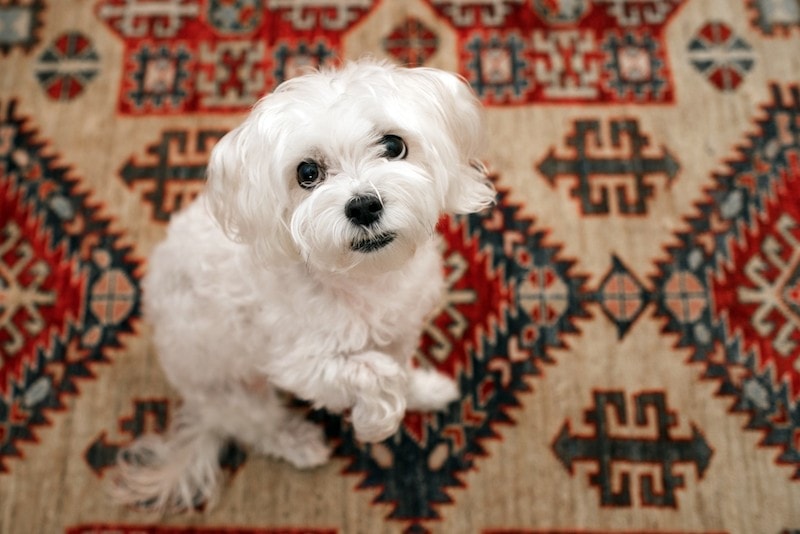
One of the most endearing qualities of the Mauxie is their adorable facial expression. With their round, soulful eyes and soft, fluffy fur, these pups have a way of melting even the toughest hearts. They may be small, but they pack a big punch in the cuteness department!
Coat Types and Grooming Needs
As mentioned above, Mauxies can inherit different coat types from their parent breeds. Here‘s a more detailed breakdown:
- Maltese-Type Coat: Long, silky, single layer that grows continuously and requires regular brushing (at least 2-3 times per week) to prevent tangles and mats. May need occasional trimming.
- Dachshund-Type Coat: Short, slightly wiry, double layer with a soft undercoat. Sheds moderately and requires occasional brushing (once a week) and bathing.
- Combination Coat: Medium-length, wavy or curly, with a mix of Maltese and Dachshund characteristics. Requires regular brushing (1-2 times per week) and occasional trimming.
Regardless of coat type, all Mauxies need basic grooming care, such as:
- Brushing teeth at least 2-3 times per week
- Cleaning ears weekly to prevent infection
- Trimming nails every 2-4 weeks
- Checking eyes and skin for any signs of irritation or disease
"Regular grooming not only keeps your Mauxie looking their best, but it also helps strengthen the bond between dog and owner," says Sarah Davis, a professional groomer with over a decade of experience. "Plus, it allows you to catch any potential health issues early on."
Temperament and Personality
Mauxies are known for their lively, affectionate, and loyal nature. They thrive on human companionship and love being the center of attention. As a cross between two breeds that were originally developed as companion dogs (the Maltese) and hunting dogs (the Dachshund), Mauxies tend to have a unique blend of traits that make them both cuddly lapdogs and brave little watchdogs.
Here are some common personality characteristics of Mauxies:
- Affectionate: Mauxies form strong attachments to their owners and crave physical touch, often following their favorite humans from room to room.
- Playful: These spunky little dogs love to play and have a silly, mischievous streak that keeps their owners entertained.
- Alert: With their keen senses and watchdog instincts, Mauxies are quick to bark at any perceived threats or unusual noises. They make excellent little alarm systems!
- Confident: Thanks to their Dachshund heritage, many Mauxies have a bold, fearless attitude and aren‘t afraid to stand up for themselves, even against much larger dogs.
- Intelligent: Mauxies are smart cookies and quick learners, but they can also have a stubborn streak that requires patient, consistent training.
- Adaptable: As long as they get enough exercise and attention, Mauxies can thrive in many living situations, from apartments to houses with yards.
Of course, every dog is an individual, and temperament can vary depending on factors like genetics, socialization, and training. But overall, Mauxies tend to be cheerful, outgoing, and deeply devoted to their humans.
Dr. Emily Parker, a veterinary behaviorist, notes that "early socialization is key for Mauxies, as they can be prone to fear or aggression towards strangers if not properly exposed to new people and situations as puppies. Positive reinforcement training and plenty of mental stimulation can also help prevent unwanted behaviors like excessive barking or destructive chewing."
Mauxies and Other Pets
Mauxies can get along well with other dogs and even cats if raised together and properly socialized. However, their Dachshund prey drive may cause them to chase smaller animals like rodents or rabbits. It‘s important to supervise interactions and provide safe spaces for each pet to retreat to if needed.
Introducing a new Mauxie puppy to resident pets should be done slowly and calmly, with plenty of positive reinforcement for good behavior. If you already have other dogs, look for a Mauxie puppy that has been raised with siblings and has a confident, outgoing demeanor.
Exercise and Activity Level
Don‘t let their small size fool you – Mauxies are energetic little dogs that need regular exercise to stay happy and healthy. They may not require hours of intense activity like some larger breeds, but they do best with at least 30-60 minutes of exercise per day, broken up into shorter sessions.
Here are some ideas for exercising your Mauxie:
- Daily walks (2-3 times per day, 10-20 minutes each)
- Play sessions in a securely fenced yard or dog park
- Interactive toys and puzzle feeders for mental stimulation
- Training games like fetch, hide-and-seek, or agility
- Trips to the beach or hiking trails (with a harness and leash)
It‘s important to note that Mauxies are prone to spinal issues like intervertebral disc disease (IVDD), which can be exacerbated by high-impact activities or jumping from heights. Avoid letting your Mauxie jump on and off furniture, and use ramps or pet stairs instead. Keep play sessions low-key and monitor your dog for any signs of pain or discomfort.
"The key is to provide a variety of physical and mental exercises that keep your Mauxie engaged without overdoing it," advises Dr. Lisa Thompson, a veterinarian who specializes in canine sports medicine. "Shorter, more frequent activity sessions are better than one long, intense workout."
Training and Socialization
Like all dogs, Mauxies need proper training and socialization from an early age to grow into well-behaved, well-adjusted adult dogs. They are intelligent and eager to please, but they can also have a stubborn streak that requires patience and consistency to overcome.
Here are some tips for training and socializing your Mauxie:
- Start training as early as possible, ideally between 8-16 weeks of age
- Use positive reinforcement techniques like praise, treats, and toys to reward good behavior
- Keep training sessions short (5-10 minutes) and fun to hold your Mauxie‘s attention
- Socialize your puppy to a variety of people, animals, and environments through puppy classes, playdates, and outings
- Teach basic obedience commands like sit, stay, come, and leave it
- Work on specific issues like house training, crate training, and leash walking
- Avoid punishment or harsh corrections, which can damage your bond and lead to fear or aggression
According to certified dog trainer Lisa Spector, "Consistency is key when training a Mauxie. Set clear boundaries and stick to them, but always use positive, reward-based methods. These little dogs are sensitive and don‘t respond well to harsh treatment."
Handling and Grooming
Mauxies are small dogs that can easily be injured if handled roughly. It‘s important to teach children and guests how to properly interact with your Mauxie, using gentle touches and avoiding picking them up without support.
Grooming can also be a bonding experience and a chance to teach your Mauxie to enjoy being handled. Start slowly and make it a positive experience with plenty of treats and praise. If your Mauxie has a longer coat, be sure to brush them regularly to prevent painful mats and tangles.
Health and Lifespan
As a hybrid breed, Mauxies can be prone to some of the same health issues as their parent breeds. However, they may also benefit from "hybrid vigor," which can reduce the risk of certain genetic disorders.
Here are some common health concerns to be aware of:
- Dental issues: Small breeds like Mauxies are prone to dental problems like tooth decay, gum disease, and tooth loss. Regular dental cleanings and at-home tooth brushing can help prevent these issues.
- Eye problems: Mauxies may be at risk for eye conditions such as glaucoma, cataracts, and corneal ulcers. Regular eye exams and prompt treatment can help preserve vision.
- Orthopedic issues: Due to their short legs and long spine, Mauxies can be prone to conditions like intervertebral disc disease (IVDD), patellar luxation, and hip dysplasia. Keeping your Mauxie at a healthy weight and avoiding high-impact activities can help reduce the risk.
- Skin allergies: Some Mauxies may develop skin allergies or sensitivities to certain foods, environmental factors, or grooming products. Working with your vet to identify and avoid triggers can help manage symptoms.
- Hypothyroidism: This hormonal disorder can cause weight gain, hair loss, and lethargy. It is usually managed with daily medication.
With proper care and regular vet check-ups, Mauxies can live an average of 12-16 years. Some may even reach their late teens or early 20s!
According to Dr. Rachel Miller, a veterinarian who specializes in small breed health, "The key to a long, healthy life for your Mauxie is preventive care. Feed a high-quality diet, keep up with vaccinations and parasite control, and schedule regular check-ups with your vet. Catching and treating issues early can make a big difference in your dog‘s quality of life."
Fun Facts About Mauxies
- The Mauxie is also known as a "Dachtese," "Malteenie," or "Wienertese," among other clever nicknames.
- Maltese dogs were favored by royalty and celebrities throughout history, from Queen Elizabeth I to Marilyn Monroe.
- Dachshunds were originally bred in Germany to hunt badgers and other den-dwelling animals. Their short legs and long bodies allowed them to fit into narrow burrows.
- The Maltese is one of the oldest dog breeds in the world, with a history dating back over 2,000 years.
- The Mauxie‘s small size and portability make them great travel companions. Many airlines allow them to fly in the cabin with their owners.
- Some famous Maltese owners include Elizabeth Taylor, Halle Berry, and Tony Bennett. Elvis Presley and John F. Kennedy also had Dachshunds!
Is a Mauxie Right for You?
The Mauxie can be a wonderful companion for the right owner, but they‘re not the best fit for everyone. Here are some things to consider before bringing a Mauxie into your life:
- Time and attention: Mauxies thrive on human companionship and don‘t do well when left alone for long periods. If you work long hours or travel frequently, a Mauxie may not be the best choice.
- Living space: While Mauxies can adapt to apartment living, they still need daily exercise and may bark at nearby noises. A house with a securely fenced yard is ideal.
- Other pets: Mauxies can get along with other dogs and cats, but may view smaller pets as prey. Careful introductions and supervision are necessary.
- Children: Mauxies can be great with gentle, respectful children, but may snap or bite if handled roughly. They may do best in homes with older kids or adults only.
- Grooming: Depending on coat type, Mauxies may require daily to weekly brushing and occasional professional grooming. Regular teeth brushing and nail trims are also necessary.
- Training: Mauxies are intelligent but can be stubborn. They need consistent, positive training from an early age to prevent behavior issues like barking, digging, or possessiveness.
- Health: Like all breeds, Mauxies are prone to certain health issues that may require extra vet care or expenses. Be prepared for the financial and emotional commitment of dog ownership.
If you can provide a loving, attentive home and meet their needs, a Mauxie can bring joy, laughter, and companionship to your life for many years to come.
Final Thoughts
The Mauxie may be small in size, but they‘re big in personality, heart, and charm. These adorable little fluff balls are the perfect blend of cuddly lapdog and spunky adventurer, with a loyal and loving nature that will melt your heart.
As with any breed, it‘s important to do your research and choose a reputable breeder or rescue organization. Look for a puppy or dog that has been well-socialized and comes from healthy parents. Be prepared to invest time and effort into training, socialization, and care to help your Mauxie thrive.
With their cute looks, lively spirit, and devoted companionship, it‘s no wonder that Mauxies are gaining popularity as family pets and emotional support animals. If you‘re looking for a pint-sized pal to share your life with, a Mauxie just might be your perfect match.