Do Airedale Terriers Shed? An In-Depth Guide to Grooming and More
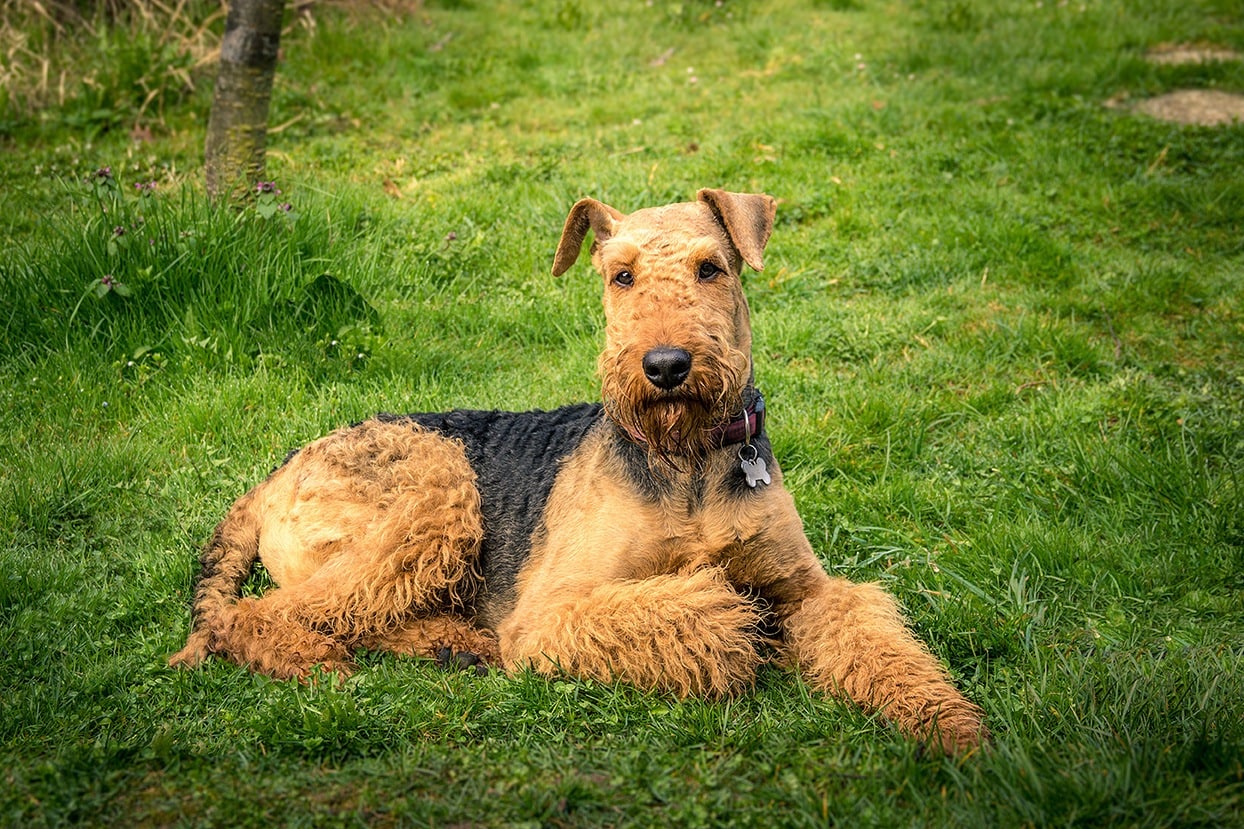
As a dog lover and veterinarian, I‘m often asked about shedding when people are considering different breeds. If you‘re thinking about bringing home an Airedale Terrier, you might be wondering – just how much do these shaggy terriers shed? In this comprehensive guide, we‘ll cover everything you need to know about Airedale Terrier coats, from shedding and grooming to common health issues and fun breed facts.
Understanding the Airedale Terrier Coat
Airedale Terriers are known for their distinct wiry double coats. The outer coat, or topcoat, is dense and harsh, while the undercoat is short and soft. This combination helps protect Airedales from the elements and reflects their history as rugged hunting dogs.
Compared to other Terrier breeds, Airedales have a slightly longer and less tightly curled coat. For example, the Lakeland Terrier has a shorter, more wiry coat, while the Welsh Terrier‘s coat is denser and more tightly curled. These differences in texture can impact shedding and grooming needs.
Shedding Level: Low to Moderate
So, how much hair can you expect to find on your furniture with an Airedale? The good news is that Airedale Terriers are relatively low shedders. They do lose some hair year-round, but the amount is generally quite manageable with regular brushing.
On a scale of 1-10, with 1 being minimal shedding and 10 being heavy shedding, Airedales typically fall around a 3 or 4. For comparison, a Golden Retriever might be an 8 on the shedding scale, while a Poodle would be closer to a 1.
It‘s worth noting that shedding can vary somewhat from dog to dog, even within the same breed. Factors like diet, health, and hormonal changes can all impact the amount of hair an individual dog loses. Additionally, Airedales may shed more heavily during seasonal coat changes in the spring and fall.
Coat Changes Over Time
An Airedale puppy‘s coat will start out soft and fluffy, but as they mature, their adult double coat will come in. Most Airedales will have their full adult coat by around 18 months of age.
As Airedale Terriers get older, you may notice some changes in their coat texture and thickness. Senior dogs may develop a thinner, softer coat due to hormonal shifts and slowing hair growth. Regular grooming can help keep an older Airedale‘s coat looking its best.
Airedale Terriers and Allergies
Many people with dog allergies are drawn to Airedale Terriers because of their low-shedding coats. However, it‘s a common misconception that there are truly "hypoallergenic" dog breeds. In reality, all dogs produce allergens to some degree.
What Causes Dog Allergies?
Dog allergies are triggered by proteins found in a dog‘s saliva, dander (dead skin cells), and urine. These allergens can become airborne and stick to surfaces like furniture and clothing. When an allergic person inhales or comes into contact with these particles, their immune system overreacts, leading to symptoms like sneezing, itchy eyes, and rashes.
While it‘s true that less shedding means fewer allergens spread around the home, even low-shedding breeds like Airedales still produce dander and saliva. Therefore, they can still cause allergic reactions in sensitive individuals.
Allergy Statistics
According to the Asthma and Allergy Foundation of America, up to 30% of Americans have an allergy to dogs or cats. Of those people, about one-third are allergic to dogs specifically.
While there‘s limited data on allergies to specific breeds, one survey of Airedale Terrier owners found that about 10% reported a household member with a dog allergy. However, most said their allergies were manageable with proper grooming and household cleaning.
Living with Allergies and an Airedale
If you or a family member has a dog allergy but still want to bring home an Airedale, there are steps you can take to minimize exposure to allergens:
- Brush and groom your Airedale regularly to remove loose hair and dander
- Bathe your dog every few weeks to wash away allergens
- Use a HEPA air purifier to filter out airborne allergens
- Vacuum and dust frequently, especially in areas where your dog spends time
- Keep your Airedale out of bedrooms and off of furniture
- Wash your hands after petting your dog and avoid touching your face
It‘s also a good idea to spend time around Airedale Terriers before bringing one home to see how you react. Visit a breeder or spend time with a friend‘s Airedale to get a sense of your sensitivity level. If your allergies are severe, it‘s best to consult with an allergist before getting a dog.
Grooming Your Airedale Terrier
Proper grooming is key to managing shedding and keeping your Airedale‘s coat healthy. Here‘s what you need to know about brushing, bathing, and trimming your Airedale.
Brushing Techniques and Tools
To keep loose hair under control, brush your Airedale at least 2-3 times per week. Use a slicker brush or pin brush to remove tangles and distribute natural oils through the coat. Pay extra attention to areas prone to matting, like behind the ears and under the legs.
For the best results, use a spray conditioner or detangler to mist the coat before brushing. This will help prevent damage and make the brushing process more comfortable for your dog.
Bathing and Nail Trims
Airedale Terriers typically only need a bath every 6-8 weeks, unless they get particularly dirty. Use a gentle, dog-specific shampoo to avoid drying out their skin. Be sure to rinse thoroughly to remove all soap residue, which can cause irritation.
In between baths, you can use a damp cloth or grooming wipes to clean your Airedale‘s face, paws, and rear end as needed. This will help keep them looking and smelling fresh.
Don‘t forget to trim your Airedale‘s nails every 2-4 weeks to prevent overgrowth and splitting. If you‘re not comfortable doing this yourself, ask your vet or groomer for assistance.
Professional Grooming and Hand-Stripping
To maintain the characteristic wiry texture of the Airedale coat, many owners opt to have their dogs hand-stripped a few times a year. Hand-stripping involves using a special comb to pluck out the dead hairs of the outer coat, allowing new hair to grow in.
This process can be time-consuming and requires some skill, so it‘s often best left to a professional groomer. However, if you‘re interested in learning how to hand-strip your Airedale yourself, there are plenty of online tutorials and classes available.
In between stripping sessions, you can use thinning shears to trim any areas that are getting too long or unruly, like the beard, eyebrows, and feet. Aim to maintain the neat, rectangular shape that‘s characteristic of the breed.
Common Airedale Terrier Coat and Skin Issues
While Airedale Terriers are generally a healthy breed, they can be prone to certain coat and skin problems. Here are some issues to watch out for and what to do about them.
Allergies
Like many dogs, Airedales can develop allergies to things in their environment or diet. Signs of allergies include:
- Excessive scratching or licking
- Red, irritated skin
- Ear infections
- Hair loss
- Recurrent skin infections
If you suspect your Airedale has allergies, talk to your vet. They may recommend an elimination diet trial to identify food sensitivities or allergy testing to determine environmental triggers. Treatment options include antihistamines, hypoallergenic diets, and immunotherapy (allergy shots).
Dry, Flaky Skin
Airedales may develop dry, flaky skin due to a variety of factors, including:
- Hormonal imbalances
- Nutritional deficiencies
- Low humidity
- Harsh grooming products
- Overbathing
If you notice your Airedale scratching more than usual or see dandruff in their coat, try the following remedies:
- Use a moisturizing shampoo and conditioner made for dogs
- Supplement with omega-3 fatty acids to support skin health
- Run a humidifier in your home
- Brush regularly to stimulate oil production
If the problem persists, consult your veterinarian to rule out underlying health issues.
Parasites
Airedale Terriers can be affected by external parasites like fleas, ticks, and mites. These pests can cause intense itching, hair loss, and skin infections if left untreated.
To protect your Airedale from parasites:
- Use a monthly flea and tick preventative as recommended by your vet
- Check your dog for ticks after spending time outdoors
- Watch for signs of itching, hair loss, or scabs, which could indicate mites
- Have any skin issues promptly evaluated by a veterinarian
Regular grooming can also help you spot parasites early before they become a bigger problem.
Infections
Bacterial and yeast infections can develop in the skin folds, ears, and paw pads of Airedale Terriers. These infections often cause redness, swelling, odor, and discharge.
To prevent skin fold infections, keep your Airedale‘s wrinkles clean and dry. Check their ears weekly for signs of redness or discharge, and clean them as needed with a vet-approved ear cleaner.
If you notice any signs of infection, contact your veterinarian right away. They may prescribe antibiotics or antifungal medications to clear up the infection and prevent it from spreading.
Airedale Terrier Coat Color Genetics
Airedale Terriers are known for their distinctive black and tan coats, but did you know there‘s actually a wide range of acceptable colors within the breed standard? Let‘s take a closer look at Airedale coat color genetics and how it relates to overall health.
Breed Standard Colors
According to the American Kennel Club (AKC) breed standard, Airedale Terriers should have a black or dark grizzle saddle with a tan head, ears, legs, and underside. The tan ranges from a light wheaten to a rich golden tan.
Some Airedales may have a small white spot on the chest, but large white patches are considered a fault in the show ring. Red or liver-colored Airedales are also not accepted in the breed standard.
Genetics of Coat Color
Airedale coat color is determined by two main genes: the agouti gene (A) and the black gene (B). The agouti gene controls the distribution of black and tan, while the black gene determines whether the black pigment is fully expressed.
The most common genotype for Airedale Terriers is AyAt BB, which results in the classic black and tan coat. However, other genotypes can produce variations in color, such as:
- AyAt Bb: Black and tan with lighter black shading
- AyAt bb: Brown and tan (not accepted in the breed standard)
- atat BB: Solid black (rare)
It‘s important to note that while some coat colors may be less desirable in the show ring, they don‘t necessarily indicate poor health or temperament. A reputable breeder will prioritize the overall well-being of their dogs above achieving a specific color.
Controversies Around Color Breeding
In some breeds, such as Labrador Retrievers and French Bulldogs, certain coat colors have been linked to health issues like skin problems and deafness. This has led to controversies around breeding for rare or "exotic" colors at the expense of health.
Fortunately, there‘s no evidence that coat color is linked to specific health problems in Airedale Terriers. However, it‘s still important for breeders to prioritize genetic diversity and health testing over achieving a particular look.
As a prospective Airedale owner, be cautious of breeders who emphasize "rare" or "unusual" coat colors without mentioning health clearances and temperament. A responsible breeder will be happy to discuss their dogs‘ health testing and why they chose to breed a particular pair.
Fun Facts About Airedale Terriers
Now that we‘ve covered the serious stuff, let‘s have some fun! Here are a few interesting facts and tidbits about Airedale Terriers:
-
Airedales have a long history in Hollywood. Famous Airedales in pop culture include Laddie from the 1940s movie "Lassie Come Home" and Duke from the TV show "Married… with Children."
-
During World War I, an Airedale named Jack served as a messenger dog and was awarded the Victoria Cross, the highest military decoration in the UK, for delivering a critical message despite being badly wounded.
-
Airedales excel in a variety of dog sports, including obedience, agility, and schutzhund (protection work). They‘re also popular as therapy dogs and search-and-rescue dogs due to their intelligence and trainability.
-
In the early 1900s, Airedales were used to hunt big game like mountain lions and bears in the American West. President Theodore Roosevelt even used his Airedale, Laddie Boy, on hunting trips.
-
The Airedale Terrier is sometimes called the "King of Terriers" because of its size and strength. They‘re the largest of the Terrier breeds, standing 23-24 inches tall and weighing 50-70 pounds on average.
Final Thoughts
So, do Airedale Terriers shed? The answer is yes, but not excessively. With regular brushing and grooming, most Airedale owners find the amount of shedding quite manageable. However, no dog is truly hypoallergenic, so it‘s important to spend time with the breed before getting one if you have allergies.
Proper coat care is essential to keeping your Airedale looking and feeling their best. This includes regular brushing, occasional baths, and hand-stripping or trimming to maintain the breed‘s signature wiry texture. It‘s also important to watch for signs of skin issues and address them promptly with your vet.
If you‘re considering adding an Airedale Terrier to your family, be sure to do your research and find a reputable breeder or rescue organization. Look for a breeder who prioritizes health testing and temperament over coat color or other cosmetic traits.
With their intelligence, loyalty, and goofy personalities, Airedales can make wonderful companions for the right home. By understanding their grooming needs and health considerations, you‘ll be well-prepared to give your Airedale the best possible care throughout their life.