Are Havanese Dogs Hypoallergenic? An In-Depth Look for Dog Lovers With Allergies

As a devoted dog lover, there‘s nothing quite like the joy of snuggling up with a furry friend at the end of a long day. But for the estimated 10-20% of the population allergic to dogs, this simple pleasure can seem out of reach. If you‘re one of the unlucky allergy sufferers, you may have heard that Havanese dogs are a hypoallergenic breed that could be your ticket to canine companionship. But is this playful, fluffy breed really a sneeze-free solution? Let‘s dive into the details and find out.
Understanding Dog Allergies
First, let‘s look at what actually causes allergic reactions to dogs. The main culprit is a protein called Can f 1, found in dog urine, saliva, and dander (dead skin flakes). When these tiny particles containing Can f 1 get into the air or onto your skin, they can trigger symptoms like:
- Sneezing
- Runny or stuffy nose
- Itchy, watery eyes
- Hives or rash
- Coughing or wheezing
- Tightness in the chest
- Difficulty breathing (in severe cases)
All dogs produce Can f 1 to some extent, but the amount varies significantly by breed. A 2012 study measured the levels of Can f 1 in homes with different dog breeds. They found that homes with Labrador retrievers had an average of 3.8 micrograms of Can f 1 per gram of dust, while homes with poodles had just 0.2 micrograms per gram.
So what about Havanese? Unfortunately, there is limited research specifically measuring Can f 1 levels in this breed. However, they are often lumped into the "hypoallergenic" category along with poodles, bichon frises, and Malteses. These breeds are known to shed less and produce less dander than others.
Dr. William Berger, an allergist who has studied dog allergens, explains, "The dogs that are known to be better for people with dog allergies are the smaller ones, with less fur and less shedding. Havanese would definitely be included in that group."
What Makes Havanese More Allergy-Friendly?
The main reason Havanese are considered a good choice for allergy sufferers is their coat type. Unlike double-coated breeds like German shepherds or huskies, the Havanese has a single layer of long, silky hair that continuously grows. They lack an undercoat that sheds heavily.
When Havanese do occasionally shed, the lost hair tends to get trapped in the outer coat rather than floating into the air or settling on furniture. Regular brushing removes this loose hair before it has a chance to spread around the home. Dander also has less opportunity to accumulate and become airborne.
Wendy Weinand, a Havanese breeder and the former president of the Havanese Club of America, says, "Allergies are rarely an issue with Havanese because they just don‘t release a lot into the environment, especially if they are brushed on a regular basis. I‘ve known many allergy sufferers who do fine with this breed."
That said, it‘s important to note that "hypoallergenic" does not mean non-allergenic. Even a low-shedding breed like the Havanese still produces some level of Can f 1 in their skin, saliva, and urine. No amount of grooming can completely eliminate this natural protein.
Plus, individual dogs within a breed can vary significantly in how much allergen they produce. "I have found that there can be differences between individual dogs, even of the same breed," says Dr. Berger. "One Havanese might elicit a much more intense allergic response than another. The only way to know is to spend time with the specific dog and see how you react."
Living With a Havanese When You Have Allergies
So let‘s say you‘ve spent some time around Havanese dogs and your allergy symptoms have been mild to nonexistent. You‘re ready to take the plunge and welcome one into your home. What steps can you take to maintain an allergy-friendly environment? Here are some tips:
1. Choose your Havanese carefully
Look for a reputable breeder who health tests their dogs and is selective about breeding only those with the best temperaments and coat types. Avoid breeders who make extreme claims about their dogs being 100% hypoallergenic or who always seem to have puppies available.
2. Establish a consistent grooming routine
Brush your Havanese daily to remove any loose hair and dander trapped in their coat. Bathe them every 1-2 weeks using a gentle, moisturizing shampoo to keep their skin and coat healthy. Trim the hair around their eyes, ears, and paws as needed to minimize irritation.
3. Create an allergy-friendly home environment
- Vacuum carpets and upholstery frequently using a vacuum equipped with a HEPA filter. The Dyson Ball Animal 2 is a highly rated option.
- Limit your dog‘s access to certain rooms, like the bedroom, to keep allergens contained.
- Use air purifiers to filter out airborne dander. The Rabbit Air MinusA2 is an effective choice for pet owners.
- Wash your dog‘s bedding, blankets, and toys weekly in hot water.
- Opt for easy-to-clean flooring like hardwood, tile, or laminate instead of carpeting.
4. Consider medical management
Over-the-counter antihistamines like Claritin, Allegra, or Zyrtec can help control mild allergy symptoms. Prescription steroid nasal sprays, eye drops, or inhalers may be necessary for more severe reactions. In some cases, your doctor may recommend immunotherapy (allergy shots) to gradually desensitize you to dog allergens.
With a combination of careful breed selection, consistent grooming, environmental control, and medical management, many dog lovers find they can comfortably keep a Havanese or other low-shedding breed. It may take some trial and error to find the right balance for you.
Alternative Hypoallergenic Breeds
If you determine that a Havanese isn‘t the right fit for your allergies, there are a number of other breeds to consider. Some top contenders include:
- Poodles (toy, miniature, standard): These brainy, athletic dogs come in three sizes and have a single coat of curly, low-shedding hair. They require regular professional grooming to maintain their shape.
- Bichon frise: This playful, affectionate breed has a plush white coat that sheds minimally. They need frequent brushing and trimming to avoid matting.
- Maltese: Another compact companion breed, the Maltese has a long, silky white coat that grows continuously. Daily brushing and regular trimming is a must.
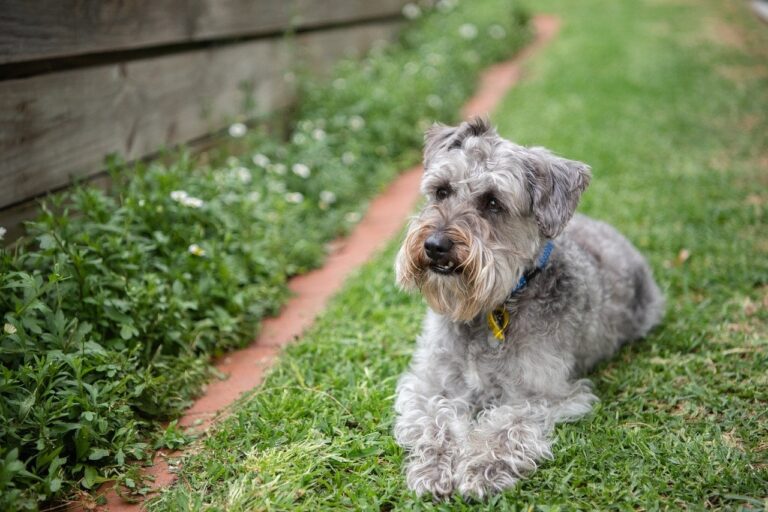
- Schnauzer (miniature, standard, giant): With their signature beards and shaggy eyebrows, schnauzers have a wiry double coat that sheds very little. They come in three distinct sizes for different living situations.
- Portuguese water dog: This medium-sized breed has webbed feet and a waterproof coat, making them excellent swimmers. Their single layer of curly or wavy hair requires regular trimming.
While no dog is 100% hypoallergenic, these breeds tend to be more tolerable for those with allergies due to their low-shedding coats and reduced dander production. However, individual reactions can still vary, so it‘s crucial to spend time with any potential new dog before bringing them home.
The Joys of Havanese Ownership
For many dog lovers with allergies, the benefits of Havanese ownership far outweigh the challenges. These charming little dogs are known for their lively, affectionate personalities and eagerness to please. They thrive on human companionship and make excellent cuddle buddies.
Jessica Martinez, a lifelong allergy sufferer and Havanese owner, gushes, "I never thought I‘d be able to have a dog, but my Havanese Lucy has changed my life. Yes, I still have to manage my allergies, but it‘s so worth it for the unconditional love and laughter she brings me every day."
At a compact 7-13 pounds, Havanese are perfectly portable and adaptable to various living situations. They excel in dog sports like agility and rally obedience but are equally content being pampered lapdogs. Their social nature and trainability also make them wonderful therapy dogs.
While Havanese do require a significant commitment in terms of grooming and exercise, many allergy sufferers find that the routine helps reduce their symptoms. Daily brushing removes loose hair and dander, while regular walks promote healthy circulation and skin turnover.
Final Thoughts
So, are Havanese dogs truly hypoallergenic? The answer is somewhat complicated. While they are often better tolerated by allergy sufferers than many other breeds, they do still produce allergens. No dog is completely non-allergenic, and individual reactions can vary.
The best approach for dog lovers with allergies is to spend time around different breeds and see how your body responds. If you determine that a Havanese or another low-shedding breed could work for you, take steps to create an allergy-friendly home environment and work with your doctor to manage any symptoms that arise.
Ultimately, only you can decide if the joys of dog ownership are worth the extra effort of allergy management. But for many devoted dog lovers, the companionship of a beloved Havanese is a precious gift that‘s impossible to quantify. With careful planning and a willingness to adapt, even the most allergic among us may find a way to welcome a furry friend into our hearts and homes.