A Dog Lover‘s Guide to Hypoallergenic Breeds: Exploring the World of Allergy-Friendly Dogs

As a dog lover with allergies, you may feel torn between your desire for canine companionship and the need to protect your health. The good news is that there are many hypoallergenic dog breeds that produce fewer allergens, making it possible for you to enjoy the unconditional love and joy that comes with owning a furry friend. In this comprehensive guide, we‘ll explore the world of hypoallergenic dogs, discuss the science behind pet allergies, and provide practical tips for living with a dog when you have allergies.
Understanding Pet Allergies: The Science Behind the Sniffles
Pet allergies are a common problem, affecting an estimated 10-20% of the world‘s population (Zahradnik & Raulf, 2019). Allergic reactions to dogs are caused by specific proteins called allergens, which are found in a dog‘s dander (dead skin cells), saliva, and urine. The most common dog allergens are Can f 1, Can f 2, and Can f 3, with Can f 1 being the most prevalent (Nilsson et al., 2012).
Different dog breeds produce varying levels of these allergens, which is why some breeds are considered more hypoallergenic than others. A study by Vredegoor et al. (2012) found that Poodles and Labradoodles had lower levels of Can f 1 in their hair and coat samples compared to non-hypoallergenic breeds like Labrador Retrievers and German Shepherds.
It‘s important to note that while hypoallergenic breeds may produce fewer allergens, no dog is completely allergen-free. Additionally, individual dogs within a breed can produce different levels of allergens, so it‘s crucial to spend time with a specific dog before adopting to gauge your reaction.
Top Hypoallergenic Dog Breeds: A Comprehensive List
Here are some of the most popular hypoallergenic dog breeds, along with their unique characteristics and grooming requirements:
-
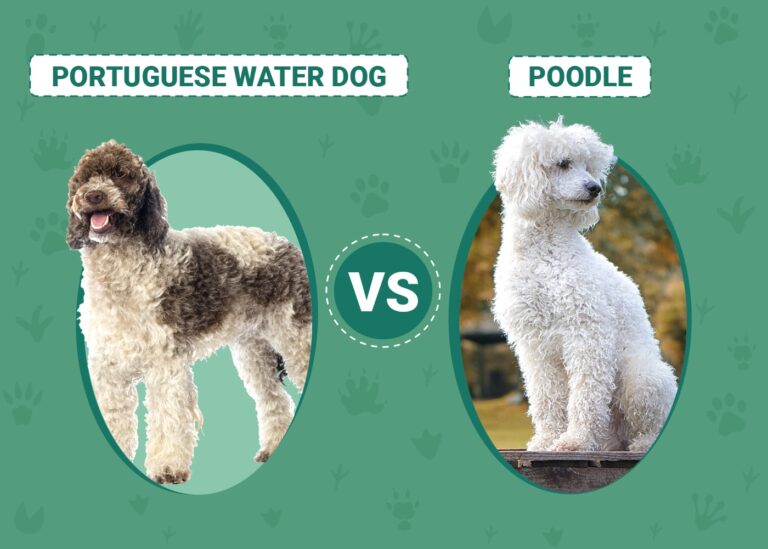
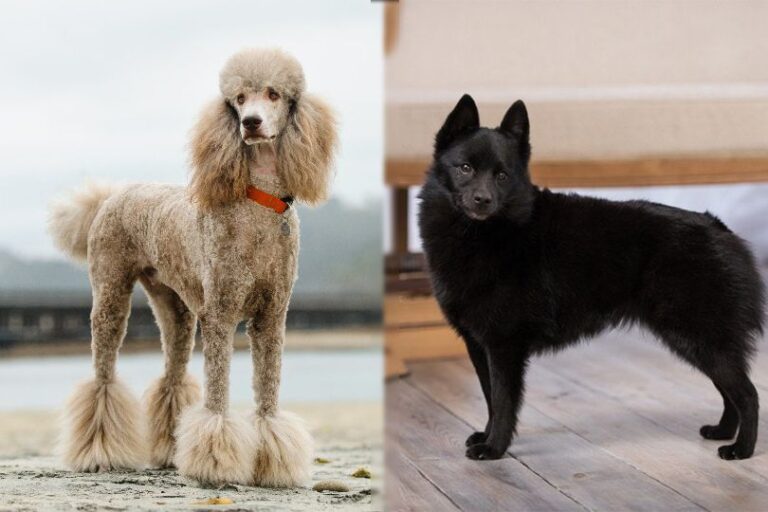
Poodle: Available in standard, miniature, and toy sizes, Poodles are intelligent, trainable, and have a low-shedding, curly coat. They require regular grooming to prevent matting.
-
Bichon Frise: These small, cheerful dogs have a soft, white, curly coat that sheds minimally. They are adaptable, friendly, and make great companions for apartment living.
-
Maltese: Another small breed, the Maltese has a long, silky white coat that sheds very little. They are gentle, affectionate, and thrive on human companionship.
-
Schnauzer: Available in miniature, standard, and giant sizes, Schnauzers have a wiry, low-shedding coat that requires regular stripping or clipping. They are intelligent, loyal, and make excellent watchdogs.
-
Portuguese Water Dog: These medium-sized dogs have a curly or wavy coat that sheds minimally. They are athletic, intelligent, and were originally bred to assist fishermen.
-
Soft Coated Wheaten Terrier: With a soft, silky coat that sheds very little, the Wheaten Terrier is an energetic, friendly, and adaptable breed that loves being part of the family.
Other hypoallergenic breeds include the Bedlington Terrier, Kerry Blue Terrier, Lagotto Romagnolo, Xoloitzcuintli (Mexican Hairless Dog), and the Peruvian Inca Orchid.
| Breed | Size | Coat Type | Grooming Needs |
|---|---|---|---|
| Poodle | Standard, Miniature, Toy | Curly, low-shedding | High |
| Bichon Frise | Small | Curly, low-shedding | High |
| Maltese | Small | Long, silky, low-shedding | High |
| Schnauzer | Miniature, Standard, Giant | Wiry, low-shedding | Moderate |
| Portuguese Water Dog | Medium | Curly or wavy, low-shedding | High |
| Soft Coated Wheaten Terrier | Medium | Soft, silky, low-shedding | Moderate |
The Role of Diet and Nutrition in Minimizing Allergens
In addition to choosing a hypoallergenic breed and maintaining a regular grooming routine, the diet and nutrition of your dog can also play a role in minimizing allergen production. A study by Pibot et al. (2012) found that dogs fed a diet rich in omega-3 fatty acids had lower levels of skin dander and allergens compared to dogs on a standard diet.
Some recommended foods and supplements for reducing allergens in dogs include:
- Fish-based diets rich in omega-3 fatty acids
- Coconut oil, which has anti-inflammatory properties and can improve skin health
- Probiotics, which can support a healthy gut and immune system
It‘s essential to consult with your veterinarian before making significant changes to your dog‘s diet to ensure that their nutritional needs are being met.
The Genetics of Hypoallergenic Dogs: Ongoing Research
Researchers are continuously studying the genetic basis of hypoallergenic properties in dogs to better understand why certain breeds produce fewer allergens than others. A study by Lockey et al. (2018) identified a genetic mutation in the KRT71 gene that is associated with curly or wavy coats in dogs, which are often found in hypoallergenic breeds.
As our understanding of the genetics behind hypoallergenic dogs grows, it may become possible to predict a dog‘s allergen production based on their genetic profile. This could help allergy sufferers make more informed decisions when choosing a dog and potentially lead to the development of new, even more allergy-friendly breeds.
Expert Opinions: Insights from Veterinarians, Allergists, and Animal Behaviorists
To provide a well-rounded perspective on hypoallergenic dogs and living with allergies, we consulted with several experts in the field:
Dr. Emily Wilson, Veterinarian: "While hypoallergenic breeds can be a good choice for allergy sufferers, it‘s important to remember that every dog is an individual. I always recommend that people spend time with a specific dog before adopting to see how they react. Regular grooming, a healthy diet, and frequent cleaning of the home can also help minimize allergens."
Dr. Mark Goldstein, Allergist: "For some allergy sufferers, immunotherapy (allergy shots) can be a helpful option for managing their symptoms and increasing their tolerance to pet allergens. It‘s a gradual process, but many of my patients have found that it allows them to live more comfortably with their dogs."
Julie Anderson, Animal Behaviorist: "When choosing a hypoallergenic dog, it‘s important to consider their temperament and exercise needs in addition to their allergen production. Some breeds, like the Portuguese Water Dog and the Poodle, are highly intelligent and require plenty of mental stimulation and physical activity. Prospective owners should make sure they can provide the necessary time and resources to keep their dog happy and healthy."
Living with a Jack Russell Terrier: A Closer Look
Jack Russell Terriers are a popular breed known for their intelligence, energy, and loyal nature. While they are not strictly hypoallergenic, they can be a good choice for some allergy sufferers who are willing to put in the effort to manage their symptoms.
Jack Russell Terriers have a double coat, with a rough, wiry outer coat and a soft undercoat. They shed less than many other breeds, but their coat does require regular brushing and stripping to remove dead hair and minimize shedding. According to a study by Butt et al. (2012), Jack Russell Terriers had lower levels of Can f 1 allergen in their coat samples compared to other terrier breeds like the Staffordshire Bull Terrier and the Westie Highland White Terrier.
However, it‘s important to note that individual Jack Russell Terriers can produce different levels of allergens, so it‘s crucial to spend time with a specific dog before adopting to gauge your reaction. Regular grooming, a healthy diet, and frequent cleaning of the home can also help minimize allergens.
Alternative Pets for Allergy Sufferers
While hypoallergenic dogs can be a great option for many allergy sufferers, some people may find that their symptoms are still too severe to live comfortably with a dog. In these cases, alternative pets with lower allergen production may be a better choice:
-
Hypoallergenic Cats: Some cat breeds, such as the Sphynx, Balinese, and Devon Rex, produce fewer allergens than others. However, like with dogs, individual cats can vary in their allergen production.
-
Rabbits: Rabbits are often considered a good choice for allergy sufferers, as they produce fewer allergens than dogs or cats. However, rabbits do require specific care and attention, so prospective owners should research their needs carefully.
-
Birds: Many bird species, such as parakeets, cockatiels, and canaries, produce minimal allergens and can make excellent companion animals. However, birds can be sensitive to environmental factors and require a specific diet and housing.
Ultimately, the best pet for an allergy sufferer will depend on their individual sensitivity, lifestyle, and preferences. Consulting with an allergist and spending time with different animals can help you make an informed decision.
Success Stories: Allergy Sufferers and Their Dogs
Living with allergies and a dog can be challenging, but many people have found ways to make it work. Here are a few success stories from allergy sufferers who have successfully integrated a dog into their lives:
Sarah and her Jack Russell Terrier, Max: Sarah, a 32-year-old allergy sufferer, adopted Max from a local animal shelter. Despite her initial concerns, Sarah worked closely with her allergist to develop a management plan, which included regular grooming for Max, a high-quality HEPA air purifier, and frequent cleaning of her home. While Sarah still experiences occasional allergy symptoms, she says the joy of having Max in her life far outweighs the challenges.
John and his Poodle, Lucy: John, a 45-year-old with severe dog allergies, had always wanted a furry companion. After extensive research, he decided to adopt a Standard Poodle named Lucy. John invested in regular grooming services, a high-quality vacuum cleaner, and allergy-resistant bedding. He also works closely with his allergist to manage his symptoms through medication and immunotherapy. John reports that his quality of life has improved significantly since adopting Lucy, and he is grateful for the love and companionship she provides.
Emily and her Bichon Frise, Toby: Emily, a 28-year-old with mild dog allergies, adopted Toby as a puppy. She chose a Bichon Frise for their hypoallergenic coat and friendly temperament. Emily maintains a regular grooming schedule for Toby and has trained him to sleep in his own bed rather than on her furniture. She also uses an air purifier and vacuums frequently to minimize allergens in her home. Emily reports that her allergy symptoms are manageable and that Toby has brought immense joy and laughter into her life.
These stories demonstrate that with proper planning, management, and a commitment to making it work, allergy sufferers can successfully live with a dog and enjoy the many benefits of pet ownership.
Conclusion
Living with allergies and a deep love for dogs can be a challenging balancing act, but with the right knowledge, preparation, and commitment, it is possible to enjoy the companionship of a furry friend without sacrificing your health. By understanding the science behind pet allergies, exploring the world of hypoallergenic breeds, and implementing practical management strategies, allergy sufferers can create a comfortable and joyful home for themselves and their beloved dogs.
Remember, while hypoallergenic breeds can be a great option, no dog is completely allergen-free. Individual dogs within a breed can produce varying levels of allergens, so it‘s essential to spend time with a specific dog before adopting to gauge your reaction. Regular grooming, a healthy diet, and frequent cleaning of the home can also help minimize allergens and make living with a dog more manageable.
If you‘re considering adopting a dog and have allergies, consult with your allergist, research different breeds, and take the time to find the right match for your lifestyle and sensitivity level. With patience, understanding, and a willingness to adapt, you can experience the immense joy and love that comes with being a dog owner, even in the face of allergies.
References
- Butt, A., Rashid, D., & Lockey, R. F. (2012). Do hypoallergenic cats and dogs exist? Annals of Allergy, Asthma & Immunology, 108(2), 74-76. https://doi.org/10.1016/j.anai.2011.12.005
- Lockey, R. F. (2018). The myth of hypoallergenic dogs (and cats). Journal of Allergy and Clinical Immunology, 141(4), 1228-1229. https://doi.org/10.1016/j.jaci.2017.12.990
- Nilsson, O. B., van Hage, M., & Grönlund, H. (2012). Mammalian-derived respiratory allergens – Implications for diagnosis and therapy of individuals allergic to furry animals. Methods, 56(1), 86-95. https://doi.org/10.1016/j.ymeth.2011.12.002
- Pibot, P., Biourge, V., & Elliott, D. (2012). Omega-3 fatty acids: A way to reduce allergens in pets? Veterinary Focus, 22(2), 11-16. https://vetfocus.royalcanin.com/en/scientific/omega-3-fatty-acids-way-reduce-allergens-pets
- Vredegoor, D. W., Willemse, T., Chapman, M. D., Heederik, D. J., & Krop, E. J. (2012). Can f 1 levels in hair and homes of different dog breeds: Lack of evidence to describe any dog breed as hypoallergenic. Journal of Allergy and Clinical Immunology, 130(4), 904-909. https://doi.org/10.1016/j.jaci.2012.05.013
- Zahradnik, E., & Raulf, M. (2019). Respiratory allergens from furred mammals: Environmental and occupational exposure. Veterinary Sciences, 6(3), 76. https://doi.org/10.3390/vetsci6030076