A Dog Lover‘s Guide to Using Antibiotic Ointment Safely and Effectively
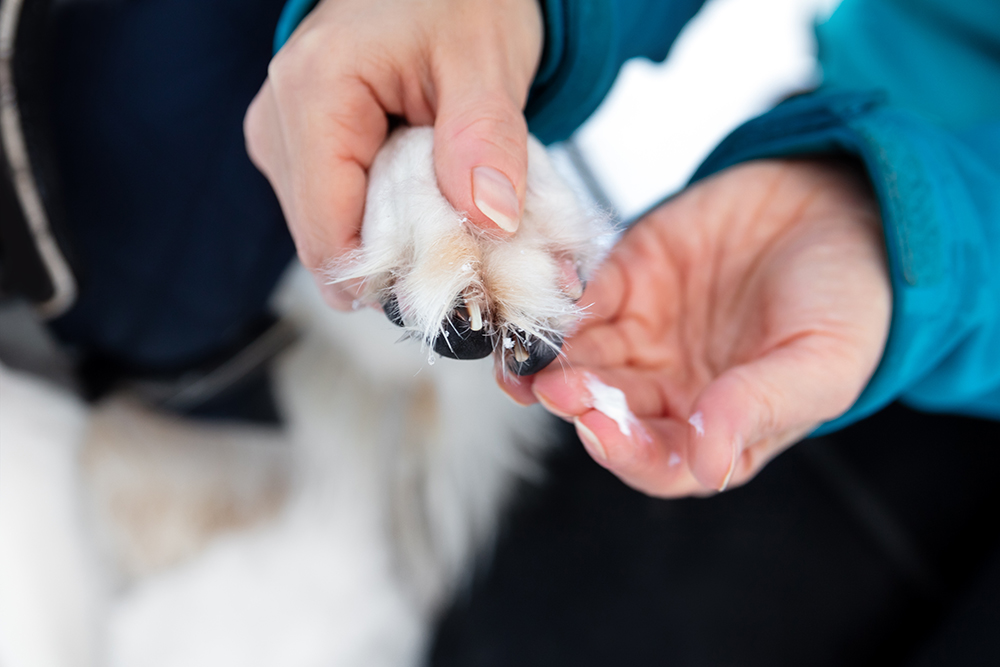
As a devoted dog parent, you want to do everything you can to keep your furry friend healthy and happy. So when you notice a minor cut, scrape, or skin irritation on your pup, it‘s natural to wonder if you can use your trusty tube of Neosporin to help them heal. But is it safe to use human antibiotic ointment on dogs? And what are the best ways to treat your dog‘s wounds at home?
In this article, we‘ll dive into the world of antibiotic ointments for dogs, exploring the dos and don‘ts of using these medications safely and effectively. As a veterinarian and lifelong dog lover, I‘m here to share my expertise and help you make informed decisions about your dog‘s care. So let‘s get started!
What Is Antibiotic Ointment and How Does It Work?
First, let‘s clarify what we mean by "antibiotic ointment." These topical medications contain antibiotics that help prevent or treat bacterial infections on the skin. They work by killing the bacteria or stopping them from growing and spreading. Some common antibiotics found in these ointments include bacitracin, neomycin, and polymyxin B.
Antibiotic ointments are often used to treat minor wounds, cuts, scrapes, and burns in humans. They can help prevent infection, reduce inflammation, and promote healing. But are they safe and effective for our canine companions? The answer isn‘t always straightforward.
Can You Use Neosporin on Dogs?
Neosporin is one of the most popular antibiotic ointments for humans, so it‘s understandable to wonder if it‘s safe for dogs too. The short answer is: it depends.
Neosporin contains three active ingredients: bacitracin, neomycin, and polymyxin B. Bacitracin and polymyxin B are generally considered safe for dogs when used topically in small amounts. However, neomycin has been linked to hearing loss and other side effects in some dogs, particularly when used intravenously or orally.
While the risk of hearing loss from topical neomycin is low, it‘s still a possibility, especially if your dog is prone to allergic reactions or has sensitive skin. Some dogs may also experience redness, itching, or other signs of irritation after using Neosporin.
So, while you can use Neosporin on your dog in a pinch for minor wounds, it‘s not the ideal choice. There are safer, dog-specific antibiotic ointments available that are formulated with your pup‘s unique needs in mind.
When to Use (and Not Use) Antibiotic Ointment on Dogs
Not all wounds and skin issues require antibiotic ointment. In fact, using these medications inappropriately can lead to antibiotic resistance, allergic reactions, and other complications.
Here are some general guidelines for when to use antibiotic ointment on your dog:
- Minor cuts, scrapes, and abrasions that are not deep or bleeding excessively
- Small burns or insect bites that are not severe or showing signs of infection
- Superficial hot spots or skin irritations that are not widespread or oozing
On the other hand, you should avoid using antibiotic ointment and seek veterinary care for:
- Deep wounds, punctures, or lacerations that may require stitches or drain
- Animal bites or wounds with excessive bleeding, discharge, or foul odor
- Burns or injuries covering a large area of the body
- Wounds or infections that are not improving after 2-3 days of home treatment
- Dogs with known allergies or sensitivities to antibiotic ingredients
When in doubt, it‘s always best to consult with your veterinarian before starting any treatment at home. They can assess the wound, recommend the most appropriate course of action, and prescribe dog-specific medications if needed.
Choosing the Right Antibiotic Ointment for Your Dog
If you and your vet decide that antibiotic ointment is appropriate for your dog‘s wound, it‘s important to choose the right product. Avoid using human medications like Neosporin, as they may contain ingredients that are unsafe or irritating for dogs.
Instead, look for antibiotic ointments specifically formulated for pets. Some popular options include:
- Vetericyn Plus All Animal Wound and Skin Care Spray
- Curaseb Chlorhexidine Spray for Dogs and Cats
- PetSilver Wound and Skin Care Spray
These products contain safe, effective ingredients like hypochlorous acid, chlorhexidine, and silver that help clean, disinfect, and promote healing. They‘re also designed with your pet‘s skin pH and sensitivity in mind, reducing the risk of irritation or allergic reactions.
If your dog has a more severe wound or infection, your veterinarian may prescribe a stronger antibiotic ointment or oral medication. These may include mupirocin, silver sulfadiazine, or cephalexin. Always follow your vet‘s instructions carefully and complete the full course of treatment, even if your dog‘s symptoms improve.
Natural Alternatives for Minor Wounds
For very minor wounds or skin irritations, you may be able to use natural alternatives to antibiotic ointment. These home remedies can help soothe inflammation, prevent infection, and promote healing without the use of medications. Some options to consider include:
- Cleaning the wound with mild soap and warm water or saline solution
- Applying a thin layer of raw, unpasteurized honey, which has natural antibacterial properties
- Using a cold compress or aloe vera gel to reduce swelling and pain
- Mixing equal parts water and apple cider vinegar to create a soothing, antiseptic rinse
- Applying a small amount of coconut oil, which has antimicrobial and moisturizing properties
Keep in mind that these natural remedies are not a substitute for veterinary care, especially for more serious wounds or infections. If your dog‘s condition worsens or doesn‘t improve within a day or two, it‘s time to visit the vet.
When to See the Vet
While it‘s tempting to try to treat your dog‘s wounds at home, there are times when professional care is necessary. Don‘t hesitate to contact your veterinarian if you notice any of the following:
- Wounds that are deep, wide, or bleeding heavily
- Signs of infection, such as swelling, redness, discharge, or odor
- Wounds near the eyes, mouth, or other sensitive areas
- Wounds caused by animal bites or unknown objects
- Lethargy, loss of appetite, or other changes in your dog‘s behavior or health
Your veterinarian can properly clean and assess the wound, prescribe appropriate medications, and monitor your dog‘s healing progress. They may also recommend additional diagnostic tests or treatments, such as x-rays or surgery, depending on the severity of the injury.
Conclusion
As a responsible dog owner, it‘s important to know when and how to use antibiotic ointment safely and effectively. While human medications like Neosporin may be tempting, they‘re not always the best choice for our furry friends. Instead, opt for dog-specific products, natural remedies, or professional veterinary care depending on the situation.
Remember, your dog‘s health and well-being are always the top priority. By staying informed, prepared, and proactive, you can help your canine companion heal quickly and get back to living their best life by your side. If you have any doubts or concerns, don‘t hesitate to reach out to your veterinarian for guidance and support. Together, we can keep our dogs happy, healthy, and thriving for years to come!