Do Corgis Like Cold Weather and Snow? An In-Depth Guide
Introduction
For corgi lovers, it‘s impossible not to smile watching these spirited, short-statured herding dogs dart through the snow, their adorably fluffy rumps disappearing into a spray of powder. With their thick double coats, muscular bodies, and can-do attitudes, Pembroke Welsh Corgis may seem built for cold weather romping. But how well do these beloved pups really tolerate frigid conditions? As a veterinarian and lifelong corgi owner, I‘ll dive deep into the science, data, and practical considerations of corgis, cold temperatures, and snow. By the end, you‘ll have expert insight into setting safe boundaries so you and your corgi can confidently enjoy the winter wonderland.
The Mighty Corgi Coat
Central to a corgi‘s ability to brave cold conditions is their distinctive double coat. A legacy of their origins as herding dogs in the unforgiving Welsh countryside, the corgi coat is a marvel of natural insulation. The outer coat, or "guard hairs," consists of stiffer, longer fur that grows to about 2-3 inches. Covering the entire body except the head and legs, this outer layer acts as a barrier against moisture, wind, and debris.
Beneath the outer coat lies a soft, dense undercoat that can be 1-2 inches thick. This downy layer traps a pocket of warm air next to the skin, much like goose down in a winter parka. Together, the outer and undercoat provide such effective insulation that it takes a while for a corgi to start feeling the effects of cold after heading outdoors.
The corgi double coat is so crucial for temperature regulation that shedding actually ramps up in colder months. Incredibly, corgis "blow coat" not just in the spring, but also in late fall as hormonal changes triggered by shorter days prompt the growth of an extra thick winter jacket. While finding corgi fluff on every surface is the bane of every owner, it‘s hard not to marvel at this amazing adaptation passed down from their harder-working ancestors.
The exact thickness and density of the corgi coat does vary from dog to dog. The American Kennel Club breed standard describes a "medium length, dense, weather resistant, double coat" for corgis, but research has shown fur depth and density is strongly influenced by genetics, spay/neuter status, and individual health. A 2012 study published in the Journal of Small Animal Practice found that across 270 corgis, coat density ranged from 1,400 to 3,800 hairs per square centimeter, and undercoat length varied from 0.8 to 3.1 inches. While impressive, this variability means some corgis are better suited for cold than others.
Temperature Boundaries for Corgis
So what is a corgi‘s temperature sweet spot? Most veterinarians and animal science experts agree that corgis can handle temperatures down to 45°F with ease as long as they‘re healthy adults with thick coats. In fact, the famous Antarctic explorer Ernest Shackleton took a corgi along on his ill-fated expedition to the South Pole, a testament to the breed‘s legendary cold weather chops.
However, once the mercury dips into the 30s and low 40s, caution is warranted. Frostbite becomes a real risk, particularly on the ears, tail tip, paws, and scrotum if exposed. Blood vessels constrict in these extremities to conserve core body heat, reducing circulation and increasing vulnerability. According to a 2015 study by the Journal of Veterinary Emergency and Critical Care, the paws are the most common site of frostbite in dogs, present in 56% of 94 reported canine frostbite cases.
The real cold danger zone for corgis is temperatures below 20°F. With their short stature and legs, corgis are particularly susceptible to losing body heat due to increased surface area contacting frigid ground. Ice, snow, and rock salt collect quickly on the undercarriage, leading to skin irritation, paw cracks, and a very chilly dog. Wet, icy fur can‘t insulate properly, allowing hypothermia to set in rapidly.
Dr. Ernie Ward, a renowned veterinarian, author, and corgi parent, advises no more than 5-10 minutes outdoors for potty breaks once temperatures hit single digits. He stresses, "A corgi can go from uncomfortably cold to life-threateningly hypothermic in a matter of minutes in subzero conditions. There‘s no safe duration for a dog that small in those extremes."
Recognizing Cold Distress
Attentive corgi owners learn to recognize the subtle (and not-so-subtle) signs that playtime needs to end:
- Shivering or full-body trembling
- Whining, barking, or howling
- Seeking shelter or hiding
- Picking up or favoring a paw
- Lethargy or weakness
- Pale or blue-tinged mucous membranes
- Ice accumulation on the fur
While an occasional shiver is okay, consistent shaking means your dog‘s body is struggling to stay warm. Hiding under a bush or car signals a search for refuge from biting winds. If you notice your corgi start limping or obsessively licking at their paws, that‘s a red flag that ice, snow, or deicers have taken their toll on those sensitive tootsies.
Dangerously low body temperature, or hypothermia, usually sets in gradually in stages:
- Mild (99-95°F): Intense shivering and discomfort
- Moderate (94-90°F): Stiff movements, stumbling, mental dullness
- Severe (below 90°F): Labored breathing, collapse, unconsciousness
Mild hypothermia can be reversed by immediately bringing your dog indoors, drying them off, and warming with blankets, heating pads, and even your own body heat. More severe cases require emergency veterinary treatment and active rewarming with IV fluids, oxygen, and intensive monitoring. A scary 2017 case report in Clinician‘s Brief describes a morbidly hypothermic corgi rescued with a core temperature of just 77°F after being buried in an avalanche – he miraculously survived with aggressive care.
Snow Zoomies and Safety
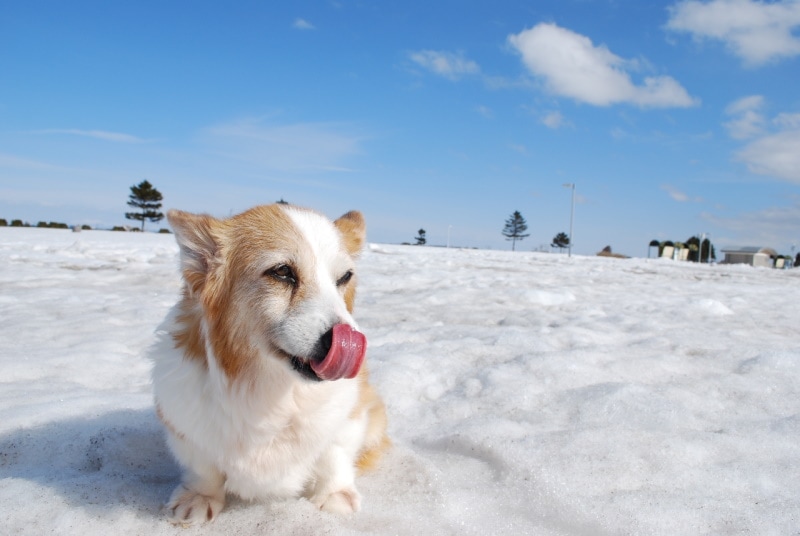
For many fun-loving corgis, the first snowfall of the season is pure magic. Watching them race around in circles, bury their faces in drifts, and kick up plumes of powder is a joy like no other. With their boundless enthusiasm for new experiences, athletic bodies, and weatherproof coats, corgis often take to snow like oversized, barking snowballs.
But as a loving corgi owner, you know your dog‘s personal limits and quirks. Some corgis would happily stay out in a blizzard until they became actual corgi-sicles. Others start holding up a paw and dashing for the door at the first sign of a flurry. Respect your individual dog‘s comfort level and use common sense – if it‘s miserably cold for you, it‘s too cold for your dog.
To help your snow-loving corgi safely maximize the winter fun:
- Keep snow romps under 30 minutes when temps are above freezing, shortening to just a few minutes in single digits
- Avoid ice patches and deep drifts that could lead to slips, falls, or getting stuck
- Consider a warming dog coat and waterproof booties for longer adventures
- Regularly check paws and legs for snow accumulation, cracks, or abrasions
- Provide an insulated, dry outdoor shelter so your pup can warm up
- Use pet-safe deicers and wipe down feet, legs, and belly after walks
- Keep your dog on a leash in deep or crusty snow to avoid losing them in a drift
- Never let your corgi eat snow that may be contaminated with antifreeze, deicers, or other toxins
Corgis with a thick, healthy coat can romp in the snow with gusto as long as they‘re being monitored and not pushed past their limits. There‘s nothing quite like seeing your pup‘s goofy grin as they make corgi-shaped snow angels. But be keenly aware that even the hardiest corgis can become uncomfortably and dangerously cold quickly. Trust your instincts and when in doubt, cut outdoor time short for your dog‘s safety.
A Corgi‘s Winter Wellness
With their athletic builds and working group roots, corgis need plenty of exercise and enrichment to thrive – yes, even when the weather outside is frightful. Luckily, these brilliant pups take well to indoor activities that challenge them physically and mentally. Some of my corgi Ziggy‘s winter favorites are puzzle feeders, hide-and-seek, and living room agility courses. A quick game of hallway fetch with a soft toy lets him burn off steam when it‘s too nasty to walk outside.
Corgis actually require more calories in the winter to fuel their internal furnaces, so puzzle feeders and long-lasting chews help them load up. I also bump up Ziggy‘s serving size by about 10% and choose nutrient-dense foods to keep him at a healthy winter weight. Because cold temperatures, wind, and indoor heating are incredibly drying, I make sure my little guy always has access to fresh, clean water. Keeping him well-hydrated prevents his skin from getting flaky and itchy.
To ensure your corgi‘s coat stays in tip-top shape for maximum insulation, bristle brush daily to remove any tangles, mats, and debris. I also trim the fur around Ziggy‘s paws and bum to minimize uncomfortable snow and ice balls. Petroleum jelly, paw balm, or dog booties can protect those sensitive feet from salt and chemical irritants on winter walks. Post-walk, I do a thorough rubdown and inspection to melt any icy buildup and check for any abrasions or cracks that need first aid.
If your corgi is a puppy, senior, or has a health condition like arthritis, they may need extra TLC in the colder months. Chat with your vet about your dog‘s specific cold weather concerns and make a plan to keep them safe. A waterproof dog jacket, self-warming bed, and joint supplements can help a creaky, older corgi feel their best as the temperature drops.
Conclusion
From their origins as hard-working herders in the rugged Welsh mountains to their current status as world-class canine cuddlers, corgis are a delightfully adaptable, resilient breed. Built low to the ground and gifted with a fantastically fluffy coat, corgis have the right stuff to handle some seriously chilly conditions. But even these sturdy pups have their limits when Jack Frost comes nipping.
As a responsible corgi owner, you‘re your dog‘s best advocate for winter weather safety. By being attentive, setting reasonable boundaries, and knowing your pup‘s unique needs, you can ensure your corgi stays happy and healthy all season long. And if your corgi decides they‘d rather spend a snow day snuggled up on the couch? That‘s just more quality time to perfect your Netflix binge and snuggle skills. After all, a little hibernation is good for the soul – both canine and human.