
Poo-ton (Poodle & Coton de Tulear Mix) Dog Breed: Info, Pictures, Care & More!
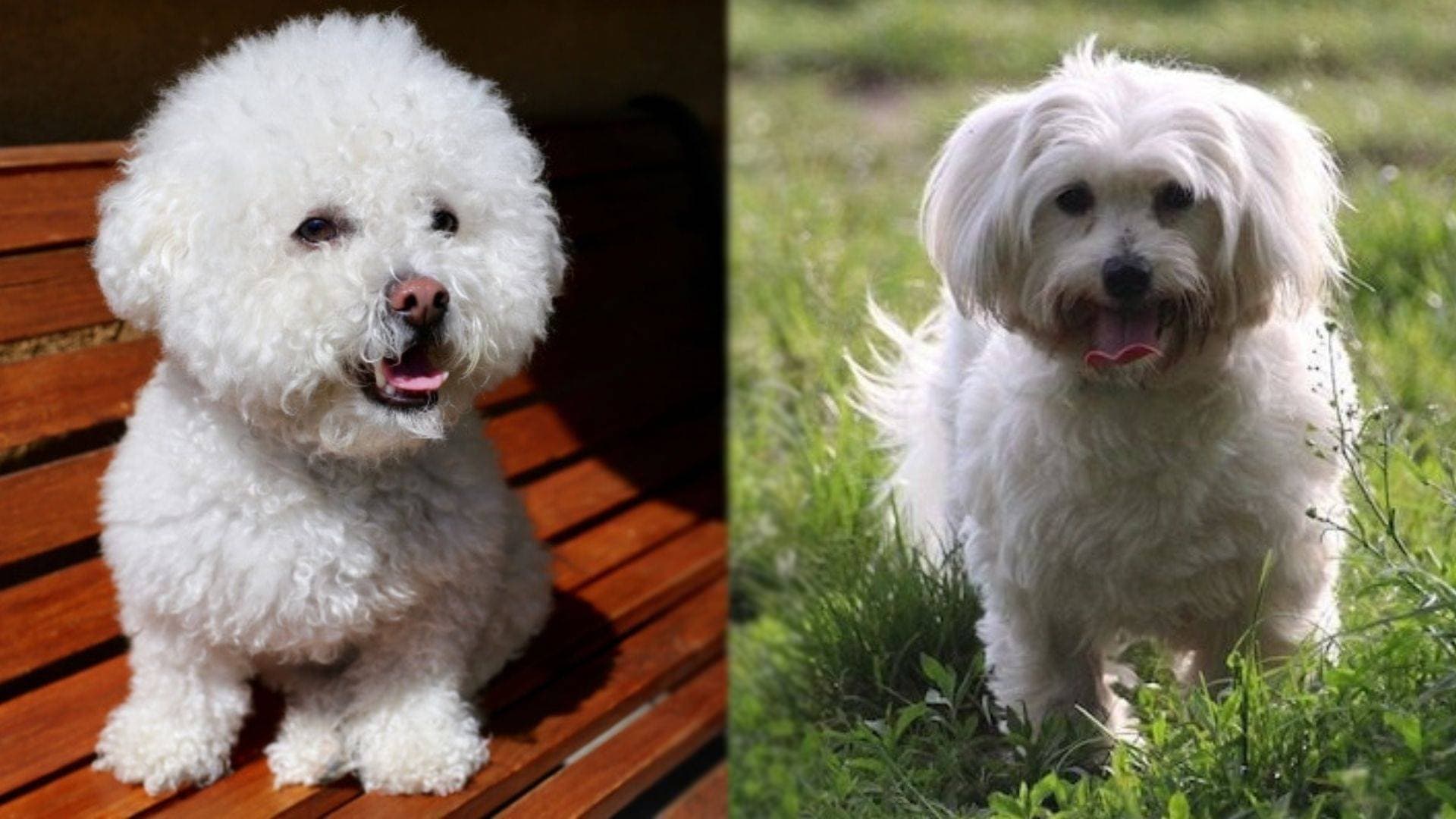
The Adorable Poo-ton: Your Guide to the Poodle Coton de Tulear Mix
Are you looking for a small, smart, hypoallergenic dog to add to your family? Meet the Poo-ton! This delightful designer breed crosses a Miniature Poodle with a Coton de Tulear. The result is an affectionate, clever companion dog that‘s become increasingly popular in recent years.
In this comprehensive guide, we‘ll tell you everything you need to know about the Poo-ton dog breed. From their history and physical characteristics to their personality, care requirements, and health concerns, get the facts to decide if this could be the perfect pooch for you.
Breed History
The Poo-ton is a relatively new mixed breed, believed to have originated in the United States in the early 2000s. Breeders aimed to create a small hypoallergenic dog by crossing two low-shedding breeds, the Poodle and Coton de Tulear.
Poodles rank as the second most intelligent dog breed. They come in three sizes – Standard, Miniature, and Toy. For the Poo-ton, Miniature Poodles are used to achieve the desired compact size. Poodles are highly trainable and excel in obedience, agility and other canine sports.
The Coton de Tulear hails from the island of Madagascar. This breed gets its name from its soft, cotton-like white coat. Cotons are playful, happy dogs known for their clownish personalities. They love human companionship and form close bonds with their families.
By combining Poodles and Cotons, breeders aimed to create an intelligent, low-shedding, loving lapdog well-suited for allergy sufferers and apartment dwellers. While Poo-tons are not recognized by the American Kennel Club, they can be registered with the Designer Breed Registry.
Physical Characteristics
Poo-tons are small dogs, typically weighing 8-15 pounds and standing 9-12 inches tall at the shoulder. They have a sturdy yet elegant build with a rounded head, dark expressive eyes, and a black or brown nose.
A Poo-ton‘s coat is usually soft and fluffy with gentle waves or loose curls. While they can inherit coat characteristics from either parent breed, their hair is typically longer and less tightly curled than a Poodle‘s. The most common coat colors are white, cream, apricot, red, black, brown, gray, or a mix of these shades.
Poo-ton coats are low-shedding and often tolerated well by people with allergies. However, no dog is 100% hypoallergenic. Regular brushing and trimming is necessary to prevent matting and keep the coat looking its best. Many owners clip their Poo-tons into a short "puppy cut" for easier maintenance.
Personality & Temperament
Poo-tons are known for their intelligent, affectionate nature. They bond closely with their families and thrive on human interaction. This breed is happiest when they‘re with their favorite people, whether snuggling on the couch or going on adventures.
As a small dog, the Poo-ton can adapt well to apartment living as long as they get daily walks and playtime. They have moderate exercise needs and enjoy activities like fetch, hiding toys, and learning new tricks. Mental stimulation is important to keep their bright minds engaged.
Poo-tons tend to get along well with older children, other dogs, and even cats when socialized from a young age. Due to their small size, they may not be the best fit for families with very young kids who could accidentally injure them during rough play. With proper introductions and supervision, they typically enjoy the company of other pets.
While generally friendly, Poo-tons can be reserved with strangers. Early socialization is key to help them develop into confident, well-adjusted dogs. Some Poo-tons may alert bark to alert you of visitors, but they‘re usually too people-oriented to be effective guard dogs.
Like many companion breeds, Poo-tons can develop separation anxiety if left alone too long or too often. They do best with a family where someone is home during the day or able to bring them along to work or outings. If alone time is necessary, crate training, interactive toys, and puzzle feeders can help your Poo-ton feel secure and ward off boredom.
Training
The Poo-ton‘s eagerness to please and quick mind make them highly trainable. They excel at learning tricks, navigating obstacle courses, and even more complex skills like scent work. Reward-based methods using praise, play, and treats are most effective for this sensitive breed.
While intelligent, Poo-tons can sometimes have a stubborn streak. Keeping training sessions short, fun, and positive is the best way to engage them. Harsh corrections can cause them to shut down. Consistent, patient training with clear expectations yields the best results.
Like all dogs, Poo-tons need early socialization to become well-rounded pups. Expose your Poo-ton to different people, pets, places, sights, and sounds during the critical socialization window between 8-16 weeks old. Puppy classes are a great way for them to learn manners and gain confidence.
Poo-tons can be prone to jumping up in excitement and nipping in play. Teaching an "off" cue and redirecting nibbling to toys can help curb these habits. Housetraining may take time and consistency. Keep your pup on a frequent potty schedule and praise them for going in the right spot.
With their intelligence and desire to please, many Poo-tons enjoy and excel in canine sports. Agility, rally, obedience, and trick training can be great ways to bond with your dog while keeping them mentally and physically stimulated.
Grooming
The Poo-ton‘s low-shedding coat requires regular care to stay tangle-free and looking its best. Brush your dog at least 2-3 times per week, using a slicker brush or metal comb to gently work through any mats or tangles. Spritzing the coat lightly with conditioning spray can help prevent breakage during brushing.
Poo-ton coats grow continuously and need to be trimmed every 1-2 months. You can learn to use clippers at home or take your pup to a professional groomer. Many owners opt for a "puppy cut" which keeps the coat short all over for easier maintenance.
Baths every 3-4 weeks with a mild, moisturizing shampoo keeps your Poo-ton‘s coat clean and healthy. Regular dental care, nail trims, and ear cleaning are also important. You can brush your dog‘s teeth at home or provide dental chews and toys for good oral hygiene.
Health
The Poo-ton is typically a hardy breed with a lifespan of 12-16 years. However, like all dogs, they can be prone to certain genetic health issues. Responsible breeders screen their stock for problems that can affect Poodles, Coton de Tulears, and their mixes. These include:
- Patellar luxation: a dislocated kneecap
- Hip dysplasia: malformed hip joints
- Progressive retinal atrophy (PRA): gradual blindness
- Hypothyroidism: low thyroid hormone
- Von Willebrand‘s disease: a blood clotting disorder
- Mitral valve disease: a heart condition
When choosing a Poo-ton puppy, work with a reputable breeder committed to health testing their dogs. Ask to see the results of genetic tests, hip and patella evaluations, and eye exams on your puppy‘s parents.
Providing your Poo-ton with high-quality food, daily exercise, and regular vet check-ups can help them stay healthy. Supporting their joints with ramps or stairs, keeping them at a lean weight, and using a harness instead of a collar can reduce stress on their neck and back. Keeping up with vaccines, parasite prevention, and dental cleanings is also key.
Is a Poo-ton Right For You?
The Poo-ton can be a wonderful companion for the right owner. Their affectionate nature, portability, and low-shedding coat make them appealing to many dog lovers, including first-time owners, apartment dwellers, and allergy sufferers.
However, the Poo-ton breed isn‘t for everyone. They require significant time, money, and attention to thrive. Daily walks, regular grooming, training, and veterinary care are must-haves. As a companion breed, they do best with a family that can include them in most activities rather than leaving them alone frequently.
If you‘re able to meet the Poo-ton‘s needs, you‘ll be rewarded with an intelligent, loyal, loving little dog. Their happy nature, cute looks, and desire to be with you is sure to bring a smile to your face.
In summary, the Poo-ton is a delightful cross between a Miniature Poodle and a Coton de Tulear. By combining some of the best traits of both breeds, this hybrid aims to create the ultimate companion dog. While no mixed breed comes with guarantees, a well-bred, well-raised Poo-ton can be a healthy, even-tempered, low-shedding pet.
With the facts covered in this guide, you‘re well-equipped to decide if a Poo-ton could be your ideal canine match. Remember, choosing a dog is a big decision you‘ll live with for many years. Take your time, do your research, and be honest about the kind of pet that fits your lifestyle and family. Here‘s to finding your perfect pooch – Poo-ton or otherwise!




%20Dog%20Breed:%20Info,%20Pictures,%20Care%20&%20More!)