
Adorably Curly and Lush-Eared: A Dog Lover‘s Guide to Breeds with Long, Curly Ears
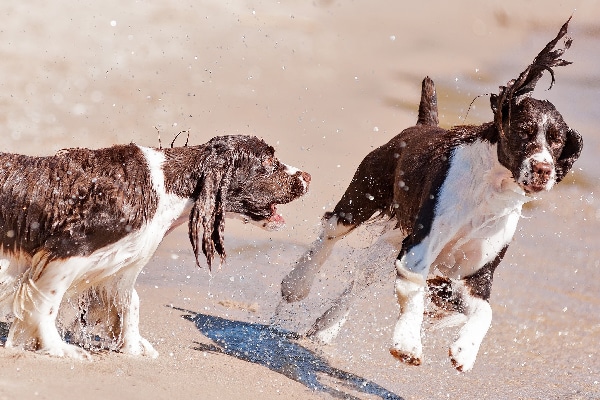
As a lifelong dog lover and enthusiast, I‘ve always been captivated by the charming and unique appearance of breeds with long, curly ears. There‘s something so endearing about those soft, luxurious ears bouncing with every step and framing the sweet, soulful expressions. If you‘re like me and can‘t resist the adorable allure of a curly-eared canine, read on to learn more about some of the most distinctive and lovable breeds boasting this irresistible combination.
The Curly-Eared Spaniel Squad
When it comes to breeds with long, curly ears, the spaniels reign supreme. These lively, affectionate hunting companions have stolen hearts for centuries with their lush coats and charming personalities. Let‘s meet a few of the most popular curly-eared spaniel breeds:
Cocker Spaniel
The merry Cocker Spaniel is perhaps the most well-known of the curly-eared crew. Compact and athletic, Cockers enchant with their silky, wavy coats and long, lush ears that nearly brush the tip of their nose. According to the American Kennel Club breed standard, a Cocker‘s ears should be "lobular, long, of fine leather, well-feathered, and set low on the head."
Originally bred to flush woodcock and other game birds in England, Cocker Spaniels have transitioned into beloved family companions known for their cheerful, loving nature. They are highly trainable and eager to please, though their sensitivity means they thrive with positive reinforcement. Cockers need moderate exercise and do well with active families.
The Cocker‘s crowning glory is their gorgeous coat, which comes in a variety of colors including black, liver, red, golden, and parti-color. To keep those trademark ears lush and healthy, Cockers need regular grooming including ear checks, brushing every few days, and clipping every 1-2 months. Many owners opt for a shorter "puppy cut" for easier maintenance.
As of 2023, Cocker Spaniels ranked 31st out of 200 breeds in popularity according to AKC registration statistics. These merry little charmers continue to win hearts with their sweet expressions and happy-go-lucky attitudes.
Irish Water Spaniel
The tallest of the spaniels at 21-24 inches and 45-65 pounds, the Irish Water Spaniel is a curly-coated beauty bred for water retrieving in their native Ireland. The breed‘s signature look includes a liver-colored double coat of tight, waterproof curls, a tapered "rat tail", and a distinctive topknot of long, loose curls on the head. Of course, we can‘t forget those long, skinny ears hanging down alongside the smooth face, giving an alert and intelligent expression.
Irish Water Spaniels are known for being energetic, hardworking, and brave. Bred to be the ideal duck hunting companion, they are strong swimmers with boundless endurance and a zest for chasing down birds in the chilliest of waters. As Rebecca Kizner, an IWS breeder and enthusiast puts it, "They‘ll break through ice to retrieve ducks. They have unbelievable drive and heart."
That tireless energy means Irish Water Spaniels need plenty of daily exercise and opportunities to swim. They can be independent thinkers with a mind of their own, so patient, consistent training is a must. Luckily, they are also whip-smart and responsive, picking up new commands with ease.
At home, Irish Water Spaniels are deeply devoted and affectionate with their families. They tend to be reserved with strangers but are generally friendly once introduced. Their playful, clownish antics are sure to keep you laughing, and they‘re always up for a game of fetch or tug-of-war.
The Irish Water Spaniel‘s curls are relatively low-shedding but require brushing a few times per week, especially behind the ears where mats can form. The topknot and ears may need occasional trimming. And of course, regular ear checks and cleaning are a must to prevent infections in those long ear canals.
Irish Water Spaniels are a rare breed, ranking 164th out of 200 AKC breeds. As of 2021, only 94 IWS were registered compared to over 30,000 Cocker Spaniels and nearly 55,000 Labrador Retrievers. Their relative obscurity only adds to their mystique and makes them highly prized by those seeking a unique, competent canine companion.
American Water Spaniel
The American Water Spaniel is a medium-sized (25-45 pounds) cousin of the Irish Water Spaniel recognized as a distinct breed in 1940 by the United Kennel Club. Developed in the Great Lakes region of the US as an all-around hunting dog, the AWS is known for their prowess in the water and ability to retrieve ducks in rough, icy conditions.
The American Water Spaniel shares the curly liver or chocolate coat and long, floppy ears of their Irish relatives. However, they have a more uniform coat without the distinct topknot or rat tail. The ears are set slightly above eye level and hang close to the head, framing the friendly, intelligent face.
These energetic, biddable hunting companions are rising stars in the spaniel world. Still fairly rare (ranking 148th with the AKC), they are prized by hunters and active families alike for their versatility, trainability, and deeply devoted nature. As the AKC describes them, "The AWS is an eager and energetic companion who enjoys swimming, hiking, and other outdoor activities. His affectionate, happy disposition makes him a beloved family pet."
Grooming an American Water Spaniel is relatively straightforward. Their curly coat is naturally water-resistant and only needs brushing once or twice a week. Special attention should be paid to the ears to remove any debris or moisture hiding in the curls. Many AWS owners have their dog‘s ears trimmed or "sculpted" slightly shorter to improve air circulation.
The Regal Curly Retriever
When we think retrievers, the classic Lab or Golden with their straight coats likely come to mind. But did you know there‘s a striking curly-coated retriever breed with long, lush ears? Meet the aptly named Curly Coated Retriever!
Curly Coated Retriever
Developed in England as early as 1860, the Curly Coated Retriever is a large (65-100 pounds), elegant breed with a distinctive tight, crisp coat and long, drooping ears. The coat‘s small, dense curls cover the body, tail, and legs, giving them a regal, almost poodle-like appearance. On the ears and head, the curls are looser, highlighting the velvety ears that hang down to nearly the corner of the mouth.
The "Curly" comes in two stunning colors: solid black and solid liver. The black coat glistens with a slight blue sheen in the sunlight, while the liver ranges from a rich reddish-brown to a lighter chocolate shade. Aside from possible white hairs on the chest, the breed standard calls for a solid colored coat.
Curly Coated Retrievers were bred for retrieving game from land or water. They are powerful, tireless swimmers with a strong work ethic and keen intelligence. While affectionate with their families, Curlies can be a bit aloof and less needy than other retrievers, prizing their independence. Early training and socialization is important to prevent any shyness or aloofness from becoming problematic.
As sporting dogs, Curly Coated Retrievers need plenty of exercise to stay physically and mentally fit. Long walks, jogs, hikes, swims, and regular retrieval sessions are a must for this high-energy athlete. They also excel at various dog sports like obedience, agility, and tracking.
The Curly‘s signature coat is actually quite low-maintenance, requiring only weekly brushing and occasional baths. The coat is naturally water-resistant and sheds minimally. However, it‘s important to pay special attention to the ears, keeping them clean and dry to prevent infections from flourishing in the long, droopy canal.
While still relatively rare (ranking 159th out of 200 AKC breeds), Curly Coated Retrievers have a devoted following among those seeking a striking, capable companion for hunting and active adventures.
The Rest of the Long, Curly-Eared Pack
In addition to the beloved spaniels and retrievers, there are a few other breeds boasting those distinctively long, curled ears:
Barbet
The Barbet is a medium-large French water dog with a long, dense coat of tight curls and long, low-set ears covered in wavy hair. Their trademark "beard" of long hair on the chin completes their shaggy, teddy bear-like look. Barbets are joyful, bright companions built for swimming and retrieving. They need regular brushing and ear care.
Boykin Spaniel
Sometimes called the "little brown dog", the Boykin Spaniel is a energetic, compact spaniel developed in South Carolina for hunting wild turkeys and ducks. They have a wavy liver or chocolate brown coat, soulful round eyes, and long, feathery ears. Boykins are rising in popularity as affectionate, trainable family pets.
Lagotto Romagnolo
The Lagotto Romagnolo is an ancient Italian breed known for truffle hunting. Sturdy and medium-sized, the Lagotto‘s thick, curly coat comes in shades of brown, wheaten, or off-white. Their long ears are set high and hang down to frame the soft, wise expression. Lagottos are affectionate, undemanding companions that form close bonds with their families.
The Science Behind Those Luscious Lobes
Have you ever wondered why some dog breeds have such extravagantly long, curly ears? It turns out there are some fascinating evolutionary reasons!
According to Dr. Stanley Coren, a professor of psychology and expert on dog behavior, the long ears of spaniels and retrievers likely evolved as a functional adaptation for hunting. The long ear flaps help to trap and funnel scent particles up to the dog‘s nose, enhancing their ability to track birds and game.
Additionally, the long ears may help to protect the ear canal from water, debris, and irritants while the dog is swimming and retrieving. The curls and feathering on the ears can wick away moisture and keep the inner ear dry.
From a genetic perspective, long ears are a recessive trait that was selectively bred for by humans seeking to enhance certain breeds‘ hunting prowess. Over time, the lush, curly ears we adore became a breed signature and hallmark of the spaniels and retrievers we know today.
Caring for Those Curly Ears
As adorable as they are, those long, curly ears do require some special care and attention to keep them healthy and looking their best. Here are some expert tips for caring for your curly-eared canine:
-
Check the ears at least once per week for any signs of redness, irritation, discharge, or odor. These can be early indicators of an ear infection brewing.
-
Clean the ears regularly with a veterinarian-approved ear cleaner. Dr. Jerry Klein, Chief Veterinary Officer for the AKC, recommends using a cotton ball dampened with cleaner to gently wipe out the ear canal, being careful not to push too deep.
-
After swimming or bathing, be sure to dry your dog‘s ears thoroughly. Dr. Marty Becker, DVM, suggests using a dry washcloth or cotton balls to absorb any moisture trapped in the curls.
-
Consider having your dog‘s ear hair trimmed or plucked by a professional groomer. This allows more air to circulate in the ear canal and can prevent matting or moisture buildup. Your vet or groomer can show you how to safely trim at home between appointments.
-
Feed a high-quality, balanced diet to promote optimal skin and coat health. Certain nutrients like omega-3 fatty acids can help keep the ears supple and less prone to inflammation.
By the numbers, nearly 20% of dogs will experience an ear infection at some point in their lives. However, long-eared breeds are even more prone, with some studies suggesting up to 50% of spaniels will have at least one ear infection.
With proactive at-home ear care and regular vet check-ups, you can keep your curly-eared companion‘s lush listening devices healthy for years to come.
The Bottom Line
Dogs with long, curly ears are some of the most endearing and distinctive breeds around. From the effervescent Cocker Spaniel to the magnificent Irish Water Spaniel to the easygoing Lagotto Romagnolo, these curly-coated charmers win hearts with their lush looks and loving personalities.
While those luxurious ears may need some extra TLC in the grooming department, the unconditional love and joy these breeds bring to their families is truly priceless. As a lifelong dog lover, I can‘t imagine anything sweeter than burying my face in those impossibly soft, shaggy curls and meeting the adoringly devoted gaze of a curly-eared companion.
So here‘s to the curly-eared crew, with their lush locks, soulful expressions, and hearts of gold. May they continue to grace our lives with their unique beauty and unending love for generations of lucky dog lovers to come!


