Akita vs Pit Bull: A Dog Lover‘s Comparison
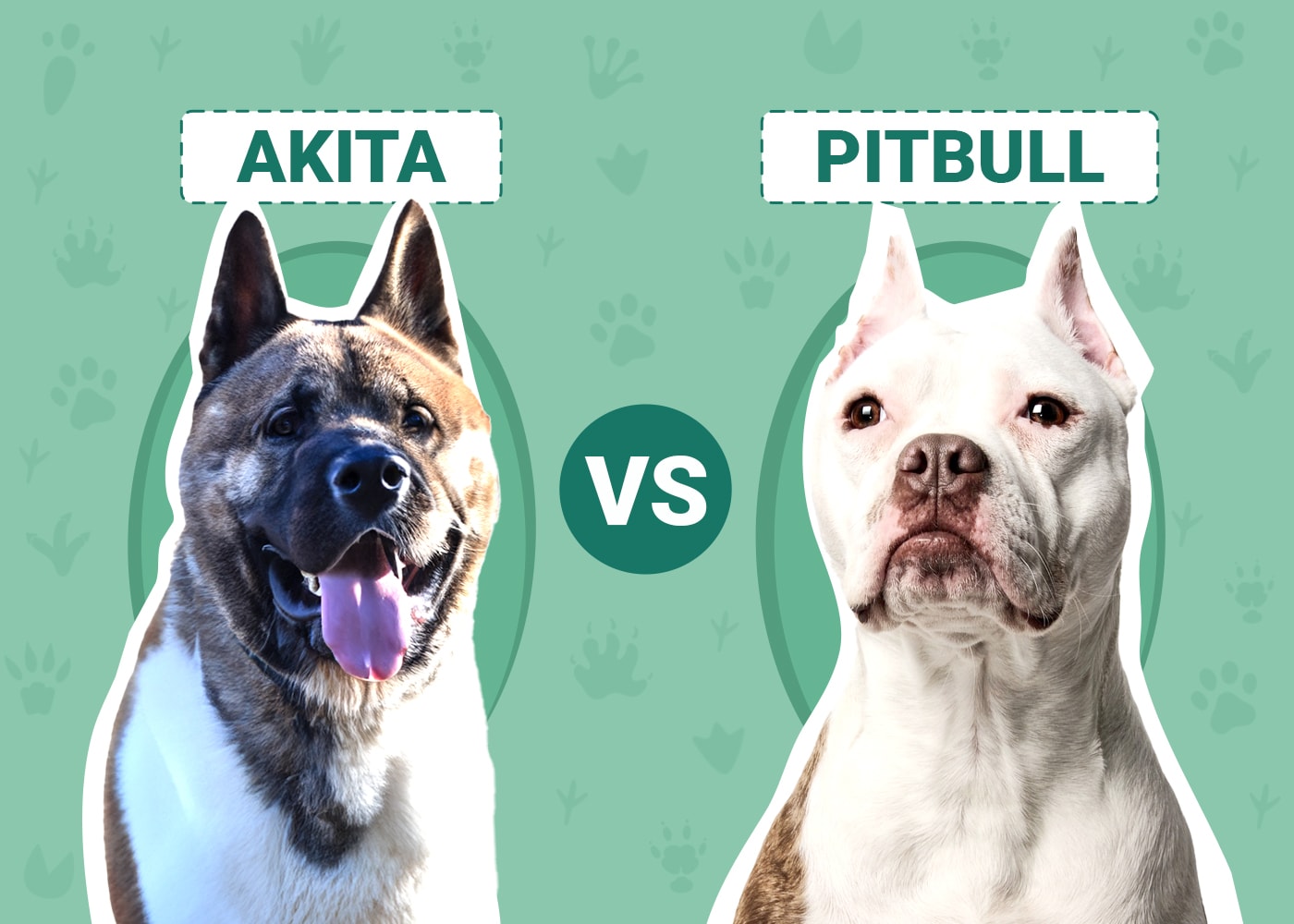
As a lifelong dog lover and experienced veterinarian, I‘ve had the privilege of working closely with countless breeds over the years. Two that never fail to impress me with their strength, loyalty and heart are the Akita and the American Pit Bull Terrier. While these noble breeds may seem worlds apart at first glance, they actually have more in common than meets the eye.
If you‘re considering welcoming an Akita or Pit Bull into your life, it‘s important to understand the key similarities and differences between these powerful yet often misunderstood dogs. Let‘s take a closer look at the history, characteristics and care requirements of Akitas and Pit Bulls to help you determine which breed might be the best fit for your family.
A Tale of Two Breeds: Akita and Pit Bull History
The Akita: Japan‘s National Treasure
The Akita‘s story begins in the rugged, snow-capped mountains of northern Japan, where these impressive dogs served as hunters, guardians and companions to the samurai class. In 1931, the Akita was declared a Japanese national monument and carefully bred to preserve their strength, loyalty and dignified spirit.
Perhaps the most famous Akita of all time was Hachiko, an incredibly devoted dog who captured the hearts of a nation. Born in 1923, Hachiko would greet his owner every day at the Shibuya train station after work. Even after his owner‘s sudden death, Hachiko continued to wait for him at the station every day for over nine years until his own passing. A bronze statue of Hachiko now stands as a permanent shrine to his unwavering loyalty at the very spot he last saw his beloved owner.
The Pit Bull: From Fierce Fighter to Faithful Friend
The ancestors of today‘s Pit Bull type dogs were originally bred in England and Ireland for the cruel blood sports of bull baiting and bear baiting. When these gruesome spectacles were outlawed in 1835, Pit Bulls continued to be bred for illegal dogfighting rings. However, their role gradually transitioned to that of an all-purpose farm dog and family companion prized for their friendly, affectionate nature with humans.
Pit Bulls first came to the United States with immigrants in the late 19th century, where they quickly gained popularity as a hardworking and loyal family pet. During World War I, a Pit Bull named Sergeant Stubby became the most decorated war dog in history, serving alongside soldiers in 17 battles and even capturing a German spy. He later became a beloved celebrity and mascot for the American forces.
Physical Prowess: Strength and Athleticism
Both Akitas and Pit Bulls are renowned for their impressive physical strength and athletic abilities. However, there are some notable differences in their build and size.
Akitas are a large and powerful breed, standing 24-28 inches tall at the shoulder and weighing anywhere from 70-130 pounds. They have a solid, muscular build with a broad chest, thick neck and large bones. This combination of size and strength made them well-suited for their original roles as hunters and guardians in their mountainous homeland.
According to the American Kennel Club breed standard, male Akitas should have a "courageous, dignified and alert" appearance, while females are described as having a "thoughtful and intelligent" expression. Their most striking physical feature is a thick double coat that comes in colors like white, brindle, sesame, and red fawn. Akitas shed heavily twice a year and require regular grooming to maintain their lush coat.
Pit Bulls, on the other hand, are generally more compact and agile than Akitas. They typically stand 17-21 inches tall and weigh 30-60 pounds, although some larger lines may reach up to 90 pounds. Pit Bulls have a lean, muscular build with a deep chest, strong jaws and a short, smooth coat that comes in a variety of colors including fawn, brindle, black, blue and white. Their streamlined physique allows them to excel in physically demanding activities like weight pulling and agility competitions.
A 2021 study published in the Journal of Veterinary Behavior found that Pit Bulls actually have a relatively low bite force quotient (BFQ) compared to many other breeds, dispelling the myth that they have "locking jaws" or extraordinarily powerful bites. The average BFQ for Pit Bulls was 235, while larger breeds like the Rottweiler and German Shepherd had scores of 328 and 238 respectively.
Temperament and Trainability
One of the most important factors to consider when choosing a dog breed is their typical temperament and trainability. Both Akitas and Pit Bulls have some common personality traits, but also notable differences that are important for prospective owners to understand.
Akitas are often described as loyal, courageous and dignified. They tend to be calm and somewhat aloof with strangers, reserving their affection for their own family. As a Japanese breed, Akitas are considered a "treasure" to be treated with great respect and admiration. While they can certainly exhibit a silly and playful side with their trusted inner circle, Akitas generally maintain a certain air of nobility and poise.
As a primitive breed with a strong independent streak, Akitas can be challenging to train and require an experienced owner who can provide firm, consistent leadership. They respond best to positive reinforcement methods and may shut down if treated harshly. Akitas have a relatively low desire to please compared to other breeds and are not known for their obedience – in fact, they did not even appear on the American Kennel Club‘s list of 196 breeds ranked by obedience trial performance.
Pit Bulls, in contrast, are typically more outgoing, energetic and eager to please their owners. They are known for their enthusiastic zest for life, goofy sense of humor and unparalleled loyalty to their humans. Pit Bulls tend to remain more puppy-like well into adulthood and have a real knack for making their owners laugh with their playful antics.
When it comes to trainability, Pit Bulls really shine. They are highly intelligent dogs that excel in a wide range of dog sports and activities like obedience, agility, flyball, nose work and disc competitions. Pit Bulls have a strong desire to please and respond very well to reward-based training with treats, praise and play. Consistency and positive reinforcement are key to bringing out the best in these smart, athletic dogs.
Health and Longevity
Like all purebred dogs, both Akitas and Pit Bulls can be prone to certain genetic health conditions. Responsible breeders perform extensive health testing on their breeding stock to minimize the risk of passing on inherited diseases to puppies. However, it‘s still important for owners to be aware of the potential health issues that may affect their dog.
Akitas are generally a hardy breed with a lifespan of 10-13 years. However, they can be prone to certain orthopedic issues like hip dysplasia, a condition where the hip joint develops abnormally leading to arthritis and lameness. According to the Orthopedic Foundation for Animals, 14.9% of Akitas tested were found to have hip dysplasia. Hypothyroidism, progressive retinal atrophy, autoimmune diseases and bloat are also potential concerns for the breed.
Pit Bulls have a slightly longer average lifespan of 12-14 years. They can also be affected by hip dysplasia, with an incidence of 12.4% according to OFA statistics. Other health issues seen in the breed include allergies, heart disease, thyroid dysfunction and eye problems like cataracts. A 2018 study published in PLOS Genetics found that the most common cause of death for Pit Bulls was cancer, accounting for 27.5% of mortalities.
Regardless of breed, providing your dog with a nutritious diet, appropriate exercise, regular veterinary check-ups and a healthy lifestyle can go a long way in preventing or delaying the onset of many age-related diseases. If purchasing a puppy from a breeder, be sure to ask about the health history of the parents and grandparents and any genetic tests or clearances performed.
Family Friendliness and Multi-Pet Homes
Both Akitas and Pit Bulls can make loving and devoted family companions in the right home. However, their differing temperaments and tendencies may make them better suited to certain types of households.
Akitas are known for their strong protective instincts and unwavering loyalty to their family. They can be wonderful guardians and gentle playmates for older, respectful children. However, their large size, high prey drive and potential for same-sex aggression may make them a poor fit for homes with young kids, cats or other dogs. Akitas do best as the only pet in the household or with a canine companion of the opposite sex.
As an Akita owner myself, I can attest to their incredible capacity for love and devotion. My Akita, Koda, is the sweetest and most gentle giant you‘ll ever meet – but he definitely has a mind of his own. Early socialization and ongoing positive reinforcement training have been essential in helping him learn to coexist peacefully with other dogs and small animals. We‘ve worked hard to establish clear boundaries and provide plenty of mental and physical stimulation to keep his guarding instincts in check.
Pit Bulls, on the other hand, are often called "nanny dogs" due to their natural love of children. They are known for their patience, gentleness and silly antics that can keep kids entertained for hours. Pit Bulls typically do well in multi-pet households and can live happily with other dogs and even cats if raised together and properly socialized. Of course, it‘s important to always supervise any dog breed around young children and vulnerable pets.
One of my most memorable patients was a Pit Bull named Rosie who visited our clinic for regular checkups. Despite the old scars that hinted at her former life as a bait dog in a fighting ring, Rosie was the sweetest, most wiggly and affectionate pup you could ever hope to meet. She would gleefully shower everyone with kisses and lean her entire body weight against us for belly rubs. Rosie was a shining example of the Pit Bull‘s incredible resilience, forgiving nature and capacity for love in the face of adversity.
Breaking Down Breed Stereotypes
Sadly, both Akitas and Pit Bulls are often unfairly stereotyped as inherently aggressive or dangerous dogs. Media sensationalism and fear-mongering have perpetuated many myths and misconceptions about these breeds, leading to stigma, discrimination and even breed-specific legislation in some areas.
It‘s important to remember that no dog breed is born vicious or unpredictable. Aggression is a complex behavioral issue influenced by many factors such as genetics, socialization, training, environment and owner handling. Responsible breeding, early socialization, positive reinforcement training, appropriate exercise and a loving, structured home life are far more relevant to a dog‘s temperament than breed alone.
According to a 2014 literature review published in the Journal of the American Veterinary Medical Association, "controlled studies have not identified this breed group as disproportionately dangerous." In fact, the American Temperament Test Society found that Pit Bulls had a higher pass rate (87.4%) than the general dog population (85.2%), demonstrating their stable and friendly nature.
As for Akitas, their reputation as aggressive or untrustworthy is largely due to their reserved nature with strangers and strong guarding instincts. However, with proper training and socialization, Akitas can learn to discern real threats from benign visitors and respond appropriately. They are deeply loyal and affectionate with their own family and can even be quite silly and playful behind closed doors.
Responsible Ownership and Breed Advocacy
As a veterinarian and animal advocate, I believe that education, responsible ownership and breed-neutral legislation are key to ensuring the wellbeing of all dogs, regardless of breed. If you‘re considering adding an Akita or Pit Bull to your family, it‘s essential to do your research, find a reputable breeder or rescue organization, and commit to providing lifelong training, socialization and care.
Here are some helpful resources for Akita and Pit Bull owners:
- Akita Club of America: https://www.akitaclub.org/
- BAD RAP (Bay Area Doglovers Responsible About Pitbulls): https://badrap.org/
- National Canine Research Council: https://nationalcanineresearchcouncil.com/
- American Veterinary Society of Animal Behavior Position Statement on Breed-Specific Legislation: https://avsab.org/wp-content/uploads/2018/03/Breed-Specific_Legislation-download-_8-18-14.pdf
With proper care, training and management, both Akitas and Pit Bulls can be loving, loyal and well-behaved companions. By being a responsible owner and advocate for your breed, you can help combat negative stereotypes, educate the public and inspire others to see these dogs for their true nature. Together, we can create a more compassionate world for all dogs, one breed at a time.