
Alabama Rot in Dogs: A Comprehensive Guide for Concerned Owners
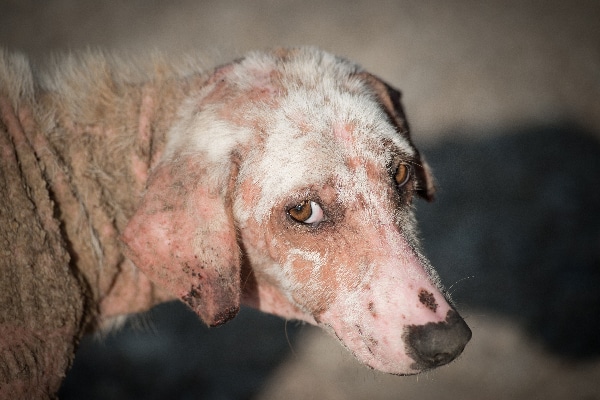
As dog lovers, we all want the best for our furry friends. We feed them the highest quality food, give them plenty of exercise and affection, and do everything we can to keep them healthy and happy. But sometimes, despite our best efforts, our dogs can fall victim to mysterious and frightening diseases. One such disease that has been causing growing concern among UK dog owners over the past decade is Alabama rot.
What is Alabama Rot?
Alabama rot, scientifically known as cutaneous and renal glomerular vasculopathy (CRGV), is a severe and often fatal condition that affects dogs of all breeds and ages. It is characterized by damage to the blood vessels of the skin and kidneys, leading to the appearance of oozing skin sores and acute kidney failure.
The disease first came to veterinary attention in the 1980s, when a number of greyhounds at racetracks in Alabama, USA, developed skin lesions and kidney failure. Despite extensive investigations at the time, the exact cause of the outbreak was never identified, and the disease seemed to disappear as mysteriously as it had arrived.
However, in 2012, cases of an identical disease began to emerge in the UK, initially in the New Forest area of Hampshire but subsequently spreading to other parts of the country. Since then, the number of confirmed cases has been steadily rising, causing understandable alarm among dog owners.
How Common is Alabama Rot in the UK?
While Alabama rot remains a rare disease, the number of confirmed cases in the UK has been increasing year on year. According to data from Anderson Moores Veterinary Specialists, one of the leading centers for Alabama rot research and treatment, there have been 278 confirmed cases across 44 counties since 2012.
| Year | Number of Confirmed Cases |
|---|---|
| 2012 | 6 |
| 2013 | 5 |
| 2014 | 32 |
| 2015 | 21 |
| 2016 | 19 |
| 2017 | 40 |
| 2018 | 52 |
| 2019 | 29 |
| 2020 | 37 |
| 2021 | 51 |
| 2022 | 67 |
As the table shows, 2022 saw the highest annual number of cases to date, with 67 confirmed cases. This represents a significant increase from the previous record of 52 cases in 2018.
While these numbers may seem alarming, it‘s important to put them into perspective. With an estimated 12 million pet dogs in the UK, the confirmed cases of Alabama rot represent a very small percentage of the overall dog population. However, the emotional impact on the owners of affected dogs cannot be overstated.
Signs and Symptoms of Alabama Rot
One of the most challenging aspects of Alabama rot is the speed with which it can progress from initial skin lesions to life-threatening kidney failure. Therefore, it‘s crucial for all dog owners to be aware of the signs and symptoms, and to seek veterinary advice immediately if they suspect their dog may be affected.
The first sign of Alabama rot is typically the appearance of skin sores that aren‘t caused by any known injury. These lesions most commonly appear on the dog‘s legs, chest, or abdomen, and may look like a swelling, a patch of red skin, or an open, ulcer-like wound. They can be painful and may cause the dog to lick or bite at the affected area.
Within an average of 3 days (but up to 10 days) after the skin lesions appear, the dog may begin to show signs of kidney failure. These can include:
- Vomiting
- Reduced appetite
- Lethargy or unusual tiredness
- Increased thirst
- Changes in urination (increased, decreased, or absent)
If your dog develops any unexplained skin lesions, especially if they are accompanied by any of the above signs, it‘s essential to contact your veterinarian immediately. The earlier the disease is caught and treated, the better the chances of survival.
Causes and Risk Factors
Despite ongoing research, the exact cause of Alabama rot remains unknown. However, several potential risk factors have been identified based on analysis of confirmed cases:
-
Seasonal pattern: The majority of cases (more than 90%) occur between November and May, with a peak in the winter months. This suggests a possible link to wet, muddy conditions.
-
Environmental factors: Cases have been reported in various habitats, including woodland, heathland, and urban areas. However, many cases occur in areas with heavy clay soil and higher than average rainfall.
-
Geographic clusters: Although cases have been reported across the UK, there have been some geographic clusters, with higher numbers of cases in the New Forest, Greater Manchester, and the Dorset/Devon border.
One theory is that the disease may be triggered by a toxin produced by a rare microorganism in the environment, possibly a species of bacteria or fungus. This toxin could potentially be absorbed through the skin or ingested if a dog licks or eats something contaminated. However, this remains speculative, and more research is needed to confirm or refute this hypothesis.
Diagnosing and Treating Alabama Rot
If your dog presents with skin lesions suggestive of Alabama rot, your vet will likely recommend a series of tests to assess kidney function and rule out other possible causes. These may include:
- Blood tests to check for signs of kidney failure, such as elevated creatinine and urea levels
- Urine tests to assess kidney function and check for protein loss
- Abdominal ultrasound to visualize the kidneys and check for abnormalities
- Skin biopsies of the lesions to help confirm the diagnosis
If kidney failure is detected, your dog will need to be hospitalized for intensive supportive care. This typically involves:
- Intravenous fluid therapy to support kidney function and correct electrolyte imbalances
- Anti-nausea medication to control vomiting
- Antibiotics to prevent secondary infections
- Specialty diets designed for dogs with kidney disease
- In some cases, dialysis may be recommended to support kidney function
Unfortunately, even with the best care, the prognosis for dogs with Alabama rot is guarded. Once the disease has progressed to the stage of kidney failure, the mortality rate is around 80-85%. However, if caught early and treated aggressively, some dogs can make a full recovery.
Prevention and Risk Reduction
Given the current gaps in our understanding of what causes Alabama rot, there are no guaranteed prevention strategies. However, based on the known risk factors, there are some steps dog owners can take that may reduce the chances of their dog contracting the disease:
-
Be vigilant: Check your dog‘s skin regularly for any unusual lesions, particularly on the legs, chest, and abdomen. If you find anything suspicious, contact your vet immediately.
-
Clean your dog: After walks in muddy or wet areas, wash your dog‘s legs and belly to remove any potential contaminants. Pay particular attention to any cuts or grazes.
-
Stay informed: Keep up to date with any reports of confirmed cases in your local area. You may want to avoid walking your dog in areas where cases have been confirmed.
-
Support research: Consider making a donation to organizations that are funding research into Alabama rot, such as the Alabama Rot Research Fund.
The Emotional Impact of Alabama Rot
As dog lovers, we know that our furry friends are more than just pets – they are cherished family members. The prospect of losing a beloved dog to a disease like Alabama rot is deeply distressing, and the uncertainty surrounding the condition only adds to the emotional toll.
For owners of dogs affected by Alabama rot, the rapid progression of the disease and the poor prognosis can be particularly devastating. Many describe feelings of helplessness, guilt, and grief, wondering if there was anything they could have done differently.
In these difficult times, it‘s important for affected owners to seek support from friends, family, and professional resources. Many veterinary practices offer bereavement counseling, and there are also online support groups specifically for owners of dogs with Alabama rot.
It‘s also crucial for all dog owners to remember that Alabama rot remains a very rare disease, and that the vast majority of dogs will never be affected. While it‘s important to be vigilant and informed, it‘s equally important not to let fear and anxiety overshadow the joy and love that our dogs bring into our lives.
The Future of Alabama Rot Research
Although much remains unknown about Alabama rot, there is cause for hope in the tireless efforts of the veterinary research community. Collaborative studies involving veterinary specialists, epidemiologists, and academic institutions are ongoing, with the aim of unraveling the mysteries of this complex disease.
Some of the key areas of current research include:
-
Environmental analysis: Detailed studies of the soil, water, and vegetation in areas where cases have been confirmed, looking for any common factors that could provide clues to the cause.
-
Microbiological investigations: Using advanced techniques like PCR testing and metagenomic sequencing to search for any infectious agents (bacteria, viruses, fungi) that could be involved.
-
Toxicological studies: Analyzing samples from affected dogs for the presence of any toxins or chemical compounds that could be triggering the disease.
-
Genetic studies: Looking for any breed predispositions or genetic factors that could influence susceptibility to the disease.
As our understanding of Alabama rot grows, so too will our ability to prevent, diagnose, and treat this devastating disease. In the meantime, the best we can do as dog lovers is to stay informed, be vigilant, and support each other through the challenges.
If you have any concerns about your dog‘s health, always seek advice from your veterinarian. Together, we can work to keep our beloved companions safe, healthy, and happy.
Additional Resources and Support
-
Alabama Rot Research Fund – A charity dedicated to funding research into the causes and treatment of Alabama rot.
-
Anderson Moores Veterinary Specialists – A leading center for Alabama rot research and treatment, with extensive information for owners.
-
Vets4Pets Alabama Rot Advice – A comprehensive guide to Alabama rot from one of the UK‘s largest veterinary groups.
-
Alabama Rot Dog Walkers‘ Guide – A practical guide for dog owners on reducing the risk of Alabama rot during walks.
-
Blue Cross Pet Bereavement Support – A free and confidential support service for anyone affected by the loss of a pet, including those dealing with Alabama rot.


