The Delightful and Diverse Spanish Water Dog: A Comprehensive Breed Guide

If you‘re a dog lover seeking an intelligent, active, and adaptable companion, the Spanish Water Dog (SWD) might just be your perfect match. This rare and captivating breed has a rich history, unique appearance, and endlessly entertaining personality that has earned them a devoted following around the world.
From their humble beginnings as a working dog in Spain to their modern versatility in countless roles, the Spanish Water Dog continues to impress with their intelligence, athleticism, and unwavering loyalty. Let‘s dive into the fascinating world of this curly-coated charmer and explore what makes them so special.
History and Heritage
The Spanish Water Dog‘s exact origins are shrouded in mystery, but experts believe the breed descended from ancient herding dogs brought to the Iberian Peninsula by Turkish traders as early as the 8th century AD. For hundreds of years, these hardy, intelligent dogs served as invaluable partners to Spanish farmers and hunters.
SWDs were prized for their versatility and trainability, with a particular knack for herding sheep and goats through rugged terrain. Their webbed feet, dense coat, and strong swimming abilities also made them exceptional retrievers of waterfowl and game from marshes and wetlands.
Despite their long history and valued role in Spanish culture, the breed nearly disappeared in the early 20th century as demand for their traditional jobs declined. In the 1970s, a group of dedicated breeders led by Antonio Garcia Perez and Santiago Montesinos took action to save the Spanish Water Dog from extinction.
Thanks to their tireless efforts, the SWD received official recognition from the Spanish Kennel Club in 1985 and from the Fédération Cynologique Internationale (FCI) in 1999. While still rare globally, the breed‘s numbers have grown steadily in recent decades as more dog lovers discover their many charms.
Appearance and Attributes
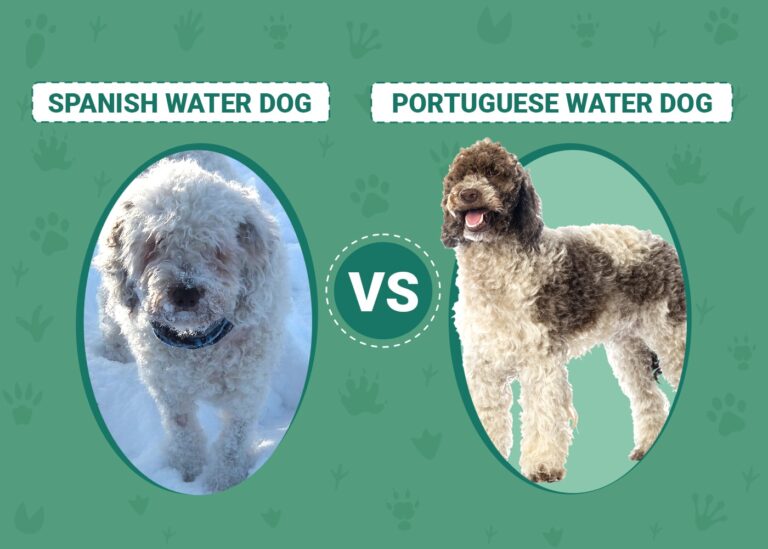
One of the Spanish Water Dog‘s most striking features is their unique coat, which consists of wooly, curly hair that grows continuously. If left unclipped, the coat will form cords similar to a Puli or Komondor. Most SWD owners opt to shave the coat every few months for easier maintenance.
The breed standard allows for solid coats in black, brown, beige, or white, with no color preferred over another. Parti-colored dogs are disqualified. The SWD‘s medium-length, corded coat served a practical purpose in their original work, protecting them from harsh weather and underbrush while herding and retrieving.
Some other notable physical characteristics of the Spanish Water Dog include:
- Sturdy, muscular build with a deep chest and strong limbs
- Height of 16-20 inches and weight of 30-50 pounds
- Webbed feet for powerful swimming
- Medium-sized, almond-shaped eyes in shades of hazel, chestnut, or dark brown
- Medium-sized, drooping ears set high on the head
- Nose typically the same color as the coat or slightly darker
- Tail customarily docked short (where legal) or left natural
Overall, the SWD has a rustic, natural appearance well-suited to their working heritage. Their proportions and build reflect an athlete bred for endurance and agility in challenging terrain and conditions.
Personality and Temperament
Spanish Water Dogs are known for their lively, energetic personalities and strong work ethic. They form deep bonds with their owners and thrive on being included in all aspects of family life. While initially reserved with strangers, SWDs are rarely aggressive and typically warm up quickly with proper introductions.
As a herding breed, Spanish Water Dogs have strong instincts to chase and gather moving objects, including children, other pets, and wildlife. Early training and socialization are essential to teach impulse control and appropriate play. With guidance, SWDs can be great playmates for respectful kids.
While intelligent and highly trainable, Spanish Water Dogs can have an independent streak and may test boundaries, especially as teenagers. They respond best to positive reinforcement and enjoy learning new skills, but can shut down if training becomes too repetitive or harsh.
Mental stimulation is just as crucial as physical exercise for this bright, curious breed. Spanish Water Dogs excel at problem-solving games, nose work, trick training, and other brain-boosting activities. Without enough enrichment, they may create their own fun with destructive chewing or digging.
Exercise and Activity
As a breed developed for long days of herding and hunting, Spanish Water Dogs have impressive stamina and exercise needs. They require at least one hour of vigorous physical activity every day, although many will happily go for more.
Favorite pastimes for SWDs include:
- Swimming and dock diving
- Hiking and trail running
- Playing fetch with balls or frisbees
- Participating in dog sports like agility, flyball, and rally obedience
- Herding sheep or cattle (with proper training)
- Joining their owners for paddling, boating, and other outdoor adventures
Beyond structured exercise, Spanish Water Dogs benefit from plenty of off-leash playtime in a securely fenced area. A bored SWD is likely to invent their own entertainment, often in the form of destructive chewing, excessive barking, or attempts to escape in search of adventure.
While the SWD‘s activity needs may seem daunting, they are actually quite adaptable to different living situations as long as their exercise and enrichment requirements are met. A tired, mentally stimulated Spanish Water Dog is typically a calm, contented companion in the home.
Grooming and Coat Care
The Spanish Water Dog‘s unique coat is a defining breed characteristic, but it does require specialized care to keep it healthy and looking its best. Here are some key grooming considerations for SWD owners:
-
Clipping: Most owners choose to shave the coat short every 2-4 months, depending on their preferred look and the dog‘s activities. Regular clipping helps prevent matting and keeps the dog comfortable in warm weather.
-
Bathing: SWDs should be bathed every 4-6 weeks or as needed with a mild shampoo designed for curly coats. Avoid rubbing the coat when wet, as this can lead to tangles. Instead, squeeze out excess water and allow the coat to air dry.
-
Ear Care: The breed‘s hanging ears can trap moisture and debris, making them prone to infections. Check and clean the ears weekly with a veterinarian-approved solution.
-
Dental Care: Like all dogs, SWDs benefit from regular dental hygiene, including tooth brushing and professional cleanings as recommended by your vet.
-
Nail Trimming: Keep the nails trimmed short to prevent discomfort and gait issues. If you can hear the nails clicking on hard floors, they‘re probably due for a trim.
While some dedicated owners learn to groom their SWDs at home, many opt for professional grooming services, especially for full-body clipping. Regardless of your approach, establishing a consistent grooming routine is essential for your SWD‘s skin and coat health.
Health and Longevity
The Spanish Water Dog is generally a hardy breed with a lifespan of 10-14 years. However, like all purebred dogs, they can be prone to certain genetic health conditions. The most common health concerns for SWDs include:
-
Hip Dysplasia: A malformation of the hip joint that can cause pain and mobility issues. Responsible breeders screen their breeding stock for this condition.
-
Progressive Retinal Atrophy (PRA): A degenerative eye disease that can lead to blindness. DNA testing is available to identify affected dogs.
-
Hypothyroidism: An underactive thyroid gland that can cause weight gain, lethargy, and skin issues. Regular blood testing can diagnose and monitor this condition.
-
Allergies: Some SWDs may be prone to environmental or food allergies, which can cause itchy skin, ear infections, and digestive upset.
To ensure your Spanish Water Dog stays healthy, work with a reputable breeder who performs recommended health tests on their breeding stock. Once you bring your SWD puppy home, establish a preventive care routine with your veterinarian, including regular check-ups, vaccinations, and parasite control.
Proper nutrition, weight management, and dental care also play key roles in your SWD‘s long-term health. Feed a high-quality diet appropriate for your dog‘s age and activity level, and avoid overfeeding to prevent obesity. Brush your SWD‘s teeth regularly and schedule professional dental cleanings as recommended by your vet.
Training and Socialization
As a highly intelligent and capable working breed, Spanish Water Dogs require consistent training and socialization from an early age. Puppies should be enrolled in positive reinforcement-based obedience classes as soon as possible to build a strong foundation of good manners and responsiveness.
Some key training tips for Spanish Water Dogs include:
- Use high-value rewards like treats, toys, and praise to motivate your SWD and reinforce desired behaviors.
- Keep training sessions short, fun, and varied to prevent boredom and frustration. Most SWDs thrive on learning new skills and tricks.
- Be consistent with rules and boundaries, and avoid harsh corrections or punishment-based methods that can damage your bond with your sensitive SWD.
- Teach a reliable recall and impulse control around distractions like other dogs, people, and wildlife.
- Provide plenty of socialization experiences, including exposure to different people, animals, environments, and situations, to help your SWD grow into a confident, well-adjusted adult.
Many Spanish Water Dog owners find that participating in dog sports or other structured activities helps channel their dog‘s energy and drive in a positive way. From agility and dock diving to herding and nose work, there are countless ways to challenge and engage your SWD‘s body and mind.
Living with a Spanish Water Dog
Before bringing a Spanish Water Dog into your life, it‘s important to carefully consider whether your lifestyle and home environment are a good fit for this active, intelligent breed. Some factors to keep in mind include:
-
Exercise: SWDs require at least one hour of vigorous exercise every day, along with plenty of mental stimulation and enrichment. If you work long hours or have limited time for training and play, an SWD may not be the best choice.
-
Space: While SWDs can adapt to apartment or urban living, they do best with a securely fenced yard where they can run and play. If you don‘t have outdoor space, be prepared to provide extra walks and outings.
-
Climate: The SWD‘s thick, woolly coat can make them prone to overheating in hot, humid weather. If you live in a warm climate, take extra precautions to keep your dog cool and comfortable, and consider a shorter haircut in the summer months.
-
Grooming: SWDs require regular clipping and grooming to maintain their signature curly coat. If you‘re not prepared to invest time and money in professional grooming or to learn how to do it yourself, an SWD may not be the right fit.
-
Training: As a breed with strong herding and working instincts, SWDs need consistent training and guidance to thrive as family companions. If you‘re a first-time dog owner or don‘t have experience with herding breeds, it‘s essential to work with a qualified trainer who can help you manage your SWD‘s energy and drive.
If you can provide the exercise, training, and companionship a Spanish Water Dog needs, you‘ll be rewarded with a loyal, loving, and endlessly entertaining partner. SWDs bond deeply with their owners and love being involved in all aspects of family life, from outdoor adventures to cozy cuddle sessions on the couch.
Fun Facts and Trivia
-
Spanish Water Dogs have many nicknames in their native Spain, including "Perro Turco" (Turkish Dog), "Perro Rizado" (Curly Dog), and "Laneto" (Wooly).
-
In 2001, a Spanish Water Dog named "Taser" became the first of his breed to earn an AKC Herding Championship title, showcasing the SWD‘s natural talent for livestock work.
-
While still rare in the United States, Spanish Water Dogs have gained popularity as therapy dogs and emotional support animals thanks to their friendly, intuitive nature and love of human connection.
-
According to a study by the Universidad de Córdoba in Spain, Spanish Water Dogs have one of the lowest inbreeding coefficients of any Spanish breed, thanks in part to the genetic diversity preserved by the breed‘s working history.
-
In 2015, a Spanish Water Dog named "Salva" made headlines in Spain for his role in a dramatic water rescue. The quick-thinking dog jumped into a river to save a drowning man, pulling him to shore by his clothing.
Final Thoughts
The Spanish Water Dog is a truly special breed with a fascinating history, unique appearance, and irresistible personality. From their humble origins as a working dog in Spain to their modern role as a versatile companion and athlete, SWDs continue to capture the hearts of dog lovers around the world.
If you‘re looking for a smart, active, and devoted partner to share your life with, a Spanish Water Dog might just be your perfect match. Just be prepared to provide plenty of exercise, training, and love to keep your curly-coated friend happy and thriving.
While they may not be the right fit for every household, Spanish Water Dogs have so much to offer those who appreciate their intelligence, loyalty, and zest for life. With their endearing personalities and endless enthusiasm, these special dogs have a way of making every day an adventure.
So if you‘re ready to dive into the wonderful world of Spanish Water Dogs, start your search for a reputable breeder or rescue organization today. With patience, dedication, and an open heart, you might just find your new best friend in the form of a curly-coated, water-loving SWD.