American Bully Bloodlines: A Comprehensive Guide for Dog Lovers
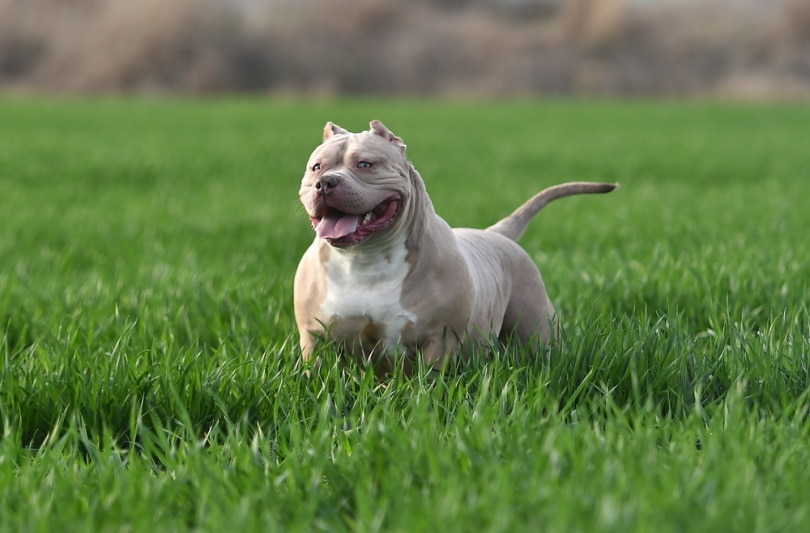
As a veterinarian and lifelong dog lover, I‘ve been fascinated by the rapid rise and evolution of the American Bully breed. In just a few short decades, this impressive companion dog has captured the hearts of enthusiasts worldwide with its unique blend of powerful physique, gentle nature, and unwaveringly loyal personality.
At the heart of the American Bully‘s story are the passionate breeders and fanciers who have shaped the breed through the development of distinct bloodlines, each with its own history, traits, and devoted following. In this comprehensive guide, we‘ll take a deep dive into the world of American Bully bloodlines, exploring their origins, characteristics, and the challenges and controversies facing the breed today.
The Rise of the American Bully
The American Bully‘s journey began in the 1990s when a group of dedicated breeders set out to create the ultimate companion dog. By crossing American Pit Bull Terriers with other bull breeds like American Bulldogs and Staffordshire Bull Terriers, they aimed to produce a dog with the strength and confidence of a bully breed but with a gentler, more stable temperament suitable for family life.
The result was a dog that quickly gained a reputation for its impressive musculature, loyal nature, and affectionate personality. As interest in the breed grew, so did the number of breeders and bloodlines, each putting their own stamp on the American Bully‘s look and temperament.
Major American Bully Bloodlines
Over the years, several bloodlines have risen to prominence within the American Bully community, each with its own unique history, traits, and devoted followers. Let‘s take a closer look at some of the most influential and recognizable bloodlines:
Razors Edge
Established in the early days of the breed by Dave Wilson, the Razors Edge bloodline is often credited with setting the standard for the modern American Bully. Wilson‘s vision was to create a heavier, more substantial dog with a blocky head and massive bone structure. He achieved this by incorporating English Bulldogs and other bull breeds into his breeding program.
Razors Edge Bullies are known for their impressive size and musculature, with males often weighing over 100 pounds. They have wide, deep chests, thick necks, and heavily muscled legs. Their heads are large and blocky with pronounced cheek muscles and short, square muzzles.
In terms of temperament, Razors Edge dogs are typically confident, outgoing, and friendly. They bond strongly with their families and are known for their patience and gentleness with children. However, their size and strength make early socialization and training essential to ensure they develop into well-mannered adult dogs.
Gottiline
The Gottiline bloodline traces its roots back to a legendary stud dog named Notorious Juan Gotti, bred by Richard Barajas in the late 1990s. Gotti was known for his extreme musculature and compact, powerful build, traits that he consistently passed on to his offspring.
Gottiline Bullies are often described as "bullier than Bully," with their heavy bone structure, massive heads, and dense, rippling musculature. They have a more compact, terrier-like body structure than some other bloodlines, with shorter backs and well-defined shoulders and hindquarters.
Despite their fierce appearance, Gottiline Bullies are known for their gentle, affectionate dispositions and loyalty to their families. They can be a bit more high-energy and driven than some other bloodlines, excelling in sports like weight pulling and requiring plenty of exercise and mental stimulation.
Remyline
Developed by Fabian Chichester in the early 2000s, the Remyline bloodline is known for producing consistent, high-quality dogs with clean lines and balanced proportions. The foundation of the line was a exceptional stud named Remy, who passed on his best traits to his progeny.
Remyline Bullies have a more moderate, streamlined look compared to some of the bulkier bloodlines. They have well-defined musculature and athletic builds, with medium-length muzzles and relatively smaller heads. Their ears are often cropped to enhance their alert, attentive expression.
In terms of temperament, Remyline Bullies are known for their intelligence, trainability, and eagerness to please. They excel in obedience and agility and make devoted, adaptable companions. While still protective of their families, they tend to be more accepting of strangers and other dogs than some bloodlines.
Greyline
Another bloodline founded by Fabian Chichester, the Greyline originated from a breeding between two exceptional dogs named Raider and Gia. Greyline Bullies are known for their distinctive look, with large, blocky heads and heavy bone structure balanced by a slightly taller, leaner body than some other lines.
Greyline dogs have a more upright, square stance than the low-slung, slinky look of some Bullies. They have clean, tight skin and well-defined musculature without appearing overly bulky or cumbersome. Their ears are often left natural rather than cropped.
Temperamentally, Greyline Bullies are confident, friendly, and easygoing. They are adaptable dogs that do well in a variety of living situations and enjoy being active members of their families. They tend to be more tolerant of other dogs and less prone to aggression than some lines.
Daxline
Developed by breeder Dax Peralta, the Daxline bloodline specializes in producing micro and pocket-sized American Bullies. These pint-sized powerhouses pack all the personality and proportions of a full-sized Bully into a compact, portable package.
Daxline Bullies typically stand 13-17 inches tall and weigh under 50 pounds, with males being larger than females. They have stocky, muscular bodies with large heads, wide chests, and short, sturdy limbs. Despite their small size, they have an unmistakable Bully presence.
In terms of temperament, Daxline dogs are playful, energetic, and affectionate. They bond closely with their owners and are happiest when they‘re the center of attention. Their small size and adaptable nature make them well-suited to apartment living or traveling.
Health and Genetic Diversity
As with many purebred dogs, American Bullies are prone to certain genetic health issues that responsible breeders work to minimize through selective breeding and health testing. Some bloodlines are more associated with specific issues than others, making it important for potential owners to research and choose their breeder carefully.
For example, the Razors Edge bloodline is known to produce dogs with a higher incidence of hip dysplasia, a painful and often debilitating joint condition. Gottiline Bullies may be more prone to skin allergies and breathing difficulties due to their short muzzles and heavily wrinkled skin. Pocket Bullies, due to their small size, can be at higher risk for patellar luxation, a condition where the kneecap slips out of place.
To combat these issues and preserve the health and longevity of the breed, many dedicated breeders are placing a greater emphasis on genetic diversity and outcrossing in their programs. By carefully introducing new blood and selecting for health and functionality alongside appearance, they hope to create more robust, resilient dogs.
Some promising developments include the increasing use of genetic testing to screen for inherited disorders and the trend towards breeding for more moderate, functional physiques over extreme exaggerations. As the breed matures and evolves, prioritizing health and temperament will be key to ensuring a bright future for the American Bully.
Breed Popularity and Public Perception
In recent years, the American Bully has seen a surge in mainstream popularity, with celebrities, athletes, and social media influencers embracing the breed as a status symbol and fashion accessory. While this increased visibility has introduced many new people to the joys of Bully ownership, it has also raised concerns about irresponsible breeding practices and the promotion of extreme, unhealthy physical traits.
The rise of the "exotic" or "micro exotic" Bully, with its extremely short, wide stance, heavily wrinkled skin, and flattened face, has been particularly controversial within the breed community. Critics argue that these exaggerated features compromise the dogs‘ health and quality of life, while proponents claim that they are simply evolving the breed to meet market demands.
As veterinarians and animal welfare advocates, it‘s our responsibility to educate the public about the importance of prioritizing health, temperament, and function in breeding decisions. We must encourage potential owners to seek out reputable breeders who health test their dogs, provide proper socialization and care, and breed for moderation and balance.
The American Bully community has made great strides in recent years to improve the breed‘s image and promote responsible ownership. Breed clubs and organizations have developed strict codes of ethics and conduct for breeders, emphasizing health, temperament, and adherence to the breed standard. They have also worked to educate the public about the Bully‘s gentle, family-friendly nature and dispel myths and stereotypes associated with the breed‘s Pit Bull heritage.
The Future of the American Bully
As the American Bully continues to evolve and gain popularity, it will be fascinating to see how the various bloodlines and types develop and interact in the coming years. Some fanciers advocate for further standardization and refinement of the breed, while others celebrate the diversity and unique character of each bloodline.
One thing is certain: the passionate community of American Bully enthusiasts will continue to shape the breed‘s future through their dedication, innovation, and love for these remarkable dogs. By working together to prioritize health, temperament, and responsible breeding practices, we can ensure that the American Bully remains a beloved and thriving part of the canine world for generations to come.
In conclusion, the American Bully is a breed with a rich history, a vibrant present, and an exciting future. By understanding the unique qualities and challenges of each bloodline, and working together to promote the breed‘s best interests, we can secure a bright tomorrow for this magnificent companion dog. As dog lovers and advocates, it‘s our privilege and responsibility to be part of the American Bully‘s ongoing story.
| Bloodline | Size | Body Type | Head Type | Temperament | Health Concerns |
|---|---|---|---|---|---|
| Razors Edge | Large to XL | Heavy, muscular | Large, blocky | Confident, friendly | Hip dysplasia |
| Gottiline | Medium to XL | Compact, bully | Massive, wrinkled | Gentle, high-energy | Allergies, breathing |
| Remyline | Medium to XL | Balanced, clean | Moderate, defined | Intelligent, eager | Minimal |
| Greyline | Large to XL | Tall, lean | Blocky, heavy | Easygoing, tolerant | Joint issues |
| Daxline | Pocket to Mini | Stocky, compact | Large for size | Playful, affectionate | Patellar luxation |
Table 1. Comparison of key traits of major American Bully bloodlines.
According to recent statistics from the United Kennel Club (UKC), American Bully registrations have increased by over 400% in the past decade, with more than 30,000 dogs registered in 2020 alone. The breed now ranks among the top 20 most popular breeds in the UKC system, a testament to its rapid rise and growing mainstream appeal.
However, with this increased demand comes an increased responsibility for breeders, owners, and advocates to prioritize the breed‘s health and well-being. A 2019 study published in the Journal of the American Veterinary Medical Association found that American Bullies had a significantly higher incidence of many genetic health issues compared to other breeds, including hip dysplasia (17.2% vs. 5.4%), elbow dysplasia (11.8% vs. 2.6%), and heart disease (5.1% vs. 1.3%).
To address these concerns, organizations like the American Bully Kennel Club (ABKC) have implemented stricter health testing requirements for registered breeding dogs, including hip and elbow screenings, cardiac evaluations, and DNA tests for inherited disorders. They have also launched educational campaigns to promote responsible breeding practices and raise awareness about the breed‘s unique needs and challenges.
Experts like Dr. Emily Davison, a veterinary geneticist at the University of California, Davis, emphasize the importance of genetic diversity in maintaining the health and vigor of the breed. "Breeding for extreme physical traits like heavy wrinkles, short muzzles, or exaggerated proportions can have serious consequences for a dog‘s quality of life," she warns. "It‘s crucial that breeders prioritize health, temperament, and function over fleeting fashion trends or market demands."
For potential American Bully owners, doing thorough research and choosing a reputable breeder is key to finding a healthy, well-adjusted puppy. "Look for breeders who health test their dogs, provide detailed pedigrees and health records, and prioritize temperament and socialization," advises Dan Stevens, President of the ABKC. "Be wary of breeders who make extreme claims or seem more interested in selling a ‘product‘ than placing their puppies in responsible, loving homes."
As the American Bully community continues to grapple with these challenges and opportunities, one thing remains clear: the future of this remarkable breed lies in the hands of dedicated, responsible breeders, owners, and advocates who are committed to its health, welfare, and ongoing success. By working together to promote education, ethical breeding practices, and a balanced, sustainable vision for the breed, we can ensure that the American Bully continues to thrive and enrich the lives of dog lovers for generations to come.