American Eagle Dog: The Playful and Intelligent Companion You‘ve Been Searching For
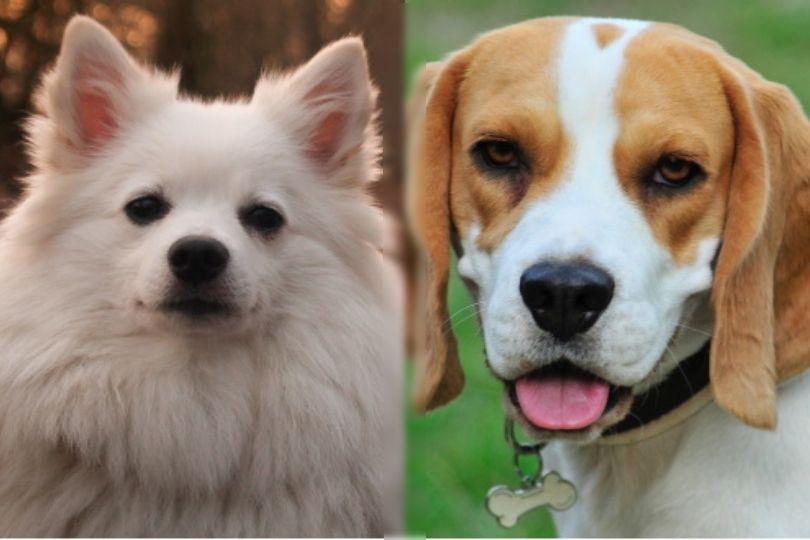

Are you looking for a lively, loving canine companion with the brains to match their beauty? Look no further than the American Eagle Dog! This delightful designer breed, a cross between a Beagle and an American Eskimo Dog, has been capturing hearts with their endearing personalities and striking good looks since they first emerged in the late 1980s.
As a relatively new and rare breed, you may not have heard of the American Eagle Dog before. But these charming canines are quickly gaining popularity thanks to their adaptability, trainability, and utter devotion to their humans. Whether you‘re seeking a playful pal for outdoor adventures or a cuddle buddy for movie night, the American Eagle Dog is happy to oblige.
If you‘re considering welcoming an American Eagle Dog into your life, you‘ve come to the right place. In this comprehensive guide, we‘ll cover everything you need to know about these magnificent mutts, including their physical characteristics, personality quirks, grooming needs, health concerns, and more. By the end, you‘ll have a clear picture of whether an American Eagle Dog is the right fit for you.
American Eagle Dog History and Origins
To truly understand the American Eagle Dog, it helps to know a bit about their parent breeds. Let‘s start with the Beagle, one of America‘s most beloved hound dogs. Developed in Great Britain to hunt rabbits and hares, Beagles have been prized for their keen noses, melodic voices, and merry dispositions for centuries. They were imported to the United States in the 1800s, where they quickly gained a following among hunters and pet owners alike.
Beagles are currently the 7th most popular breed in the United States according to the American Kennel Club‘s registration statistics. Their compact size (under 15 inches tall), easy-to-groom coats, and friendly nature make them an ideal choice for many dog lovers.
On the other side of the American Eagle Dog family tree is the American Eskimo Dog – which, despite its name, is not actually from Alaska or the Arctic. These fluffy white spitz-type dogs originated in Germany, where they were known as the German Spitz. They arrived in the United States in the early 1900s, where they became popular circus dogs thanks to their intelligence and trainability.
According to the AKC, the American Eskimo Dog comes in three size varieties: toy (under 12 inches tall), miniature (12-15 inches tall), and standard (15-19 inches tall). They‘re known for their lush white double coats, alert expressions, and outgoing personalities.
The American Eagle Dog inherits many of the best traits from both parent breeds. Like Beagles, they tend to be playful, friendly, and energetic. They have a strong prey drive and love using their noses to explore the world. From their American Eskimo side, they get their intelligence, trainability, and striking white coats.
American Eagle Dog Physical Characteristics
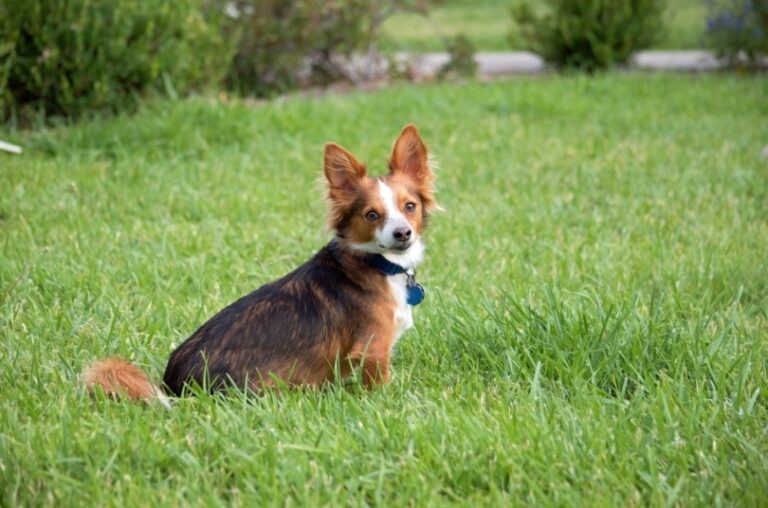
At first glance, the American Eagle Dog looks a bit like a fluffier, sturdier Beagle with a snowy white coat. They have compact, muscular bodies that typically weigh between 20-50 pounds and stand 13-19 inches tall at the shoulder when fully grown.
Here are some key American Eagle Dog physical traits:
- Head: Slightly rounded with a medium-length muzzle and floppy Beagle-like ears
- Eyes: Brown or hazel, alert and friendly
- Coat: Dense double coat, predominantly white with possible brown or black patches
- Tail: Medium length, often carried curled over the back
- Facial Features: Black or brown nose, expressive eyebrows
Thanks to their Beagle heritage, American Eagle Dogs have a bit more heft and sturdiness to them compared to the finer-boned American Eskimo Dog. But they still maintain a tidy, compact package that allows them to adapt well to most living situations.
American Eagle Dog Temperament and Personality
If you‘re looking for a canine companion who will keep you laughing and lavish you with affection, the American Eagle Dog may be your perfect match. These sociable, silly, whip-smart dogs are known for their larger-than-life personalities and zest for adventure.
Playful Pranksters
American Eagle Dogs never seem to lose their puppy-like playfulness, even into adulthood. They love romping with other dogs, playing games with their humans, and investigating interesting scents on walks. Puzzle toys, hidden treats, and teaser pole toys are all sure to pique their interest and get their tails wagging.
Shelley Smith, an American Eagle Dog owner from Orlando, Florida, describes her dog Max‘s typical antics: "Every morning, I hide a few treats around the house for Max to find while I‘m at work. He goes on a full-fledged scavenger hunt, using that powerful nose of his to sniff out every last crumb. It‘s like a game for him – the more challenging I make it, the more excited he gets!"
Eager to Please
Like their American Eskimo Dog ancestors, American Eagle Dogs are highly trainable and thrive on positive reinforcement. They excel at obedience, agility, tricks, and more – as long as you keep things fun and rewarding.
According to certified dog trainer Jenna Davis, CPDT-KA, "American Eagle Dogs are a joy to train because they‘re so motivated to work with their humans. They pick up new commands quickly and are always eager to put their smarts to the test. The key is to start training early, be consistent, and use plenty of praise and yummy treats."
Affectionate Companions
There‘s nothing an American Eagle Dog loves more than being with their people. They form deep bonds with their owners and crave being part of all family activities. While they‘re confident and independent enough to entertain themselves for short periods, they‘re happiest when they‘re by your side.
As veterinarian Dr. Rachel Sanchez explains, "American Eagle Dogs are very people-oriented and affectionate with their families. They don‘t do well when left alone for long periods, as they can develop separation anxiety and resort to destructive behaviors. If you work long hours or travel frequently, this may not be the ideal breed for you."
American Eagle Dog Care and Grooming
To keep your American Eagle Dog looking and feeling their best, they‘ll need regular grooming, exercise, and veterinary care. Here‘s what you need to know:
Coat Care
One look at the American Eagle Dog‘s lush white double coat is enough to tell you that they‘re heavy shedders. To keep all that fluff under control, plan to brush them with a slicker brush or undercoat rake at least 2-3 times per week. During shedding season in the spring and fall, daily brushing may be necessary.
Bathe your American Eagle Dog every 4-8 weeks using a gentle, dog-specific shampoo. Regular bathing helps remove dirt, dander, and loose fur while keeping their skin and coat healthy.
Exercise Needs
As energetic and athletic dogs, American Eagle Dogs need a minimum of 60 minutes of physical exercise per day, split into a couple of walks and active playtime. They‘ll also appreciate having a securely fenced yard where they can run, play, and sniff to their heart‘s content.
In addition to physical activity, American Eagle Dogs need plenty of mental stimulation to prevent boredom and destructive behaviors. Puzzle toys, scent work games, trick training, and interactive play are all great ways to engage their active minds.
Jill Thompson, an American Eagle Dog breeder from San Diego, California, recommends mixing up your dog‘s exercise routine to keep things interesting: "One day, take them on a long hike in the woods. The next, set up an obstacle course in your backyard. Variety is the spice of life for these dogs – the more you can challenge them physically and mentally, the happier they‘ll be."
Health Concerns
As a relatively new breed, there‘s limited data available on American Eagle Dog health. However, they may be prone to some of the same genetic disorders that affect their parent breeds, including:
- Hip dysplasia
- Patellar luxation
- Eye issues like glaucoma, cataracts, and progressive retinal atrophy
- Hypothyroidism
- Intervertebral disc disease
According to a 2019 study by the Orthopedic Foundation for Animals, 5.7% of American Eskimo Dogs and 10.7% of Beagles screened had hip dysplasia. While these numbers don‘t guarantee your American Eagle Dog will inherit the condition, they underscore the importance of choosing a puppy from health-tested parents.
To keep your American Eagle Dog healthy, feed them a high-quality diet, maintain them at a proper weight, brush their teeth regularly, and schedule annual wellness exams with your vet. By staying on top of preventive care, you can help your furry friend live a long, happy life.
American Eagle Dog Fun Facts
-
The American Eagle Dog is still quite rare, with an estimated population of just a few hundred in the United States. If you have your heart set on this breed, be prepared to travel or join a waiting list.
-
According to the breed standard, American Eagle Dogs should have a "Beagle-like head with an American Eskimo-like body." Talk about a perfect blend of cute and cuddly!
-
American Eskimo Dogs were once popular circus performers, known for walking tightropes, balancing on balls, and riding bicycles. While American Eagle Dogs may not be ready for the big top, they‘re still quick learners who love showing off their tricks.
-
Despite being affectionate with their families, American Eagle Dogs can be reserved with strangers. Proper socialization from puppyhood is a must to help them develop into confident, well-mannered dogs.
-
With their thick white double coats, American Eagle Dogs are built for colder climates. They love spending time outdoors in the winter and will happily romp in the snow for hours.
Final Thoughts
For active dog lovers seeking a devoted, intelligent canine companion, the American Eagle Dog is hard to beat. These spunky, sweet dogs will keep you endlessly entertained with their playful antics while also providing loyal companionship through thick and thin.
Of course, no breed is right for everyone. American Eagle Dogs shed heavily, need plenty of exercise and interaction, and don‘t always get along with cats and other small animals. They‘re best suited for homes where someone is around for most of the day to provide attention and activity.
If you think you can meet the breed‘s needs, your next step is finding a responsible American Eagle Dog breeder. Look for a breeder who performs health testing on their dogs, socializes their puppies, and is committed to bettering the breed. Avoid pet stores, online sellers, and anyone who seems more interested in making a quick buck than producing healthy, well-adjusted puppies.
While adopting an American Eagle Dog is a big commitment, it‘s one that will reward you with a lifetime of laughter, love, and loyalty. If you‘re ready to welcome one of these magnificent mutts into your heart and home, start your search for the perfect pup today!