Are Poodles Aggressive? Breed Behavior & Training Tips
Are Poodles Aggressive? Breed Behavior & Training Tips
Poodles are one of the most popular and recognizable dog breeds, known for their intelligence, athleticism, and signature curly coats. While generally friendly and good-natured, like any dog, poodles can sometimes display aggressive behavior. Let‘s take a closer look at poodle temperament and explore whether this breed has aggressive tendencies.
Poodle History and Temperament
Poodles were originally bred in Germany as water retrieving dogs. The name poodle likely comes from the German word "pudeln," which means to splash in water. Their job was to retrieve ducks and other birds for hunters.
The poodle‘s coat was clipped to improve their swimming ability while still protecting vital areas from the cold water. Over time, their coat styling became more elaborate and decorative as they transitioned into popular companions among nobility.
Today, the poodle ranks as the 7th most popular breed in the United States according to AKC registration statistics. They come in three size varieties:
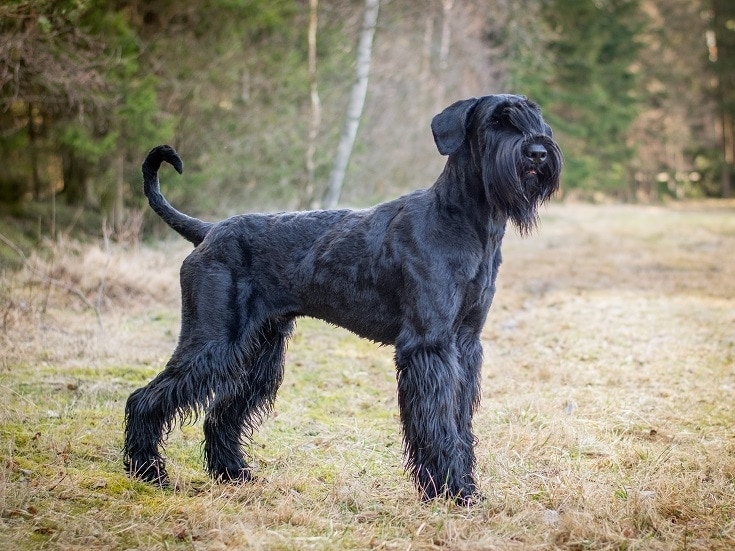
- Standard poodle (over 15 inches tall)
- Miniature poodle (10-15 inches tall)
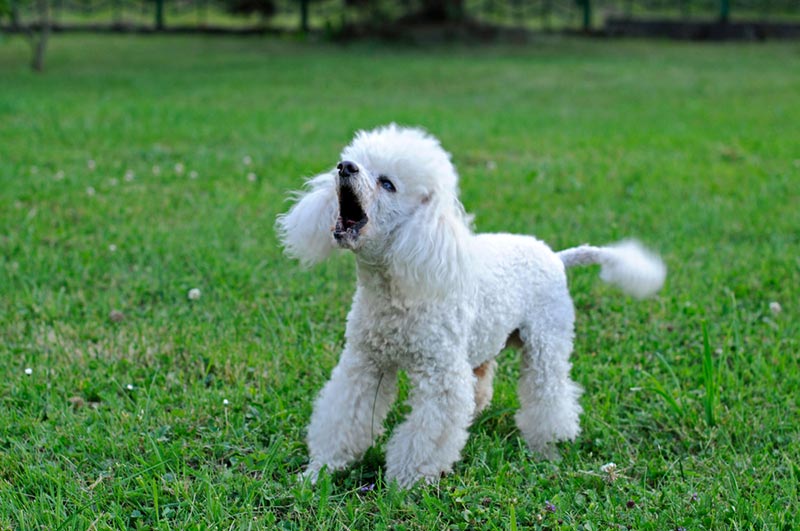
- Toy poodle (under 10 inches tall)
All poodles share the same general characteristics:
- Highly intelligent and trainable
- Energetic and athletic
- Tend to bond closely with family
- Can be aloof or reserved with strangers
- May have a high prey drive
- Tend to bark readily to alert
So are these friendly, clever dogs prone to aggression? Let‘s examine the research and statistics.
Are Poodles Aggressive?
A study published in Applied Animal Behaviour Science analyzed aggression in different dog breeds based on bite data from multiple cities. It found that poodles were one of the breeds least likely to bite. Fewer than 1% of reported dog bites were attributed to poodles or poodle mixes.
Another study looked at owner-directed aggression in multi-dog households and also found poodles to have lower than average rates of aggression compared to other breeds studied. Across multiple studies and expert analyses, poodles consistently rank low in aggression statistics.
While this data is encouraging for poodle lovers, it doesn‘t mean poodles never show aggression. Any dog may act aggressively in certain contexts. Poodles do have some breed traits that could contribute to aggressive tendencies if not properly managed:
-
Aloofness with strangers: Poodles tend to be very bonded to their owners but more reserved with new people. They may act standoffish or defensive if pushed outside their comfort zone by someone they don‘t know.
-
Territoriality: As former hunting dogs, poodles have instincts to guard their territory. They are known to be alert watchdogs who readily bark to warn off intruders. This territoriality could escalate to aggression without training.
-
Prey drive: Poodles have a strong instinct to chase small animals that run away. Their hunting background means they may view small pets as prey. A high prey drive could lead to dangerous aggression if the poodle is not taught how to redirect this instinct.
While these traits don‘t make poodles inherently aggressive, they are important for owners to be aware of. Any guardian breed behaviors need to be managed through socialization and training to prevent them from developing into aggression.
Causes of Aggression
Aggression is a complex issue that is impacted by many genetic and environmental factors. Some of the potential causes of aggressive behavior in poodles and other dogs include:
Lack of Socialization: Dogs have a critical socialization window as puppies where they need to be exposed to many new people, animals, places and things. If a poodle puppy isn‘t properly socialized, they are more likely to develop fear and aggression in new situations as an adult.
Fear and Anxiety: Fear is a common cause of aggression in dogs. If a poodle feels unsafe or threatened, their natural response may be to act defensively by barking, lunging, or biting. Anxiety can also lower a dog‘s bite threshold and make them more reactive.
Resource Guarding: Poodles may growl, snap or bite to guard high-value items like food, toys, or sleeping areas. Resource guarding is often triggered by a fear that the valued possession will be taken away.
Pain or Health Issues: Medical problems are a frequently overlooked cause of aggression in dogs. If a normally friendly poodle suddenly starts acting irritable or lashes out, it could be a sign that they are in pain or not feeling well. Aggression is often a dog‘s response to the threat they feel when they‘re vulnerable.
Learned Behavior: Dogs can sometimes learn that acting aggressively gets them what they want, like making a scary person go away or gaining access to food. If these behaviors are accidentally rewarded enough times, aggression becomes a poodle‘s go-to strategy.
Poodle Size and Aggression
Do different sizes of poodles have different propensities for aggression? The short answer is no. Standard, miniature, and toy poodles all have the same breed traits that could potentially lead to aggressive behavior if not properly trained and socialized.
However, the way owners perceive and manage aggression may vary based on size. Aggression in toy or miniature poodles may not be taken as seriously because these small dogs can be more easily physically controlled and cause less damage.
Owners of tiny poodles may also be more likely to inadvertently encourage aggressive behaviors by picking them up or not correcting them as often. However, even a bite from a small dog can be painful and lead to infection, so aggression should always be addressed, no matter the size of the poodle.
On the other hand, aggression from a larger standard poodle is often seen as a more serious issue because of their potential to cause injury. A standard poodle‘s strength and athleticism can make it harder for owners to manage them if they lunge or jump.
Big or small, it‘s important for all poodle owners to take preventative steps to shape good manners and non-aggressive responses from an early age.
Preventing Aggression Through Training
Aggression is best prevented through proactive training and socialization starting from puppyhood. Key strategies include:
Socialization: Safely exposing your poodle puppy to many new people, animals and environments teaches them to feel at ease in the world. Continued socialization into adulthood maintains those positive associations.
Positive Reinforcement: Rewarding your poodle for the behaviors you want encourages them to offer those more often. Aggression should never be punished, as this can make a poodle feel more threatened and likely to escalate. Focus on teaching and rewarding alternative behaviors.
Leadership and Boundaries: Poodles feel more secure when they know their owner is a caring leader who sets boundaries. Training a solid foundation of obedience and structure will boost your poodle‘s confidence.
Mental and Physical Stimulation: A tired poodle is a well-behaved poodle. Poodles are intelligent dogs who need ample mental enrichment and physical exercise. Boredom and pent up energy can contribute to behavior issues like aggression.
When to Seek Professional Help
What should you do if your poodle is showing signs of aggression? First, rule out any medical causes by having them examined by a veterinarian.
If your poodle gets a clean bill of health, it‘s best to consult with a qualified positive reinforcement trainer or veterinary behaviorist. They can evaluate your poodle‘s body language, determine their triggers, and create a customized behavior modification plan.
Look for a professional who uses science-based positive methods and has experience with aggression cases. Avoid anyone who uses punishing or dominance-based techniques, as these approaches are more likely to escalate aggressive behavior.
With patience and commitment to training, most poodles can learn to feel more comfortable and respond with safe, friendly behaviors.
Conclusion
So are poodles aggressive? Research and statistics show that poodles are not inherently more aggressive than most other dog breeds. In fact, they tend to rank low in bite incident reports compared to many breeds.
However, poodles are still dogs who can show aggression in certain contexts. Lack of socialization, resource guarding, fear, health issues and owners inadvertently rewarding aggressive displays can all cause issues no matter the breed.
Poodle owners who are aware of breed traits like territoriality and aloofness can take steps to prevent these from developing into aggression. Proactive training and socialization are key to raising a well-rounded, friendly poodle.
While serious aggression is uncommon in poodles, any aggressive behavior should be addressed with the help of a qualified professional. By working to identify triggers and teach alternative responses, poodle owners can keep everyone safe and help their intelligent, loving dogs thrive.