American Pit Bull Terrier Dog Breed: Info, Pictures, Care, Traits & More
The American Pit Bull Terrier: A Loyal and Loving Breed
The American Pit Bull Terrier (APBT) is a strong, energetic, and muscular dog breed with a complicated history and reputation. Originally developed in England and Ireland in the early 1800s for the cruel sport of dogfighting, the APBT faced widespread prejudice and fear after dogfighting was outlawed and the breed became popular with irresponsible owners who poorly bred and mistreated their dogs, leading to cases of aggression. However, when bred and raised properly, the vast majority of APBTs are gentle, affectionate, and loyal family companions. Let‘s delve deeper into the traits, history, and care requirements of this often misunderstood breed.
History of the American Pit Bull Terrier
The ancestors of the APBT were English and Irish dogs known as "bull and terriers," bred starting in the early 1800s by crossing bulldogs with terriers to produce a strong, agile, and tenacious dog for dogfighting and ratting contests. When these blood sports were banned in England in 1835, the bull and terrier dogs started being imported to the United States.
Once in the U.S., two distinct types of bull and terrier dogs emerged – the American Pit Bull Terrier and the American Staffordshire Terrier (AmStaff). The United Kennel Club recognized the American Pit Bull Terrier as a breed in 1898, while the American Kennel Club recognized the similar but slightly larger American Staffordshire Terrier in the 1930s.
During the World Wars, APBTs served as military mascots and were featured on pro-American posters as a symbol of courage and bravery. Well-known individual APBTs like Stubby, the most decorated war dog in World War I, and Petey from the Our Gang/Little Rascals film series helped popularize a positive image of the breed as a friendly family pet in the early 20th century.
Sadly, the breed‘s reputation took a negative turn in the 1980s, when there was a resurgence in illegal dogfighting and Pit Bulls became popular with irresponsible owners who encouraged aggression and poorly bred their dogs. A series of highly publicized attacks by aggressive Pit Bulls led to widespread misinformation, prejudice, and fear around the breed. Many cities enacted breed-specific legislation, ranging from mandatory spay/neuter and muzzle laws to full bans on Pit Bull ownership.
The tide is turning now in the 2020s as a growing body of evidence shows that the majority of APBTs are not inherently aggressive when bred and raised properly. Breed advocates emphasize the importance of judging each individual dog by its own merits and providing them with responsible breeding, training, socialization, and care. Many countries and U.S. states are overturning breed-specific laws in favor of "deed not breed" approaches holding owners accountable for their dogs‘ behavior. While the APBT still faces an uphill battle with public perception, more and more people are opening their hearts to this intelligent, affectionate, and loyal breed.
Physical Characteristics
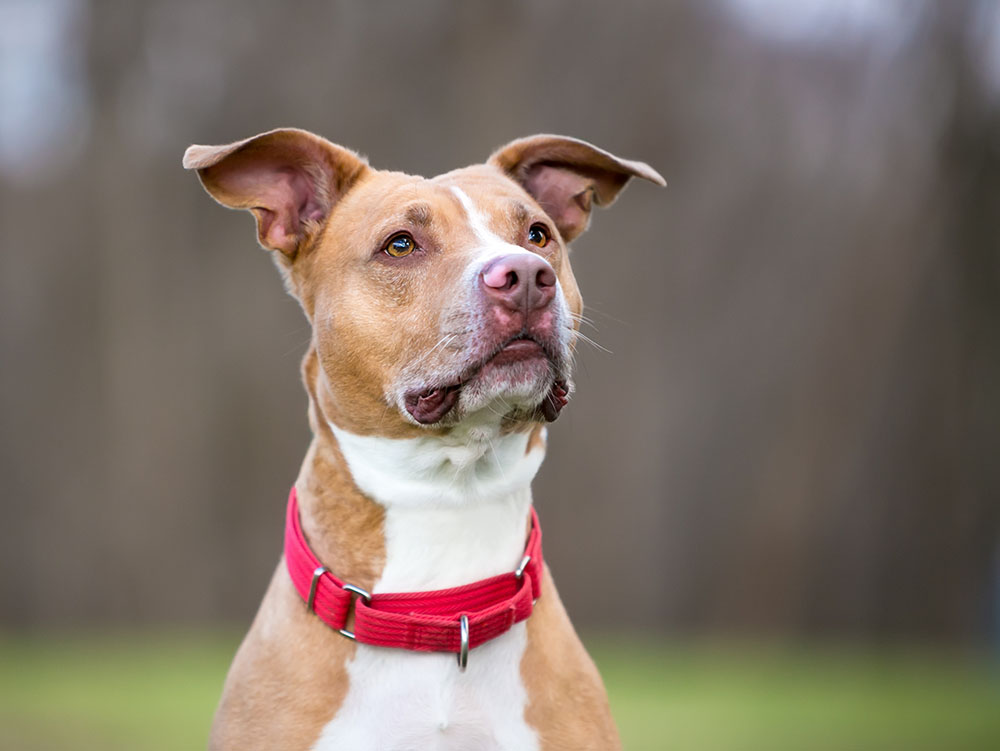
The American Pit Bull Terrier is a medium-sized, muscular dog with a short, smooth coat and a lean, athletic build. Males typically stand 18-21 inches tall at the shoulder and weigh 35-60 pounds, while females tend to be 17-20 inches tall and 30-50 pounds.
Some key physical features of the APBT include:
- A broad, medium-length head with pronounced cheek muscles and a wide, deep muzzle
- Ears that are small to medium in size, typically half-pricked or rose-shaped
- Round, wide-set eyes that convey an intelligent and alert expression
- A muscular, stocky neck that widens from the head to the shoulders
- A deep, broad chest with well-sprung ribs
- Muscular, moderately long legs with strong, straight bones and medium-sized, compact feet
- A relatively short, tapered tail set low and never docked
The APBT‘s short, stiff coat is shiny and smoothly fitting, with common colors including black, white, brindle, fawn, blue, red, brown, tan, and combinations of those colors. Some may have white markings on the chest and toes.
Temperament and Personality
When bred and raised responsibly, the American Pit Bull Terrier is known for being a loyal, affectionate, and good-natured companion. They are often very people-oriented and crave attention from their family, being happiest when they are included in family activities and given a job to do. Many APBTs serve as excellent therapy dogs thanks to their outgoing, stable temperament and love of meeting new people.
As terriers, APBTs have a strong prey drive and love to chase and grab things that move. They are known for their tenacious and determined personalities, never backing down from a challenge. Without proper training and an outlet for their natural drives, this tenacity can lead to destructive behaviors like chewing, digging, and barking.
The APBT‘s strong prey drive can manifest as aggression towards smaller animals like cats or other dogs, especially if they are not well socialized. Same-sex aggression is also common, with many APBTs not tolerating another dog of the same sex in the household. However, with early and ongoing socialization, training, and responsible management, the risk of aggression can be greatly reduced and many APBTs can peacefully coexist with other pets.
APBTs tend to have a high pain tolerance and can be stoic about showing discomfort, so it‘s important for owners to be proactive about health check-ups and seeking veterinary care. They also tend to be very emotionally sensitive and attuned to their owners despite their tough appearance, and can develop anxiety if left alone too long or not given enough attention.
Potential dog owners should know that the APBT is often a target of breed discrimination due to lingering misinformation and prejudice. Many landlords and insurance companies restrict APBT ownership, so finding housing and coverage can be a challenge. Owning an APBT requires a commitment to being an excellent breed ambassador through responsible training, socialization, and community education to combat negative stereotypes.
Exercise and Training Needs
As a high-energy working breed, the American Pit Bull Terrier needs a lot of daily exercise and mental stimulation to stay happy and well-behaved. A minimum of one to two hours of physical activity is recommended, divided into a few different sessions throughout the day.
Some good exercise options for APBTs include:
- Daily long walks or jogs
- Hiking and swimming
- Fetch and tug-of-war games
- Agility, coursing, weight pulling, and other dog sports
- Puzzle toys and interactive games to work their mind
Without enough exercise and constructive ways to channel their energy, APBTs can quickly develop destructive habits like excessive chewing, digging, and barking. A tired APBT is a well-behaved APBT!
When it comes to training, the APBT is a highly intelligent and trainable breed that thrives on positive reinforcement methods. They are eager to please their owners and can excel in obedience, agility, trick training, therapy work, search-and-rescue, and other dog sports given the right motivation and guidance.
However, the APBT is also a strong-willed breed that needs a firm and consistent leader to provide clear boundaries and expectations. They can easily develop dominance and stubborn streaks if allowed to get away with poor behaviors, so starting training early in puppyhood is essential.
Some key training tips for APBT owners include:
- Socializing extensively with new people, dogs, and environments starting in puppyhood and continuing through adulthood to build confidence and bite inhibition
- Rewarding good behaviors with high-value treats, toys, and praise rather than harshly punishing bad behaviors
- Keeping training sessions short, fun, and engaging to prevent boredom and frustration
- Teaching a reliable recall, impulse control around distractions, and calm settling on cue
- Engaging their mind with scent games, puzzle toys, and creative tricks
- Always supervising around children and other animals and safely containing with fences and leashes in public
- Working with a professional positive reinforcement trainer experienced with bull and terrier breeds
With patient, consistent training and plenty of outlets for their high exercise needs, the APBT can be a loyal and well-mannered companion. Their goofy sense of humor, eager-to-please nature, and zest for life make them a cherished pet for many active and experienced dog owners.
Health and Lifespan
The American Pit Bull Terrier is generally a healthy and robust breed with a lifespan of 12-14 years on average with proper care. However, like all breeds, they can be prone to certain inherited health conditions that ethical breeders test for, including:
- Hip dysplasia
- Elbow dysplasia
- Luxating patellas (trick knees)
- Thyroid disease
- Heart disease
- Skin allergies
- Eye problems like cataracts and progressive retinal atrophy
To ensure you get a healthy puppy, look for a responsible breeder who does health testing on their breeding stock and can provide certificates from the Orthopedic Foundation for Animals (OFA) and Canine Eye Registry Foundation (CERF). Adopting an adult APBT from a shelter or rescue group allows you to better evaluate their health and temperament.
Keeping your APBT at a healthy weight with proper nutrition and exercise can prevent obesity and joint problems. Regular vet check-ups, preventative care like vaccines and parasite control, and a high-quality diet are also key to a long and healthy life.
Grooming and Care
The American Pit Bull Terrier‘s short, smooth coat is relatively low-maintenance and sheds moderately year-round. Weekly brushing with a soft bristle brush or hound glove can help remove loose hair and distribute skin oils for a shiny coat.
APBTs only need occasional baths every couple of months unless they get into something dirty. Their nails should be trimmed regularly if they don‘t wear down naturally from activity. Dental care is important to prevent gum disease and tooth decay, so aim to brush your APBT‘s teeth a few times a week.
Like all dogs, APBTs should have their ears checked and cleaned regularly to prevent infection. Their high pain tolerance means they may not show obvious signs of injury or illness, so give them a nose-to-tail exam often and consult your vet about any concerns.
APBTs can be sensitive to cold weather due to their short coat and may need a sweater or coat for chilly walks. On the flip side, they can also easily overheat in hot weather, so provide plenty of shade and water and limit exercise on hot days.
Finding a Responsible Breeder or Rescue
If you have decided that the American Pit Bull Terrier is the right breed for you after careful research and consideration, it‘s crucial to find a responsible breeder or rescue group to ensure you bring home a physically and mentally healthy dog.
Ethical APBT breeders are dedicated to preserving and improving the breed through careful selection of healthy and temperamentally sound parents. They health test their breeding stock, socialize their puppies extensively, and insist on spaying/neutering and placing pups only in responsible forever homes. Be wary of breeders who always have puppies available, don‘t ask you questions, or can‘t provide health certificates.
If you prefer to adopt, look for a rescue group that fosters their dogs in homes and can tell you about the dog‘s health, temperament, and behavior in a family setting. Avoid groups that make excuses for a dog‘s aggression or have no formal evaluation or training procedures.
When visiting a breeder or rescue, ask to see the parents and siblings if possible, and evaluate their living conditions and interactions. Choose a pup or dog that is outgoing, curious, and socially engaged rather than shy or aggressive. Be honest about your lifestyle and expectations so they can match you with the right dog.
Responsible APBT ownership involves a lifelong commitment to providing proper training, socialization, exercise, health care, and management to keep your dog and community safe. Connect with local breed clubs and trainers for guidance, and be prepared to invest significant time and financial resources into your new canine companion.
While no breed is right for everyone, and the APBT‘s strength and high energy can make them a poor fit for novice owners, in the right hands they can be loyal, loving, and cherished family members. By combating breed prejudice with education and leading by example, APBT owners can be powerful advocates for this often misunderstood breed.