The American Indian Dog: Ancient Breed With a Noble History

The American Indian Dog is an exceptionally rare breed that has fascinated dog enthusiasts with its ancient origins, wolf-like appearance, and importance to Native American history and culture. While not currently recognized by major kennel clubs, these intelligent, loyal, and athletic dogs have been cherished companions to indigenous peoples for centuries. Let‘s take a closer look at the origins, characteristics, and care requirements of this little-known but captivating canine.
Overview and History
American Indian Dogs are descendants of the dogs that lived amongst Native American tribes for thousands of years before the arrival of European colonizers and their dogs starting in the 15th century. Fossil records show that dogs crossed the Bering land bridge from Asia alongside the ancestors of Native Americans over 10,000 years ago. Over many generations, these dogs adapted to the landscape and lifestyle of various indigenous cultures across North and South America.
However, after European contact, many Native American dog populations began to dwindle and interbreed with newly introduced European breeds. By the 20th century, few dogs remained with pre-colonial indigenous ancestry. Breed conservation efforts began in the 1960s, most notably by a man named Kim La Flamme.
La Flamme set out on a decades-long mission to find remaining pockets of dogs with pre-contact Native American heritage and establish a breeding program to preserve these lineages. He traveled extensively throughout the U.S., Canada, and Mexico, consulting with tribal leaders and carefully selecting dogs that met his criteria of physical and behavioral traits consistent with historical descriptions of Native American dogs. In 1995, the breed he developed was officially named the "American Indian Dog" and the Native American Indian Dog Association was formed.
While well-intentioned, some have criticized La Flamme‘s work, arguing that without genetic testing, it‘s impossible to confirm if the dogs used to establish the modern breed standard are truly of pre-colonial ancestry. Others feel the name "American Indian Dog" is misleading, as it implies one monolithic type of indigenous dog when in reality, many diverse local dog populations existed among various tribes. Despite the controversy, the American Indian Dog remains an important example of efforts to conserve native canine biodiversity.
Appearance and Physical Characteristics
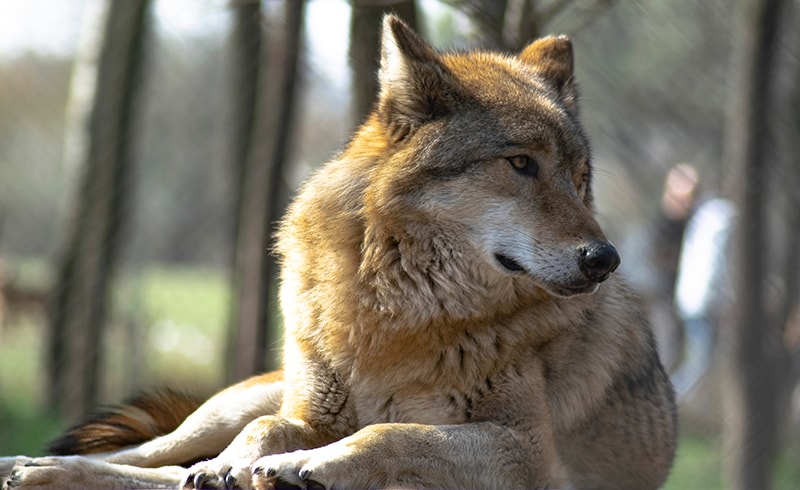
American Indian Dogs have a distinctive "wolfish" appearance with a long, lean, and muscular body. They typically weigh between 30-65 pounds and stand 15-19 inches tall at the shoulder. Some key physical features include:
- Medium length muzzle that‘s slightly shorter than the skull
- Almond-shaped eyes ranging from light amber to dark brown in color
- Upright, slightly rounded ears
- Long neck, deep chest, and tucked-up abdomen
- Straight, long legs
- Bushy tail that hangs down or curves slightly upward
- Dense, weather-resistant double coat that‘s medium in length
- Common coat colors include silver, buff, fawn, white, or black, often with contrasting markings
Personality and Temperament
Bred to be versatile hunting and working dogs, American Indian Dogs are known for their intelligence, athleticism, alertness, and strong prey drive. They tend to be independent thinkers and problem solvers. While generally even-tempered and friendly with their families, they can be aloof with strangers.
These dogs have strong pack instincts and thrive on companionship. They often bond intensely with their owners and may experience separation anxiety if left alone too long. Early and ongoing socialization is important to build confidence and prevent shyness or skittishness in new situations.
American Indian Dogs have a high energy level and need plenty of daily exercise and mental stimulation. They excel at canine sports like agility, tracking, and herding. Their alert nature also makes them excellent watchdogs. Overall, they are sensitive, in-tune dogs that do best with consistent training and leadership.
Training and Socialization
Like many intelligent working breeds, American Indian Dogs need early socialization and obedience training to become well-mannered companions. They can have an independent streak and may test boundaries, especially as adolescents. Patient, positive reinforcement training methods work best – harsh corrections are likely to damage their sensitive nature.
Socialization should begin as early as possible and include exposure to new people, animals, environments, and experiences. Puppy kindergarten and group obedience classes are great ways for American Indian Dogs to build confidence and learn important life skills. Ongoing training throughout their lives will keep their active minds engaged.
Exercise Needs
As a breed developed to tirelessly work all day alongside their native owners, American Indian Dogs have significant exercise requirements to stay physically and mentally satisfied. A good baseline is at least 60-90 minutes per day of walks, hikes, runs, or playtime, broken up into several sessions.
Access to a securely fenced yard is ideal for burning off steam throughout the day. American Indian Dogs have strong instincts to roam and explore, so it‘s crucial they are always kept on-leash or in a fenced area. Their high prey drive may compel them to chase after small animals, so a reliable recall is a must.
In addition to physical exercise, these intelligent dogs need plenty of mental stimulation to prevent boredom and destructive behaviors. Puzzle toys, scent work games, trick training, and challenging canine sports are all great outlets for their active minds.
Grooming and Care
The American Indian Dog‘s dense double coat is fairly low maintenance, needing only weekly brushing to remove loose fur and distribute natural oils. They will "blow" their undercoat twice a year during shedding season, which requires more frequent brushing to manage. Regular nail trims, ear cleanings, and dental care will keep them comfortable and healthy.
Bred to withstand harsh outdoor living conditions, American Indian Dogs are adaptable to both warm and cool climates. They should always have access to shelter from extreme weather. Strenuous exercise should be avoided on very hot days to prevent heatstroke. Some individuals may need a coat or booties in frigid winter weather if they will be spending extended time outdoors.
Health and Lifespan
A naturally robust breed thanks to their ancestral hardiness, American Indian Dogs are generally healthy dogs with few genetic issues. However, like all breeds, they may be prone to certain health conditions, including:
- Hip and elbow dysplasia
- Hypothyroidism
- Bloat (gastric dilation volvulus)
- Epilepsy
- Certain eye disorders
Responsible breeders will screen their stock for common issues. Keeping your American Indian Dog at a healthy weight, providing regular veterinary care, and staying up to date on preventive care like vaccinations and parasite control will help ensure a long, healthy life. The average lifespan is around 12-15 years.
Finding an American Indian Dog
Due to the rarity of the breed, American Indian Dog puppies can be very difficult to find. There are only a handful of breeders in North America dedicated to preserving these unique bloodlines. Interested owners should expect to be put on a waiting list.
The Native American Indian Dog Association (NAIDA) is the official breed club and maintains a Code of Ethics that member breeders agree to follow, including health testing breeding stock, providing a written contract and health guarantee, and committing to lifetime support of their puppies. Consulting the NAIDA breeder directory is a good place to start your search.
Adopting an adult dog is another option to consider, although opportunities are scarce. Very occasionally, an American Indian Dog may end up in a rescue situation if an owner can no longer care for them. Reaching out to NAIDA and letting them know you are interested in adopting is worthwhile. You can also search for mixes or dogs labeled "Native American Indian Dog" in shelters, but confirming their ancestry may be difficult without pedigree information.
Fascinating Facts
-
According to archaeological evidence and accounts from early European explorers, indigenous dogs played important roles in Native American tribes as hunting aids, beasts of burden, guardians, bed warmers, and occasionally, emergency food sources.
-
The oldest dog burial found in North America is over 10,000 years old, suggesting a long history of dogs living alongside Native people. Dogs were sometimes buried alongside their owners, indicating their important place in indigenous societies.
-
Traditional names for indigenous dog breeds varied by tribe and region. The Tahltan Bear Dog and Salish Wool Dog are two extinct breeds developed by Pacific Northwest tribes for specialized purposes.
-
Some anthropologists have suggested that historical and modern reports of "wolves" attacking livestock may have actually been sightings of free-ranging indigenous dog packs that were misidentified.
Similar Breeds
The American Indian Dog is often compared to other primitive and pariah-type dog breeds, including:
-
Carolina Dog: Sometimes called the "American Dingo," this breed originated from wild dogs that lived in isolated regions of the southern U.S. Like American Indian Dogs, they are thought to be largely descended from ancient dogs that crossed the Bering land bridge.
-
New Guinea Singing Dog: An ancient domesticated dog species found in the New Guinea highlands. Their unique vocalizations and physical appearance are remarkably similar to American Indian Dogs, although they are different species.
-
Canaan Dog: An old breed originating in the Middle East that was historically used by Bedouin tribes as herding and guard dogs. They have a similar body type and coloring to American Indian Dogs.
While these breeds share some common ancestry and characteristics, each has its own unique history and traits. The American Indian Dog remains a rare and historically significant breed that captures the spirit and heritage of Native American cultures.

In conclusion, the American Indian Dog is a fascinating breed that embodies the ancient bond between humans and canines. While still quite rare, these intelligent, robust, and devoted dogs make exceptional companions for experienced owners who can meet their physical and mental needs. If you have the opportunity to welcome an American Indian Dog into your life, you will be gaining a living piece of history and a loyal friend for life.