Are Australian Shepherds Good First Dogs? A Vet‘s Perspective
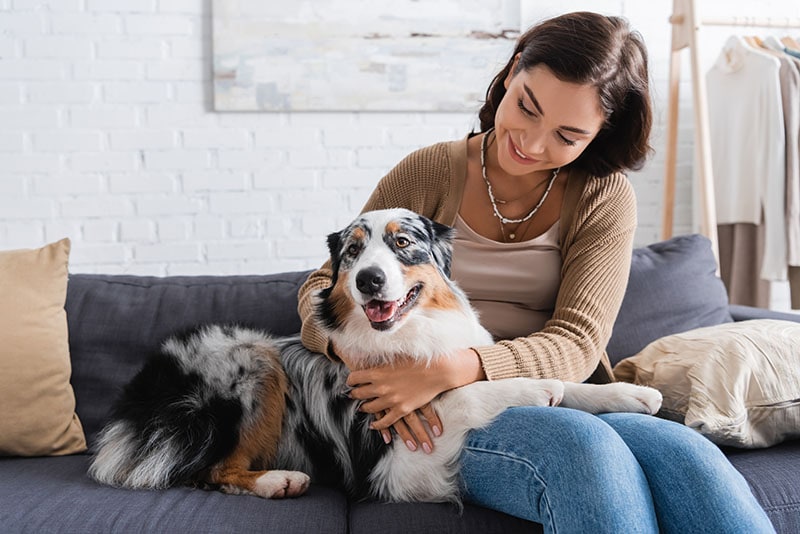
As a veterinarian and lifelong dog lover, I‘m often asked for breed recommendations by first-time owners. One breed that comes up frequently is the Australian Shepherd. With their striking looks, keen intelligence, and devoted personality, it‘s no wonder Aussies have become increasingly popular companions. But are these intense herding dogs really a good choice for novice owners? Let‘s take an in-depth look at the Australian Shepherd breed to find out.
Australian Shepherd Breed Overview
The Australian Shepherd is a medium-sized herding dog originally developed in the western United States to work with livestock. Despite their name, Aussies don‘t actually hail from Australia—they likely descended from Basque herding dogs brought to America in the 1800s.
Appearance and Coat
Australian Shepherds are known for their beautiful, fluffy coats, which come in four main colors:
- Blue merle
- Red merle
- Black
- Red
All colors are typically accompanied by white and/or tan markings. Aussies have medium-length double coats that shed moderately year-round and heavily during shedding season. Regular brushing is a must to keep shedding under control.
According to the American Kennel Club breed standard, male Australian Shepherds stand 20-23 inches tall at the shoulder and weigh 50-65 pounds, while females stand 18-21 inches tall and weigh 40-55 pounds. There are also Miniature and Toy varieties of Aussies, though these are not considered separate breeds.
Temperament and Personality
True to their herding heritage, Australian Shepherds are highly energetic, intelligent, and work-oriented dogs. They are known for forming intense bonds with their owners and being very eager to please. Aussies tend to be reserved and cautious with strangers but are rarely aggressive. They have strong guarding instincts and will often bark to alert their owners of potential threats.
With their families, Australian Shepherds are affectionate, loyal, and playful companions. They typically get along well with children and can be very gentle and patient. However, Aussies may try to herd kids by nipping at their heels, so supervision and training are important.
Exercise Needs: Aussies Require Lots of Activity
One of the most important things for first-time Australian Shepherd owners to understand is just how much exercise this breed needs. Bred to work tirelessly herding sheep over vast distances, Aussies have energy and stamina that far exceed most companion dogs.
Most Australian Shepherds require a minimum of 60-90 minutes of vigorous exercise per day, broken up into multiple sessions. This should include a mix of:
- Long walks or hikes
- Running or jogging
- High-intensity fetch games
- Swimming
- Agility, herding, or other dog sports
In addition to physical exercise, Aussies need plenty of mental stimulation to prevent boredom and destructive behaviors. Food puzzles, nosework games, and obedience training are all great ways to engage their active minds.
Without sufficient exercise and enrichment, Australian Shepherds are prone to developing nuisance behaviors like:
- Excessive barking
- Destructive chewing
- Digging
- Pacing or restlessness
- Rough play biting
- Attempting to herd people or other pets
According to a study published in the journal Animals, herding breeds like Australian Shepherds are significantly more prone to compulsive behaviors than other breed groups, likely due in part to their strong work drive and tendency to become bored and frustrated without a job to do.
So before getting an Aussie, honestly assess whether your lifestyle can accommodate their high exercise needs. "Australian Shepherds thrive with owners who already lead an active lifestyle and are looking for a dog to share in their outdoor adventures," says Karen Smith, a certified professional dog trainer specializing in herding breeds. "They are not a good choice for people who prefer a more sedentary lifestyle or who don‘t have the time or energy to keep up with a high-octane dog."
Training: Commitment and Consistency are Key
In addition to exercise, training is absolutely essential for Australian Shepherds to become safe and well-mannered companions. As highly intelligent dogs, Aussies pick up quickly on new commands and skills—but they can also develop bad habits just as fast without consistent guidance.
Australian Shepherds need early and ongoing socialization to learn to be confident and friendly in a variety of situations. Puppy kindergarten classes are a great way to start exposing them to new people, dogs, sights, and sounds in a safe environment. Look for a positive reinforcement-based trainer who uses rewards like treats and praise to encourage good behavior.
Here are some key training tips for Australian Shepherd owners:
- Start training early, as soon as you bring your Aussie home. Puppies learn quickly but also have short attention spans, so keep sessions brief and fun.
- Use positive reinforcement methods like clicker training to encourage desired behaviors. Avoid punishment-based techniques, which can damage your bond and cause fear or aggression.
- Be consistent with your commands and expectations. Make sure all family members are on the same page to avoid confusing your Aussie.
- Provide plenty of mental stimulation with puzzle toys, nose work, and obedience exercises. A tired brain is a well-behaved brain!
- Teach a solid recall (coming when called) to keep your Aussie safe off-leash. This is especially important for herding breeds with strong chasing instincts.
With their high intelligence and eagerness to please, Australian Shepherds often excel at advanced training like agility, herding trials, and search-and-rescue work. Participating in these activities is a great way to channel their energy and strengthen your bond.
However, Aussies‘ smarts also mean they can outsmart inexperienced owners if given the chance. They may use selective hearing when it‘s inconvenient to obey and push boundaries to see what they can get away with. First-time owners should be prepared to commit significant time and effort to training and may benefit from working with a professional familiar with the breed.
"Consistency is key with Australian Shepherds," says Dr. Sarah Thompson, a veterinarian and owner of three Aussies. "They will constantly test limits, so you need to be firm and clear in your expectations. Positive training methods are a must to harness their natural drive to work with you."
Living Situation: Aussies Need Space and Companionship
Given their high energy and craving for human interaction, Australian Shepherds are not suited for life in small spaces or being left alone for long periods. They do best in homes with securely fenced yards where they can run and play.
Aussies left alone too much may develop separation anxiety or destructive behaviors like excessive chewing and barking. According to a survey by the American Kennel Club, Australian Shepherds rank among the 10 breeds most prone to separation anxiety.
While they can adapt to many living situations with enough exercise and companionship, Aussies generally prefer:
- Homes with a securely fenced yard
- Active households where someone is usually around during the day
- Opportunities to accompany their owners on outings and adventures
- Lots of interaction with their human family members
If you live in an apartment or condo, have a very busy work schedule, or travel frequently, an Australian Shepherd is probably not the ideal breed for your lifestyle. Aussies are happiest when they can be close to their people and have plenty of space to run and play.
Health and Lifespan
Australian Shepherds are generally healthy dogs with a lifespan of 12-15 years, according to the American Kennel Club. However, like all breeds, they are prone to certain hereditary health conditions. The most common health issues seen in Aussies include:
- Hip dysplasia
- Elbow dysplasia
- Cataracts
- Progressive retinal atrophy
- Epilepsy
- Allergies
- Deafness (especially in merle-colored Aussies)
To minimize the risk of inherited health problems, choose an Australian Shepherd puppy from a responsible breeder who performs genetic testing on their breeding dogs and provides health clearances. Avoid breeders who breed for unusual colors or sizes, as these traits can be associated with health issues.
Keeping your Aussie at a healthy weight, providing regular exercise, and staying up-to-date on preventive care like vaccinations and dental cleanings can also help promote a long, healthy life. Be sure to schedule regular check-ups with your veterinarian to catch any potential health concerns early.
Finding a Responsible Australian Shepherd Breeder or Rescue
If you‘ve decided that an Australian Shepherd is the right breed for you, take your time to find a responsible source. Avoid pet stores, online ads, or breeders who always seem to have puppies available, as these are red flags for puppy mills or irresponsible breeding practices.
Here are some tips for finding an ethical Australian Shepherd breeder:
- Look for a breeder who is a member of the Australian Shepherd Club of America (ASCA) and follows the club‘s Code of Ethics.
- Choose a breeder who health tests their breeding dogs for genetic conditions and provides the results to puppy buyers. At a minimum, both parents should have hip and elbow evaluations from the Orthopedic Foundation for Animals (OFA) and eye exams from the Canine Eye Registry Foundation (CERF).
- Ask to see the puppy‘s parents and observe their temperaments. Avoid breeders who won‘t let you meet the parents or visit their facility.
- Look for a breeder who raises puppies in their home and socializes them to a variety of people and situations before sending them to their new homes.
- Be prepared to answer questions about your lifestyle and experience with dogs, as responsible breeders will carefully screen potential homes to ensure their puppies are going to suitable families.
Adopting an Australian Shepherd from a rescue organization is another great option, especially for first-time owners who may prefer a dog with a more predictable temperament. Many Aussies end up in rescues because their high energy and exercise needs are too much for their original owners to handle.
When adopting an Aussie from a rescue, be honest about your lifestyle and what you‘re looking for in a dog. The rescue staff can help match you with an individual dog whose personality and activity level are a good fit for your home.
Conclusion
Australian Shepherds are intelligent, devoted, and highly active dogs who can make wonderful companions for the right owners. With their strong work ethic and boundless energy, Aussies thrive with people who lead active lifestyles and are committed to providing plenty of exercise, training, and companionship.
However, Australian Shepherds‘ high-intensity personalities and demanding physical needs make them a challenging choice for many first-time dog owners. Without enough activity and mental stimulation, Aussies are prone to destructive behaviors and can quickly become too much for novice owners to handle.
If you‘re considering an Australian Shepherd as your first dog, be honest with yourself about whether you have the time, energy, and resources to keep up with this brilliant but demanding breed. If you work long hours, have a very busy lifestyle, or prefer relaxing on the couch to long hikes and training sessions, an Aussie probably isn‘t the ideal match. You may be better off with a lower-key breed like a Golden Retriever, Greyhound, or Cavalier King Charles Spaniel.
On the other hand, if you‘re an experienced dog owner who is looking for a smart, active companion to join you on all your adventures, an Australian Shepherd could be your perfect match. With consistent training, plenty of exercise, and lots of love, Aussies blossom into versatile, affectionate, and deeply loyal partners.
As a veterinarian and Aussie owner myself, I can attest to the rewards of sharing your life with this special breed. My own Aussies have been by my side through thick and thin, from long trail runs to cozy movie nights on the couch. Their boundless enthusiasm and zest for life never fail to bring a smile to my face—even when they track mud all over the kitchen or steal my socks for the umpteenth time.
But I also know firsthand how much work and commitment these dogs require to thrive. My Aussies keep me on my toes both physically and mentally, always ready for the next hike or training challenge. For first-time owners, the demands of the breed can come as a real shock if you‘re not fully prepared.
Ultimately, the decision of whether an Australian Shepherd is the right fit for you is a highly personal one that depends on your unique lifestyle, experience level, and expectations for dog ownership. By educating yourself about the breed‘s needs and being honest about what you can provide, you‘ll be well on your way to choosing the perfect canine companion—whether that‘s an Aussie or another breed entirely. And if you do decide to welcome an Australian Shepherd into your life, get ready for a fun, rewarding, and action-packed journey with one of the smartest, most devoted dogs around.
FAQS About Australian Shepherds
Are Australian Shepherds good with kids?
Australian Shepherds can be great companions for children when well-socialized and trained. They are generally patient and gentle with kids, though they may try to herd them by nipping at their heels. Always supervise interactions between Aussies and young children.
How much grooming do Australian Shepherds need?
Australian Shepherds have thick double coats that shed moderately year-round and heavily during shedding season. Plan to brush your Aussie at least a few times a week to remove loose fur and prevent matting. Regular nail trims and ear cleanings are also important.
Are Australian Shepherds aggressive?
Australian Shepherds are not known for being aggressive, but they do have strong guarding instincts and may be wary of strangers. Proper socialization from a young age is important to help them learn to be confident and discriminating. With their families, Aussies are typically very affectionate and gentle.
How much do Australian Shepherds cost?
The cost of an Australian Shepherd puppy from a responsible breeder typically ranges from $600 to $1,500, depending on factors like the breeder‘s reputation, location, and whether the puppy is pet or show quality. Adopting an adult Aussie from a rescue usually costs $200 to $500, which often includes initial veterinary care and spay/neuter surgery.
Do Australian Shepherds make good apartment dogs?
Due to their high energy and craving for companionship, Australian Shepherds generally do not thrive in apartments or small living spaces. They are much happier in homes with securely fenced yards where they can run and play. Aussies left alone in small spaces for long periods may develop separation anxiety or destructive behaviors.
How long do Australian Shepherds live?
The average lifespan for an Australian Shepherd is 12-15 years. With proper nutrition, regular exercise, and preventive veterinary care, many Aussies live well into their teens. Choosing a puppy from a responsible breeder who health tests their dogs can help ensure your Aussie lives a long, healthy life.
References
- American Kennel Club. (2021). Australian Shepherd. Retrieved from https://www.akc.org/dog-breeds/australian-shepherd/
- Australian Shepherd Club of America. (2021). About the Australian Shepherd. Retrieved from https://asca.org/the-australian-shepherd/about-the-australian-shepherd/
- Smith, K. (2019). The Australian Shepherd: A Guide for Owners. Dogwise Publishing.
- Thompson, S. (2020). Living with an Australian Shepherd: What to Expect. Personal interview.
- Tiira, K., Sulkama, S., & Lohi, H. (2016). Prevalence, comorbidity, and behavioral variation in canine anxiety. Journal of Veterinary Behavior, 16, 36-44. https://doi.org/10.1016/j.jveb.2016.06.008