
Apricot Cockapoo: Facts, Origin & History (With Pictures)

The Adorable Apricot Cockapoo: A Comprehensive Guide
Are you looking for a furry companion that‘s as sweet as can be, with a unique and beautiful coat to boot? Look no further than the apricot Cockapoo! These charming pups have been capturing hearts for decades with their friendly personalities, cute teddy-bear looks, and delightful apricot-colored coats.
In this comprehensive guide, we‘ll explore all aspects of the apricot Cockapoo, from their history and physical traits to their grooming needs and ideal home environment. By the end, you‘ll have a thorough understanding of what makes these dogs so special and be equipped to decide if an apricot Cockapoo is the right match for you.
The History of the Apricot Cockapoo
The Cockapoo is considered one of the first "designer dogs," dating back to the 1960s in the United States. Breeders began intentionally crossing Cocker Spaniels and Poodles with the goal of combining the Cocker Spaniel‘s friendly, affectionate nature with the Poodle‘s intelligence and low-shedding coat.
While the exact origin of apricot Cockapoos is unclear, it‘s likely that this coloration emerged not long after the initial development of the Cockapoo breed. Apricot is a recessive gene in both Cocker Spaniels and Poodles, so producing apricot Cockapoo puppies requires careful selection of breeding pairs carrying this gene.
Over the years, apricot has become one of the most sought-after colors in Cockapoos. Many people are drawn to the warm, soft look of the apricot coat, as well as its relative rarity compared to more common colors like black, brown, and white.
Physical Characteristics of Apricot Cockapoos
Cockapoos come in four size varieties based on the size of the Poodle used in breeding: teacup, toy, miniature, and standard. On average, a full-grown Cockapoo stands 10-15 inches tall and weighs 12-25 pounds, but larger standard Cockapoos can reach 20+ inches and 40+ pounds.
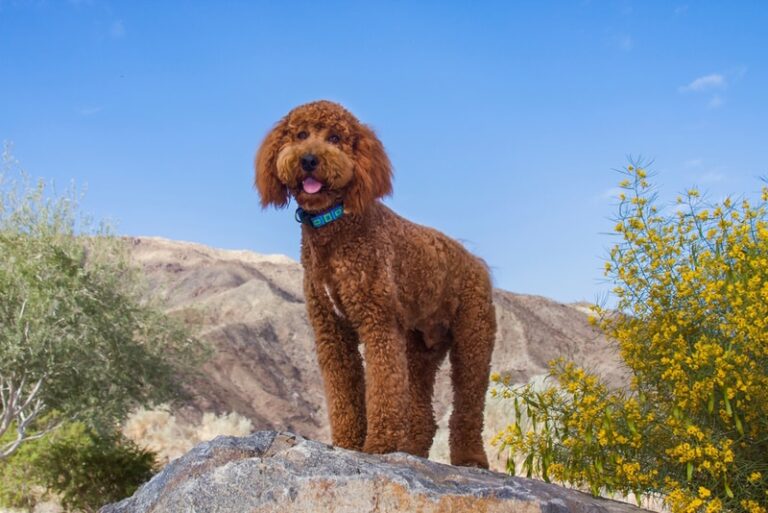
The apricot coloration can range from a light golden hue to a deeper reddish-orange. The coat may be a solid apricot or have some white markings on the chest, feet, or tail tip. Cockapoos can have three coat types: tight curls like a Poodle, loose waves, or a straighter double coat more similar to a Cocker Spaniel. Apricot Cockapoos tend to have wavy or loosely curled coats of medium length.
One thing to note is that a Cockapoo‘s coat color and texture aren‘t always apparent in puppyhood. Some apricot puppies may be born with darker fur that lightens as they age. Conversely, a very light apricot puppy might darken to a richer shade over time. Coat texture can also change from puppy fluff to adult coat around 8-12 months of age.
Other physical traits of apricot Cockapoos include floppy ears, round dark eyes, and a black or brown nose. They have a sturdy, compact build that‘s slightly longer than tall. The muzzle is usually shorter than a Poodle‘s but longer than a Cocker Spaniel‘s, giving these dogs a sweet, teddy-bear look that many find irresistible!
Temperament and Personality
As a crossbreed, Cockapoo temperaments can vary somewhat, but in general, these dogs are known for being smart, affectionate, and highly people-oriented. They bond closely with their families and thrive on attention, cuddles, and positive interaction. Cockapoos are playful and energetic, always up for an adventure or game of fetch.
At the same time, Cockapoos have a sensitive side and don‘t do well if left alone for long periods. They may develop separation anxiety or problem behaviors like excessive barking if their emotional needs aren‘t met. Having another dog in the household or a human companion who‘s home for most of the day is ideal for Cockapoos.
Apricot Cockapoos share the same wonderful personality traits as Cockapoos of other colors. Some breeders and owners claim that apricot Cockapoos are especially gentle and easygoing compared to other varieties, but this is purely anecdotal. Coat color doesn‘t have a proven link to temperament in Cockapoos.
On the whole, Cockapoos are a great fit for all sorts of households, including families with kids, seniors, and first-time dog owners. Their versatility, friendliness, and eagerness to please make them a joy to live with for the right person or family.
Grooming and Care
One of the main draws of apricot Cockapoos is their beautiful, eye-catching coat. But those good looks come with some extra maintenance needs! The curlier the coat, the more grooming it will require to prevent mats and tangles. Even Cockapoos with straighter coats need brushing several times per week, plus regular haircuts every 1-3 months.
Beyond brushing and trimming, apricot Cockapoos also need regular ear cleaning, nail trims, and dental care. Their floppy ears can trap moisture and debris, so weekly ear checks and cleanings with a veterinarian-approved solution are a must. Nail trims should be done every 2-4 weeks, and teeth should be brushed daily if possible.
While Cockapoos are considered a low-shedding and hypoallergenic breed, no dog is truly 100% hypoallergenic. Apricot Cockapoos with curlier Poodle-like coats will shed less than those with straighter Cocker-type coats, but all Cockapoos will lose some hair. Regular brushing and grooming helps minimize shedding and dander.
It‘s also worth noting that apricot Cockapoos, like many lighter-colored dogs, are prone to tear stains. These reddish-brown marks under the eyes are caused by excess tearing and can be stubborn to remove. Wiping the area daily with a damp cloth and keeping the hair trimmed can help control tear stains.
Health Considerations
Cockapoos are generally a hardy, healthy breed with a lifespan of 12-15 years. However, like all dogs, they can be prone to certain genetic health issues. The most common health problems seen in Cockapoos include:
- Patellar luxation (slipping kneecaps)
- Hip dysplasia
- Progressive retinal atrophy (PRA)
- Cataracts
- Allergies
- Ear infections
Many of these issues are inherited from the Cocker Spaniel and Poodle parent breeds. Responsible Cockapoo breeders will screen their breeding stock for genetic disorders and share health clearances with puppy buyers.
Cockapoos can also be prone to obesity, so it‘s important to monitor their diet and keep them at a healthy weight through portion control and regular exercise. Overweight Cockapoos are at higher risk for joint problems, diabetes, and other health issues.
Color doesn‘t have a direct impact on a Cockapoo‘s health, so apricot Cockapoos are no more or less prone to health problems than other coat colors. However, Cockapoos bred mainly for rare colors like apricot may come from less reputable breeders who don‘t prioritize health testing, so it‘s crucial to do your research and choose a responsible breeder committed to breeding healthy dogs.
Finding an Apricot Cockapoo
If you‘ve decided that an apricot Cockapoo is the perfect pup for you, the next step is finding a well-bred, healthy dog from a responsible source. Start by researching Cockapoo breeders in your area or that are willing to ship puppies to your location. Look for breeders who:
- Health test all breeding dogs and provide documentation
- Raise puppies in a clean, enriching environment
- Socialize puppies to many people, places and experiences
- Provide a written contract and health guarantee
- Allow you to visit their facility and meet the parents
- Ask you questions to ensure their puppies go to good homes
Be wary of breeders who always have puppies available, don‘t let you see where their dogs are kept, or can‘t provide health clearances. It‘s also best to avoid pet stores and online ads, as these puppies often come from puppy mills or backyard breeders.
Expect to pay $2000-4000 for a well-bred apricot Cockapoo puppy, and be prepared to join a waitlist, as this color is in high demand. Some breeders may charge more for apricots than other colors due to their rarity.
If you‘re open to a rescue dog, you can also check local shelters and Cockapoo rescue groups for adult or senior apricot Cockapoos in need of homes. Adopting an older dog can be a great way to skip the puppy stage while still getting all the wonderful traits of the breed.
Fun Facts About Apricot Cockapoos
- According to a survey by the Cockapoo Club of America, apricot is the 4th most popular Cockapoo color after black, brown, and white.
- Some famous Cockapoo owners past and present include Lady Gaga, Minka Kelly, Ashley Judd, and Harry Styles.
- Apricot Cockapoos have made a splash on social media, with several Instagram famous pups boasting over 100,000 followers!
- The world‘s oldest Cockapoo, named Toby, lived to be 19 years old. He was a black and white parti Cockapoo.
- While there‘s no official world record, some Cockapoo enthusiasts claim to have bred "the smallest Cockapoo ever" weighing under 2 pounds. However, extremely tiny dogs often have serious health issues, so it‘s best to stick with Cockapoos bred to the standard 12-25 pound size.
Is an Apricot Cockapoo Right For You?
Now that you know all about the adorable apricot Cockapoo, you may be wondering if this is the right breed for your lifestyle. Cockapoos can make wonderful companions for a wide variety of homes, but they‘re not a perfect fit for everyone. An apricot Cockapoo may be a great match if you:
- Want an affectionate, people-oriented dog that will be your constant companion
- Can provide plenty of attention, interaction, and exercise
- Don‘t mind regular grooming and are prepared for some shedding
- Have another dog or someone home during the day to keep the dog company
- Live in a house or apartment with enough space for a 10-25 pound dog
- Are committed to positive training methods and socializing your puppy
On the other hand, an apricot Cockapoo may not be the best choice if you:
- Work long hours away from home or travel frequently
- Don‘t have time for daily exercise and playtime
- Prefer a very low-maintenance coat that only needs occasional brushing
- Want a completely non-shedding and hypoallergenic dog
- Live in a very small space with no access to the outdoors
- Have a very busy, on-the-go lifestyle that doesn‘t leave much time for a dog
Of course, every dog is an individual, and Cockapoos can adapt to many different environments. The key is being honest about what you can provide and choosing a dog that fits your lifestyle. If you think an apricot Cockapoo checks all your boxes, go ahead and start your search for the perfect pup!
Conclusion
The apricot Cockapoo is a charming, good-natured dog with a beautiful, eye-catching coat. As a hybrid of two popular breeds, the Cockapoo combines the best traits of the Cocker Spaniel and Poodle into one adorable package. While apricot Cockapoos require regular grooming and plenty of attention, they repay their owners with a lifetime of love, laughter, and joyful companionship.
Whether you‘re drawn in by their teddy-bear looks, their friendly temperaments, or their unique apricot coloring, these dogs have so much to offer the lucky families that welcome them home. With proper care, training, and socialization, an apricot Cockapoo can thrive in many types of households and bring years of happiness to your life.
So if you‘re ready to add an apricot bundle of joy to your family, start your research, find a responsible breeder, and get ready to fall in love with the wonderful, one-of-a-kind apricot Cockapoo!



)