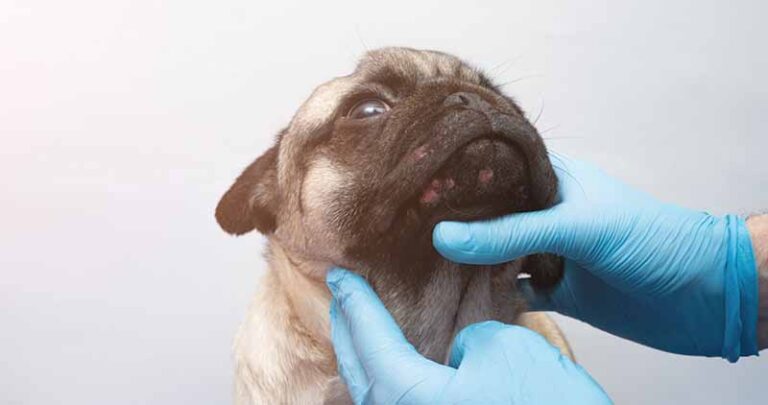
Do Pugs Make Good Pets? An In-Depth Look at the Beloved Breed

Are you considering adding a pug to your family? With their adorable wrinkly faces, big eyes, and charming personalities, it‘s no wonder that pugs have become one of the most popular dog breeds in recent years. As a dog lover and veterinary expert, I‘ve had the pleasure of working with countless pugs and their dedicated owners. In this comprehensive guide, we‘ll explore the history of the breed, their unique characteristics, and the joys and challenges of pug ownership to help you determine if this beloved breed is the right fit for your lifestyle and family.
A Brief History of the Pug Breed
Pugs have a rich and fascinating history that dates back over 2,000 years to ancient China. These small, wrinkly dogs were highly prized by Chinese emperors and were kept as companion animals in royal households. In the 16th century, Dutch traders brought pugs to Europe, where they quickly became popular among royal families and nobility.
The breed‘s popularity continued to grow, and by the 19th century, pugs had become fashionable companions in many European countries, including England, where they were favored by Queen Victoria. Pugs were first introduced to the United States in the late 1800s and have since become one of the most beloved and recognizable dog breeds in the country.
Pug Temperament: Affectionate, Loyal, and Charming
One of the main reasons pugs have captured the hearts of so many dog lovers is their endearing temperament. Pugs are known for their affectionate, loyal, and charming personalities. They thrive on human companionship and form strong bonds with their owners, making them excellent family pets.
Pugs are also known for their love of play and their goofy, mischievous nature. They have a great sense of humor and enjoy being the center of attention, often entertaining their owners with their comical antics. Despite their small size, pugs have big personalities and can be quite confident and outgoing.
While pugs can be a bit stubborn at times, they are generally eager to please their owners and respond well to positive reinforcement training. They are also typically good with children and other pets, making them a great choice for families with young kids or multi-pet households.
Health Concerns: Understanding the Challenges of Brachycephalic Breeds
As much as we love pugs for their adorable faces and charming personalities, it‘s important to be aware of the potential health issues associated with this brachycephalic breed. Due to their flat faces and short snouts, pugs are prone to a variety of health problems that can impact their quality of life and require special care from their owners.
Some common health concerns in pugs include:
-
Brachycephalic Airway Syndrome (BAS): Pugs‘ short snouts and narrow airways can cause breathing difficulties, snoring, and exercise intolerance. In severe cases, surgery may be required to improve their respiratory function.
-
Eye Problems: Pugs‘ large, protruding eyes are prone to injuries, ulcers, and conditions such as cherry eye and progressive retinal atrophy (PRA).
-
Skin Fold Infections: The wrinkles on a pug‘s face can trap moisture and bacteria, leading to skin irritation, infections, and a condition called pyoderma.
-
Orthopedic Issues: Pugs are prone to hip dysplasia, luxating patellas, and other joint problems that can cause pain and mobility issues.
-
Allergies: Many pugs suffer from environmental or food allergies, which can cause skin irritation, itching, and digestive issues.
-
Dental Problems: Pugs‘ small mouths and crowded teeth make them susceptible to dental issues such as tooth decay, gum disease, and tooth loss.
According to a study by the UK Kennel Club, the most common health issues reported in pugs were corneal ulcers (8.7%), ear infections (7.3%), and allergic skin disease (6.8%). The study also found that the median lifespan of pugs was 11 years, which is slightly lower than the average lifespan of other small dog breeds.
As a pug owner, it‘s essential to be prepared for the potential financial and emotional commitment associated with these health issues. Regular check-ups, preventive care, and prompt treatment of any health concerns can help ensure your pug lives a happy and comfortable life.
Finding a Reputable Pug Breeder
If you‘ve decided that a pug is the right dog for you, one of the most important steps is finding a reputable breeder who prioritizes the health and well-being of their dogs. While it may be tempting to purchase a pug from a pet store or online seller, these sources often obtain their puppies from puppy mills or backyard breeders who do not adhere to ethical breeding practices.
A responsible pug breeder will:
-
Perform health tests on their breeding stock to screen for genetic disorders and minimize the risk of inherited health problems in their puppies.
-
Provide health guarantees and documentation of veterinary care for their puppies.
-
Allow potential buyers to visit their facility and meet the parents of the litter to ensure they are well-cared for and have sound temperaments.
-
Ask questions about your lifestyle, experience with dogs, and ability to provide a suitable home for a pug.
-
Be willing to answer your questions and provide guidance on pug care and training.
To find a reputable pug breeder, start by contacting the Pug Dog Club of America (PDCA) or your local pug rescue organization for referrals. The PDCA maintains a list of member breeders who adhere to the club‘s code of ethics and have agreed to follow responsible breeding practices.
The Costs of Pug Ownership
In addition to the initial purchase price of a pug puppy, which can range from $600 to $2,000 depending on the breeder and location, there are several ongoing costs associated with pug ownership. These include:
-
Food and Treats: Pugs require a high-quality, nutritionally balanced diet to maintain their health and prevent obesity. Expect to spend around $30 to $50 per month on food and treats.
-
Grooming Supplies: While pugs have short, smooth coats, they still require regular grooming to keep their skin and wrinkles clean and healthy. Budget for grooming supplies such as wipes, brushes, and shampoo, which can cost around $20 to $50 per month.
-
Veterinary Care: Pugs‘ potential health issues can result in higher veterinary costs compared to other breeds. Regular check-ups, vaccinations, and preventive care can cost several hundred dollars per year, while unexpected medical expenses can quickly add up to thousands of dollars.
-
Training and Socialization: Enrolling your pug in a puppy socialization class or basic obedience training can help ensure they grow up to be well-behaved and well-adjusted dogs. These classes typically cost between $100 and $300.
-
Pet Supplies: Pugs require various supplies such as a bed, crate, leash, collar, toys, and food and water bowls. These initial costs can range from $200 to $500.
According to a survey by the American Pet Products Association (APPA), the average annual cost of owning a dog in the United States is $1,480. However, for pugs, this figure may be higher due to their potential health issues and grooming needs.
Pug Training and Exercise Needs
Like all dogs, pugs require proper training and socialization to become well-behaved and well-adjusted companions. While pugs are intelligent and eager to please, they can also be stubborn at times, making patience and consistency key to successful training.
Positive reinforcement techniques, such as rewarding your pug with treats or praise for good behavior, are highly effective in shaping their manners and obedience. Keep training sessions short and fun to maintain your pug‘s interest and motivation.
Some important training areas for pugs include:
-
House Training: Pugs can be prone to accidents, especially as puppies. Consistent potty training, frequent bathroom breaks, and positive reinforcement can help your pug learn to eliminate outside.
-
Crate Training: Crate training can provide your pug with a safe, comfortable space of their own and aid in house training and behavior management.
-
Basic Obedience: Teaching your pug basic commands such as sit, stay, come, and heel can help establish good manners and improve your bond with your dog.
-
Socialization: Exposing your pug to a variety of people, animals, and environments from a young age can help prevent fear and aggression and ensure they grow up to be confident, well-adjusted dogs.
In terms of exercise, pugs have relatively low activity needs compared to other breeds. Daily walks and playtime can help keep them healthy and prevent obesity, but it‘s important to avoid overexertion, especially in hot weather. Due to their flat faces and short snouts, pugs are prone to overheating and breathing difficulties, so always monitor your pug during exercise and provide plenty of water and rest breaks.
Real-Life Experiences: The Joys and Challenges of Living with Pugs
To provide a balanced perspective on pug ownership, I reached out to several experienced pug owners to share their insights and experiences. Here‘s what they had to say:
"My pug, Gizmo, has been my constant companion for the past 7 years. He‘s always by my side, whether I‘m working from home or relaxing on the couch. Pugs are so loving and loyal, and they have such funny personalities. Gizmo makes me laugh every day with his goofy antics and expressive face. However, I have to be very careful with his diet and exercise, as he‘s prone to obesity and breathing issues. Regular vet check-ups and a strict feeding schedule have been essential in keeping him healthy." – Lisa, pug owner for 7 years
"I adopted my pug, Lucy, from a rescue organization when she was 2 years old. She had some behavioral issues at first, likely due to a lack of socialization and training in her previous home. With patience, consistency, and lots of positive reinforcement, we‘ve made great progress in building her confidence and teaching her good manners. Lucy is now a well-behaved, affectionate companion who brings joy to everyone she meets. However, I have to be diligent about cleaning her wrinkles and monitoring her skin for any signs of infection, as she‘s prone to pyoderma." – Mark, pug owner for 3 years
"My two pugs, Petunia and Pickles, are definitely the clowns of the household. They have such dynamic personalities and keep us entertained with their silly antics. I love how adaptable pugs are – they are happy to go on short walks or can be couch potatoes when needed. They are fantastic with my kids and have never met a lap they didn‘t love. However, potential pug owners should be aware of the significant health issues in the breed. Both of my pugs have required surgeries – Petunia for a luxating patella and Pickles for stenotic nares – which were costly but necessary for their well-being." – Emma, pug owner for 5 years
| Breed | Pug | French Bulldog | Boston Terrier |
|---|---|---|---|
| Size | 14-18 lbs, 10-13 inches | 16-28 lbs, 11-13 inches | 12-25 lbs, 15-17 inches |
| Lifespan | 12-15 years | 10-12 years | 11-13 years |
| Grooming Needs | Moderate | Moderate | Low |
| Exercise Needs | Low | Low to Moderate | Moderate |
| Trainability | Moderate | Moderate | High |
| Health Concerns | BAS, Eye Problems, Skin Fold Infections, Joint Issues | BAS, Skin Allergies, Spinal Disorders, Eye Problems | Eye Problems, Patellar Luxation, Deafness, Skin Allergies |
Table comparing pugs to similar small companion breeds
Conclusion: Is a Pug the Right Dog for You?
Pugs can make wonderful, loving companions for the right individuals or families. Their charming personalities, adaptability, and affectionate nature have earned them a place in the hearts of many dog lovers. However, it‘s crucial to be aware of the potential health issues and financial commitment associated with this brachycephalic breed.
If you‘re prepared to provide your pug with regular grooming, preventive care, and training, and you‘re willing to accommodate their unique needs as a flat-faced breed, a pug may be the perfect addition to your life. By researching the breed, finding a reputable breeder or rescue organization, and being a responsible owner, you can enjoy many happy years with your loyal and loving pug by your side.
As a veterinary expert and dog lover, I encourage potential pug owners to prioritize their dog‘s health and well-being above all else. By providing your pug with a loving home, proper care, and plenty of affection, you‘ll be rewarded with a devoted companion who will bring joy and laughter to your life for years to come.