Are Bull Terriers Hypoallergenic? A Dog Lover‘s Guide to Allergies and Companionship
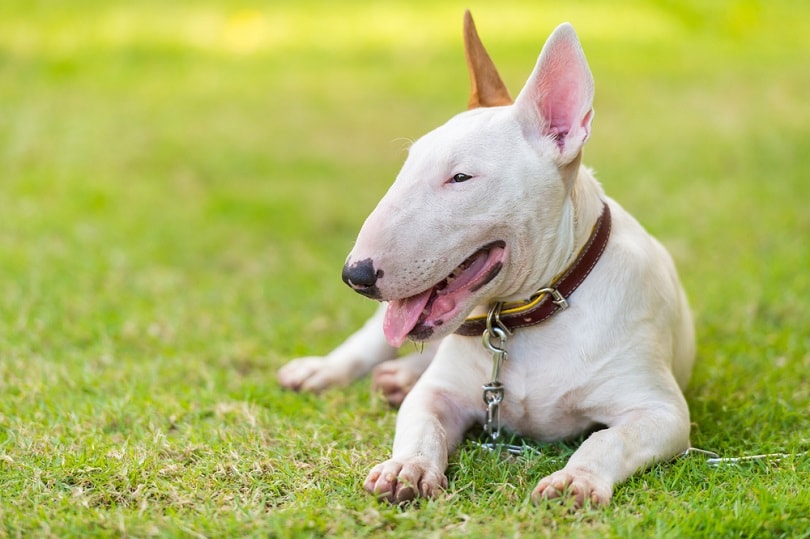
Introduction
For many dog lovers, the joy of having a furry companion is unparalleled. However, for those with allergies, the question of whether a specific breed is hypoallergenic becomes a crucial factor in their decision-making process. Bull Terriers, with their distinctive appearance and lively personalities, are a popular choice among dog enthusiasts. But are they a suitable option for allergy sufferers? In this comprehensive guide, we‘ll delve into the world of Bull Terriers and explore their hypoallergenic status, providing insights and strategies for managing allergies while cherishing the companionship of these beloved dogs.
Understanding Dog Allergens
Before we dive into the specific traits of Bull Terriers, let‘s first understand what causes dog allergies. Contrary to popular belief, it‘s not the dog‘s fur itself that triggers allergic reactions. Instead, the culprits are proteins found in a dog‘s dander (dead skin cells), saliva, and urine. These allergens, known as Can f 1, Can f 2, and so on, are produced by all dogs to varying degrees.
The Can f 1 protein, which is the most significant allergen, is primarily found in a dog‘s saliva and dander. When a dog licks its coat or sheds, these allergens become airborne and can stick to surfaces, triggering allergic reactions in sensitive individuals. The level of allergen production varies among breeds, with some dogs producing more allergens than others.
Bull Terriers and Allergen Production
So, where do Bull Terriers stand in terms of allergen production? Unfortunately, Bull Terriers are not considered a hypoallergenic breed. Despite their short, dense coat, they shed moderately and produce dander, which can spread allergens throughout the home.
According to a study published in the Journal of Allergy and Clinical Immunology, Bull Terriers have a higher level of Can f 1 allergen compared to some other breeds. The study found that the average Can f 1 concentration in Bull Terrier dander was 7.5 μg/g, which is higher than that of Poodles (0.7 μg/g) and Bichon Frises (1.3 μg/g), both of which are considered more hypoallergenic breeds.
Furthermore, Bull Terriers are known to drool, and their saliva also contains allergens that can stick to their coat and skin. When they lick themselves or their owners, they spread these allergens, potentially exacerbating allergic reactions.
Shedding and Grooming Needs
One factor that contributes to the spread of allergens in Bull Terriers is their shedding and grooming needs. While they have short hair, their coat is dense and requires regular grooming to prevent matting and excessive shedding.
Bull Terriers typically shed moderately throughout the year, with seasonal spikes during spring and fall. Regular brushing, at least once a week, is recommended to remove loose fur and dander. A rubber curry brush or a slicker brush can be effective tools for grooming a Bull Terrier‘s coat.
In addition to brushing, occasional bathing with a mild, hypoallergenic shampoo can help keep their coat clean and reduce dander buildup. However, it‘s essential not to bathe them too frequently, as this can strip their coat of natural oils and lead to skin irritation, which may increase dander production.
Managing Allergies with a Bull Terrier
If you have mild to moderate allergies and are determined to share your life with a Bull Terrier, there are several strategies you can employ to minimize allergic reactions:
-
Regular Grooming: Consistent brushing and grooming can help reduce the amount of loose fur and dander in your home. Brush your Bull Terrier outside, if possible, to prevent allergens from spreading indoors. After grooming, wash your hands and change your clothes to minimize contact with allergens.
-
Home Cleaning: Regularly vacuum carpets, upholstery, and pet bedding using a vacuum cleaner with a HEPA filter, which can trap allergens effectively. Steam cleaning or shampooing carpets and upholstery every few months can further reduce allergen levels. Wash your Bull Terrier‘s bedding, toys, and any washable items frequently in hot water.
-
Air Purifiers: Invest in high-quality air purifiers with HEPA filters for your home, especially in rooms where your Bull Terrier spends the most time. These devices can capture airborne allergens and significantly improve indoor air quality. Look for purifiers with a high Clean Air Delivery Rate (CADR) for the best results.
-
Allergy Medications and Immunotherapy: Consult with your allergist about appropriate allergy medications, such as antihistamines or nasal sprays, to manage your symptoms. For more severe allergies, immunotherapy, in the form of allergy shots or sublingual drops, may be recommended. Immunotherapy works by gradually desensitizing your immune system to dog allergens over time.
-
Designated Pet-Free Zones: Create allergen-free spaces in your home, such as bedrooms or specific living areas, where your Bull Terrier is not allowed. This can provide you with a respite from allergens and ensure a more comfortable living environment.
Real-Life Experiences and Breeder Insights
To gain a deeper understanding of living with a Bull Terrier despite allergies, we reached out to several Bull Terrier owners who have successfully managed their allergies. Here are some of their insights:
"I‘ve had allergies all my life, but I couldn‘t resist the charm of Bull Terriers. I make sure to brush my dog regularly, use air purifiers, and take allergy medications as needed. It‘s not always easy, but the love and companionship I receive from my Bull Terrier make it all worthwhile." – Sarah, Bull Terrier owner for 5 years.
"As a breeder, I always encourage potential owners to spend time with our Bull Terriers before making a commitment, especially if they have allergies. While no dog is truly hypoallergenic, some individuals may have milder reactions to certain Bull Terriers. It‘s important to find a compatible match and be prepared to put in the effort to manage allergies." – Mark, experienced Bull Terrier breeder.
The Emotional Benefits of Dog Ownership
Living with allergies can be challenging, but it shouldn‘t deter you from experiencing the joys of dog ownership. Studies have shown that having a dog can provide numerous emotional benefits, including reduced stress, increased happiness, and a sense of companionship.
For allergy sufferers, the key is to find a balance between allergy management and the rewards of having a furry friend. By implementing the strategies discussed in this guide and working closely with your healthcare provider, you can minimize allergic reactions and create a harmonious living environment with your Bull Terrier.
Conclusion
In conclusion, while Bull Terriers are not considered a hypoallergenic breed, with proper management and a commitment to regular grooming and cleaning, it is possible for allergy sufferers to enjoy the companionship of these charismatic dogs. It‘s essential to understand the specific needs and characteristics of Bull Terriers and to consult with your allergist to develop a personalized allergy management plan.
For those with severe allergies or who prefer a more hypoallergenic option, exploring alternative dog breeds or considering the emotional benefits of dog ownership against the challenges of allergy management may be necessary.
Ultimately, the decision to bring a Bull Terrier into your life as an allergy sufferer is a personal one that requires careful consideration and planning. By educating yourself, implementing effective strategies, and cherishing the unconditional love and joy that a dog brings, you can navigate the world of allergies and dog ownership successfully.
Remember, every dog is unique, and individual experiences may vary. It‘s crucial to spend time with a Bull Terrier before making a commitment and to work closely with reputable breeders or rescue organizations to find the perfect match for your lifestyle and allergy needs.
With patience, dedication, and a deep appreciation for the incredible bond between humans and dogs, allergy sufferers can experience the profound happiness and companionship that comes with sharing their lives with a beloved Bull Terrier.
Sources
- Satyaraj, E., et al. (2019). Dispelling myths and misconceptions about pet allergens. Veterinary Sciences, 6(3), 81. https://doi.org/10.3390/vetsci6030081
- Vredegoor, D. W., et al. (2012). Can f 1 levels in hair and homes of different dog breeds: Lack of evidence to describe any dog breed as hypoallergenic. Journal of Allergy and Clinical Immunology, 130(4), 904-909. https://doi.org/10.1016/j.jaci.2012.05.013
- Butt, A., et al. (2012). Do hypoallergenic cats and dogs exist? Annals of Allergy, Asthma & Immunology, 108(2), 74-76. https://doi.org/10.1016/j.anai.2011.12.005
- American Kennel Club. (2021). Bull Terrier. https://www.akc.org/dog-breeds/bull-terrier/
- Asthma and Allergy Foundation of America. (2021). Pet Allergy: Are You Allergic to Dogs or Cats? https://www.aafa.org/pet-dog-cat-allergies/