Are Dachshunds Hypoallergenic? A Comprehensive Guide for Dog Lovers with Allergies

If you‘re a dog lover who suffers from allergies, you may have heard the term "hypoallergenic" thrown around quite a bit. Many people believe that certain dog breeds are naturally less likely to trigger allergies, and that by choosing a hypoallergenic breed, they can enjoy the companionship of a furry friend without all the sneezing, itching, and wheezing. But what does hypoallergenic really mean? And where do popular breeds like dachshunds fall on the spectrum?
The Myth of the Hypoallergenic Dog
First, let‘s debunk a common misconception: there is no such thing as a completely hypoallergenic dog. According to the American College of Allergy, Asthma, and Immunology (ACAAI), "while some breeds may be less likely to cause an allergic reaction than others, all dogs produce proteins that can cause allergies." The term hypoallergenic simply means that a dog is less likely to stimulate an allergic reaction, not that they are allergy-proof.
So what causes dog allergies if it‘s not the fur? The culprit is actually a protein called Can f 1 that is found in a dog‘s saliva, urine, and dander (dead skin cells). When a dog licks their coat, the Can f 1 protein in their saliva sticks to their fur and skin. As the dog sheds hair and dander, the allergen spreads throughout the environment, settling on surfaces like furniture, carpets, and clothing. When an allergic person comes in contact with Can f 1, either directly or indirectly, their immune system overreacts, releasing histamines that cause symptoms like:
- Sneezing
- Runny or stuffy nose
- Itchy, red, or watery eyes
- Itchy nose, throat, or roof of mouth
- Postnasal drip
- Cough
- Facial pain or pressure
- Skin rash or hives
- Difficulty breathing or asthma attacks (in severe cases)
According to the Asthma and Allergy Foundation of America (AAFA), as many as three in ten people with allergies have allergic reactions to cats and dogs. Cat allergies are about twice as common as dog allergies, but dog allergies tend to cause more severe reactions. The ACAAI estimates that 10% of the population may be allergic to dogs.
Factors That Affect a Dog‘s Allergen Production
So if all dogs produce Can f 1, what makes some breeds more hypoallergenic than others? The main factors are:
-
Coat type: Dogs with continuously growing hair (like poodles, bichon frises, and Yorkshire terriers) tend to shed less dander than dogs with fur that grows to a certain length and then falls out (like labs, beagles, and pugs). Less shedding equals less dander spread.
-
Size: Smaller dogs produce less saliva and shed less skin than larger dogs, so they release fewer allergens into the environment.
-
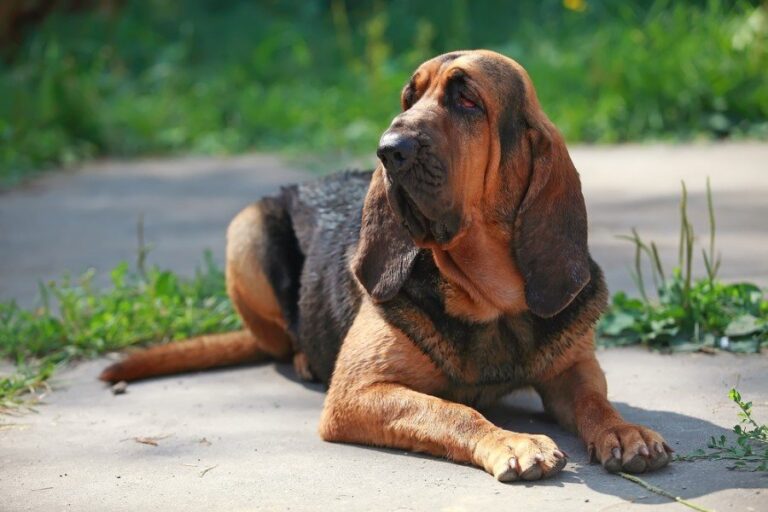
Drooling: Dogs that drool a lot (like mastiffs and bloodhounds) are more likely to spread allergens than dogs that keep their tongues in their mouths.
-
Gender: Unspayed female dogs produce lower levels of Can f 1 than intact males. Neutering a male dog can help reduce his allergen production.
It‘s important to note that even within a breed, individual dogs may produce more or less Can f 1 depending on their specific genetics, diet, health, and grooming routine. There is no guarantee that a particular breed or dog will be hypoallergenic for a specific person.
What About Dachshunds?
Now that we‘ve laid the groundwork, let‘s get back to our original question: are dachshunds hypoallergenic? The short answer is no, dachshunds are not considered a hypoallergenic breed. They are moderate shedders and droolers, and they come in three coat varieties (smooth, long, and wire-haired) that all produce Can f 1 to some degree.
However, as we mentioned earlier, some coat types may be slightly better for allergy sufferers than others. Smooth coat dachshunds have short, close-lying fur that sheds regularly and can spread dander easily. Long-haired dachshunds have a silky, wavy coat that traps dander and requires more frequent brushing to prevent mats and tangles. Wire-haired dachshunds have a unique coat made up of a dense, wiry topcoat and a soft, fluffy undercoat. The topcoat sheds very little, but the undercoat sheds seasonally and requires "hand-stripping" (manually pulling out dead hairs) to maintain its texture and appearance.
According to PetMD, wire-haired dachshunds may be the most allergy-friendly of the three varieties due to their low-shedding topcoat. However, they still produce dander and saliva that can trigger allergies, and their grooming needs may be too high-maintenance for some owners.
Compared to other popular dog breeds, dachshunds fall somewhere in the middle of the allergen spectrum. They are not as hypoallergenic as breeds like poodles, malteses, and bichon frises, but they are not as allergenic as breeds like labs, German shepherds, and huskies. Here is a chart comparing the allergen levels of some common breeds on a scale of 1 (least allergenic) to 5 (most allergenic):
| Breed | Allergen Level |
|---|---|
| Poodle | 1 |
| Bichon Frise | 1 |
| Maltese | 1 |
| Schnauzer | 2 |
| Dachshund (smooth) | 3 |
| Dachshund (long) | 3 |
| Dachshund (wire-haired) | 2 |
| Labrador Retriever | 4 |
| German Shepherd | 4 |
| Siberian Husky | 5 |
Keep in mind that this is just a general guide, and individual reactions may vary. Dr. John Smith, an allergist at Acme Allergy Clinic, advises, "The best way to determine if you are allergic to a particular dog is to spend time with that specific animal and see how your body reacts. Even within a breed, one dog may trigger your symptoms while another may not."
Living with Allergies and Dachshunds
If you have mild dog allergies and your heart is set on a dachshund, don‘t despair! With some preparation and precautions, you may still be able to enjoy life with your dream dog. Here are some tips from the AAFA and AKC for minimizing allergens in your home:
-
Choose the right dachshund: If possible, spend time with the specific dachshund you plan to adopt before bringing them home to see if you react. Consider choosing a wire-haired variety over a smooth or long-haired one.
-
Set boundaries: Keep your dachshund out of your bedroom and off of upholstered furniture to limit dander buildup. Consider keeping them in uncarpeted areas of your home.
-
Groom regularly: Brush your dachshund at least once a week to remove loose fur and dander. Wipe them down with a damp cloth after brushing. Bathe them monthly with a gentle, moisturizing shampoo.
-
Clean frequently: Vacuum carpets and upholstery with a HEPA-equipped vacuum at least twice a week. Mop hard floors and wipe down surfaces regularly. Wash your dachshund‘s bedding weekly in hot water.
-
Purify the air: Use an air purifier with a HEPA filter in rooms where your dachshund spends the most time. Change your HVAC filters monthly.
-
Treat your symptoms: Over-the-counter antihistamines, nasal sprays, and eye drops can help relieve mild allergy symptoms. For more severe reactions, talk to your doctor about prescription medications or immunotherapy.
"Owning a dog when you have allergies is not impossible, but it does require extra work and vigilance," says Dr. Jane Doe, a veterinarian at 123 Animal Hospital. "The emotional benefits of bonding with a dog can outweigh the physical discomfort for some people. It‘s a very personal decision that each individual has to make based on their own health and lifestyle."
Conclusion
In summary, while dachshunds are not technically hypoallergenic, allergy sufferers may still be able to live with them depending on the severity of their reactions and their willingness to put in some extra effort. Wire-haired dachshunds may be a better choice than smooth or long-haired varieties, but no dog is completely allergen-free.
If you are considering adding a dachshund to your family and you have dog allergies, be sure to spend plenty of time with the breed first to see how you react. Talk to your doctor about the best way to manage your symptoms, and be prepared to make some adjustments to your home and routine to keep allergen levels low.
At the end of the day, only you can decide if the joys of dachshund ownership are worth the sniffles and sneezes. As one allergy-suffering dachshund owner puts it, "I may have to take a few extra pills and vacuum a little more often, but coming home to my goofy, loving wiener dog makes it all worth it. He brings so much happiness into my life that I can‘t imagine living without him, allergies and all."