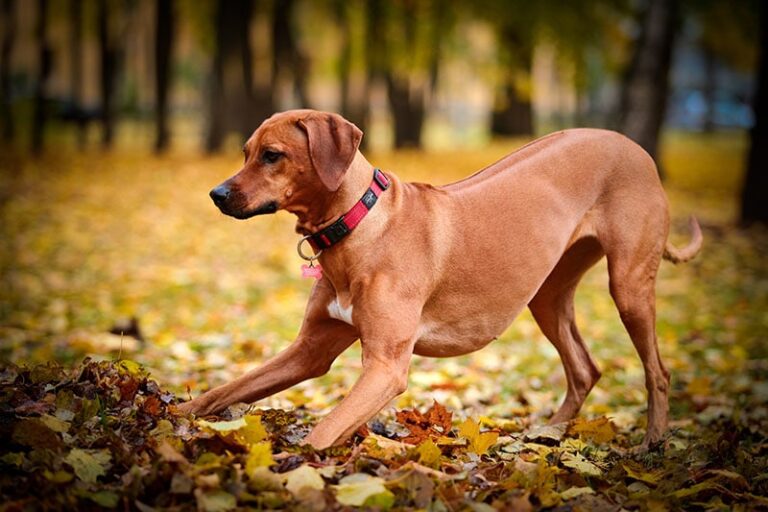
Are Dobermans Good for First-Time Dog Owners? Read Before You Get One!

Are Doberman Pinschers Good for First-Time Dog Owners? What You Need to Know
If you‘re considering getting your first dog, you may be drawn to the sleek, regal look and loyal reputation of the Doberman Pinscher. But are these magnificent dogs a good choice for novice owners? As a veterinarian and lifelong dog lover, I‘ll walk you through the key things you need to know about the Doberman breed before deciding if it‘s the right fit for your lifestyle and experience level.
A Brief History of the Doberman
The Doberman Pinscher originated in Germany around 1890, when a tax collector named Karl Friedrich Louis Dobermann sought to develop the ideal guard dog to protect him during his rounds. He crossed various breeds including the Rottweiler, Black and Tan Terrier, and German Pinscher, aiming for a medium-sized dog that was alert, loyal, and intimidating.
The Doberman quickly gained a reputation as an excellent police and military dog. During World War II, the U.S. Marine Corps adopted the Doberman as its official war dog. Today, Dobermans still work as police and guard dogs, but have also transitioned into family companions, show dogs, and competitors in various dog sports like obedience and agility.
Doberman Temperament and Personality
Dobermans are known for their intelligence, confidence, and loyalty. When raised properly, they are affectionate and dedicated companions who are patient with children and protective of their families. They are highly alert and will quickly react to anything they perceive as a threat, making them excellent watchdogs.
However, Dobermans are often stereotyped as aggressive or vicious. Poor breeding, lack of socialization, and irresponsible ownership can lead to unstable, dangerous dogs that strengthen this negative image. In reality, a well-bred, properly raised and trained Doberman should never be randomly aggressive toward people or other dogs.
These dogs thrive on human companionship and do poorly if left alone for long periods. They are sensitive and responsive to their owners‘ moods and have a strong desire to please. Dobermans have a goofy, playful side with their families but are often aloof and standoffish toward strangers.
Intelligence and Trainability
Stanley Coren‘s book The Intelligence of Dogs ranks the Doberman as the 5th smartest dog breed based on obedience command trainability. Their intelligence and eagerness to please can make them very easy to train in the right hands. However, this is a thinking breed that quickly becomes bored by repetitive drilling. They excel with positive reinforcement training methods and need a variety of mentally stimulating activities.
A Doberman‘s intelligence also means they can be master manipulators. They will constantly test boundaries to see what they can get away with. Owners need to be firm and consistent with the rules. This is not a breed that will be content lounging on the couch all day while you‘re at work. Bored, under-stimulated Dobermans are prone to destructive behaviors and excessive vocalization (you may be surprised to learn these sleek dogs can be quite talkative!).
Exercise Needs and Energy Level
Dobermans were developed as working dogs and have impressive stamina and athletic ability. They need extensive daily exercise to stay happy and keep out of mischief. A short leash walk around the block is not enough to meet their needs.
Expect to provide a bare minimum of one hour of exercise per day, but active adults will enjoy two or more. In addition to on-leash walks or jogs, Dobermans need chances to run and play freely in a securely fenced area. Participating in canine sports like obedience, agility, tracking, flyball, or Schutzhund (protection work) is an excellent way to provide both physical and mental stimulation.
While Dobermans can adapt to apartment living if given enough exercise and enrichment, a home with a large securely fenced yard is ideal. They have strong prey drive, so a reliable recall is essential and they may not be trustworthy off-leash. Underground electronic fencing is not recommended for this breed, as their desire to chase can easily override the deterrent.
Potential Challenges for First-Time Owners
The Doberman‘s intelligence, energy, and power can make them challenging for first-time dog owners. They are extremely strong for their size with a muscular build, deep chest, and tremendous bite force. An untrained adult Doberman dragging you down the street in pursuit of a squirrel is a very real possibility. Dobermans can also be prone to leash reactivity, especially if not properly socialized.
This dominant breed needs an owner who is naturally assertive and not intimidated by a powerful dog. Rules and boundaries must be established early and owners cannot be wishy-washy or let the dog call the shots. First-time owners may be better off with a "softer" breed like a Golden Retriever that is less likely to push the boundaries.
Socialization and Training Requirements
Because Dobermans are naturally suspicious and protective, extensive socialization from an early age is critical. From the time they come home, Doberman puppies should be positively exposed to a wide variety of people, animals, places, and situations. Well-run puppy kindergarten classes are highly recommended to learn proper dog social skills and build confidence.
Dobermans are very in tune with their owners and can pick up on anxious or fearful body language. It‘s important that the owner projects a calm, assertive demeanor so the dog understands there is no threat. Investing in training with a reputable professional who understands the breed is worthwhile, especially for novice owners.
With their intelligence and enthusiasm, Dobermans typically excel in obedience training when positive reinforcement methods are used. Repetitive drills and heavy-handed corrections are likely to backfire and erode the dog‘s trust. Dobermans have long memories, so it‘s important to build a foundation of good experiences.
Grooming and Maintenance
While Dobermans have short, sleek coats, they are actually moderately high maintenance in the grooming department. They shed considerably and need frequent brushing to keep loose hair under control. They also require regular nail trims, ear cleaning, and tooth brushing. Taking care of these needs can get expensive if you rely on professional groomers.
Many Dobermans have very sensitive skin and are prone to contact allergies and irritation. Special dietary considerations and/or medicated baths may be required. Some owners choose to put sunscreen on their Doberman‘s short muzzle to prevent burning. These are not "wash and wear" dogs.
Health Concerns
Unfortunately, Dobermans are not the healthiest breed. They are prone to several serious genetic conditions that all potential owners need to be aware of, including:
-
Dilated cardiomyopathy (DCM): This heart condition is prevalent in Dobermans, affecting up to 40% of the breed. DCM can cause sudden death and a genetic test is available.
-
Hip dysplasia: Many Dobermans suffer from malformed hip joints that lead to pain and mobility issues. Responsible breeders screen for this.
-
von Willebrand‘s disease (vWD): This is an inherited bleeding disorder similar to hemophilia in humans. A genetic test is available.
-
Cervical vertebral instability (CVI): Also called "Wobbler Syndrome," this neurological condition affects the neck vertebrae and causes an unsteady gait.
-
Chronic active hepatitis (CAH): Dobermans are more prone to this inflammatory liver condition than other breeds. It can be managed but not cured.
-
Prostatic disease: Male Dobermans have a very high incidence of benign prostatic hyperplasia (BPH), which can be hormonally influenced and may require neutering.
Careful selection of a responsible breeder who performs genetic testing is crucial. As a large breed dog, Dobermans are also prone to bloat/gastric dilatation and volvulus (GDV). This is an emergency situation where the stomach fills with air and twists on itself. It can be fatal within hours if not surgically corrected.
When a Doberman Might Work for a First-Time Owner
While Dobermans are often not recommended for novice owners, there are some circumstances where they can be a successful first dog:
-
You have experience with other large, powerful breeds like German Shepherds or Rottweilers and understand the training commitment involved.
-
You are able to provide plenty of daily exercise and mental stimulation. Working from home or having a very active lifestyle is ideal.
-
You are naturally assertive and not intimidated by a strong-willed dog.
-
You have access to professional positive reinforcement training and are committed to proper socialization from puppyhood.
-
You have researched the potential health issues in the breed and are financially prepared for unexpected veterinary expenses.
-
You will be a firm, consistent leader without resorting to harsh physical corrections or an overbearing demeanor.
Alternative Breeds to Consider
If you‘re not sure a Doberman is the right choice for your first dog, there are many other wonderful breeds that tend to be a little more forgiving of novice mistakes. Some good options for first-time owners include:
- Golden Retrievers
- Labrador Retrievers
- Greyhounds
- Poodles (miniature or standard)
- Corgis (Pembroke or Cardigan)
- Cavalier King Charles Spaniels
- Brittanys
- Bichon Frises
- Pugs
- Boston Terriers
Of course, all dogs are individuals and there are exceptions within every breed. The key is being realistic about the time, effort, and financial commitment you can make to your new dog and choosing a breed that fits your lifestyle.
How to Decide If a Doberman Is Right for You
If you‘ve gotten this far and are still interested in a Doberman as your first dog, congratulations! You‘ve already taken the important first step of thoroughly researching the breed. To further decide if a Doberman is the right fit:
-
Spend time with adult Dobermans. Don‘t just rely on puppy cuteness. Ask breeders or owners if you can meet their adult dogs to get a realistic picture of the breed.
-
Evaluate your lifestyle. Be honest about how much exercise and mental stimulation you can provide. Dobermans are not couch potatoes and a walk around the block won‘t cut it.
-
Consider the grooming needs. Short hair doesn‘t mean low maintenance. Regular brushing, ear cleaning, dental care and potential skin issues are par for the course with this breed.
-
Assess your training skills. Are you naturally assertive and consistent? Will you commit to positive reinforcement training and not give up if your strong-willed Dobie challenges you?
-
Prepare financially. Dobermans are prone to expensive health issues. Signing up for pet insurance from day one is highly recommended. You may also need to budget for a dog walker, doggy daycare, or professional grooming.
-
Research breeders extensively. Avoid impulsively buying the first cute Doberman puppy you find online. Responsible breeders perform genetic health testing and extensively socialize their pups. They should allow you to meet the parent dogs and ask detailed questions about health, temperament, and what they‘re doing to improve the breed.
-
Consider rescue. If a puppy seems like too much to take on, adopting an adult Doberman from a reputable rescue group can be very rewarding. Temperament evaluations and training are often already done for you.
The Doberman Pinscher is a magnificent breed with a well-deserved reputation for intelligence, loyalty, and athletic prowess. While they can be challenging for novice owners, with commitment, consistency, and a sense of humor, a Doberman can be a deeply rewarding first dog in the right home.