The Schnekingese: A Delightful Designer Dog with a Big Personality

If you‘re looking for a small dog with a huge personality, the Schnekingese may be your perfect match. This adorable designer breed is a cross between the regal Pekingese and the lively Miniature Schnauzer, inheriting some of the best traits from both parents. With their affectionate nature, entertaining antics, and cute scruffy face, the Schnekingese is quickly capturing the hearts of dog lovers everywhere.
Whether you‘re already smitten with this merry mixed breed or are considering adding one to your family, read on to learn everything you need to know about the charismatic Schnekingese. From their physical characteristics and temperament to their exercise needs and health concerns, we‘ll cover all the essential information to help you decide if this delightful dog is right for you.
Breed Overview
The Schnekingese is a relatively new hybrid dog breed developed by crossing a purebred Pekingese with a purebred Miniature Schnauzer. The result is a small-to-medium sized dog with a big heart and an even bigger personality. Here‘s a quick snapshot of the Schnekingese:
| Trait | Description |
|---|---|
| Size | 10-20 pounds, 10-14 inches tall |
| Coat | Can be long and silky like the Pekingese or short and wiry like the Schnauzer; common colors include black, white, gray, and tan |
| Lifespan | 12-15 years |
| Temperament | Lively, affectionate, intelligent, alert |
| Energy Level | Medium to high |
| Ideal For | Active adult owners or families with older children; homes with securely fenced outdoor space |
Physical Characteristics
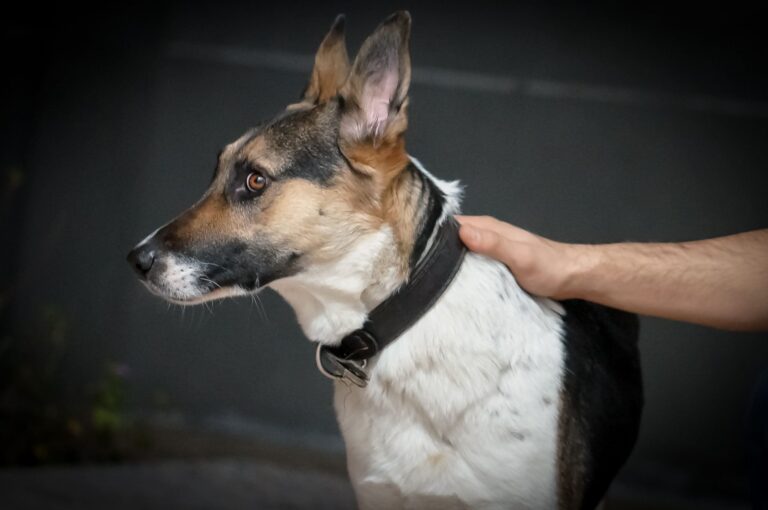
Since the Schnekingese is a mix of two distinct breeds, their appearance can vary quite a bit from dog to dog. Some may more closely resemble their Pekingese parent with a flatter face, shorter legs, and a longer coat. Others may take after the Miniature Schnauzer side with longer legs, a more proportional muzzle, and a shorter, wiry coat.
In general, the Schnekingese will have a sturdy, compact body, triangle-shaped ears that stand erect, and an endearingly scruffy face. Their coats can range from medium to long in length with either a soft and silky or rough and wiry texture. The most common coat colors are black, white, gray, and shades of tan, fawn, or red – often with markings or patterns.
Schnekingese who inherit the Pekingese‘s longer, silkier coat will need more frequent brushing to prevent tangles and mats, as well as the occasional bath or trip to the groomer. Those with a shorter, wiry coat more like the Miniature Schnauzer will have lower maintenance grooming needs, though hand-stripping the coat a few times a year can help maintain its texture and appearance.
Regardless of coat type, it‘s important to brush your Schnekingese‘s teeth regularly and keep their nails trimmed short to prevent dental issues and discomfort. Their ears should also be checked weekly for any signs of infection like redness, discharge, or odor and cleaned gently as needed.
Temperament and Personality
The Schnekingese is known for being an incredibly affectionate and happy-go-lucky companion. They absolutely adore their humans and love nothing more than being by your side, whether that‘s snuggling on the couch or going on adventures. In fact, they thrive on attention and can develop separation anxiety if left alone for long periods, so they do best with owners who are home often.
As a mix of two alert and energetic breeds, the Schnekingese tends to be quite lively and playful. They‘re always up for a game of fetch or a romp around the yard and have a mischievous streak that keeps life interesting. Mental stimulation through puzzle toys and interactive games is just as important as physical exercise to keep their bright minds engaged.
True to their Pekingese and Schnauzer heritage, the Schnekingese has a bold, feisty spirit wrapped up in a pint-sized package. They have no concept of their small stature and will confidently stand up to much bigger dogs if they feel challenged. Early and ongoing socialization is a must to nurture their friendliness and teach them to play nice with people and other pets.
"Small dog syndrome is common among tiny breeds with big personalities, like the Schnekingese. Proper training and socialization from puppyhood is key to preventing a Napoleon complex and ensuring your pint-sized pup is a polite member of society," says renowned dog trainer Victoria Stilwell.
The Schnekingese also has an independent nature and can be quite stubborn at times, selectively ignoring commands if something more exciting has grabbed their attention. They need a firm and consistent leader to show them who‘s boss, but harsh corrections will only damage their trust in you. Positive reinforcement training methods that rely on praise, play, and high-value treats work best to harness their eagerness to please and promote good manners.
One thing to note is that the Schnekingese can be quite vocal, as both the Pekingese and Miniature Schnauzer are known to be barkers. They‘ll bark to alert you of anything suspicious, but they may also bark simply for the joy of hearing their own voice – or because you‘re taking too long to toss their favorite toy. Training can help curb excessive barking, but a completely silent Schnekingese is unlikely.
Perhaps the most important thing to be aware of is the Schnekingese‘s extremely high prey drive. The Miniature Schnauzer was bred to hunt vermin, so the instinct to chase anything small and furry that moves quickly is deeply ingrained. The Schnekingese must be kept on a leash or in a securely fenced area at all times, as they will take off after squirrels, rabbits, and even cats or other dogs if given the chance.
For this reason, the Schnekingese is not the ideal pet for homes with pocket pets like hamsters, gerbils, or guinea pigs, nor homes with cats unless they‘ve been raised with them from puppyhood. They can do well with other dogs but tend to prefer being the solo star of the show.
Exercise and Living Requirements
The Schnekingese has a moderate to high energy level and needs daily exercise to stay physically and mentally healthy. A good 30-60 minutes per day of brisk walking, jogging, playing, or swimming should suffice, broken up into a couple sessions. They‘ll also benefit greatly from having a safely enclosed yard to zoom around in for added activity, but make sure your fence is secure, as they may try to dig under or squeeze through small gaps to follow an enticing scent.
Participating in canine sports like agility, rally, or Earthdog trials (which test instinctive hunting behaviors) can be fantastic outlets for the Schnekingese‘s energy and help strengthen your bond through teamwork. Puzzle toys, games of hide-and-seek around the house, and basic nose work are other fun ways to challenge their body and mind, preventing destructive boredom behaviors.
While the Schnekingese is adaptable and can thrive in an apartment if sufficiently exercised, they‘re best suited for homes with a small securely fenced yard at minimum to accommodate their love of outdoor exploration. They can be sensitive to extreme heat and cold due to their Pekingese ancestry and small size, so outdoor play sessions should be kept brief in very hot or chilly weather. The Schnekingese is very much an indoor companion dog and should never be left outside for long periods or without shelter and supervision.
A 2020 survey of 1,200 Pekingese and Miniature Schnauzer owners found that 78% felt a home with a fenced yard was essential for their dog‘s happiness and well-being. "No matter how much you exercise them with walks and play sessions, there‘s nothing quite like having a safe outdoor space for small prey-driven breeds like these to stretch their legs and indulge their curiosity at their own pace," notes canine behaviorist Dr. Patricia McConnell.
Despite their small stature, the Schnekingese has a surprisingly big bark and keen watchdog instincts. They‘ll diligently alert you to anyone approaching your home or anything unusual, making them a great little protector. Just know that their guarding tendencies combined with their vocal nature means they may not be the best fit for apartment dwellers or those with noise-sensitive neighbors in close proximity, unless you‘re committed to curbing nuisance barking from day one.
Training and Socialization
Early socialization and training are absolutely critical for the Schnekingese to grow into a well-adjusted, well-behaved dog. Thorough exposure to all sorts of new people, animals, environments, and experiences from a young age will help them develop into a confident adult. Puppy classes led by a certified positive reinforcement trainer are an excellent way to jumpstart your Schnekingese‘s education.
The Schnekingese is intelligent and generally eager to please, so they usually take quite well to training. The key is to start early, be consistent with your rules and expectations, and rely on force-free methods like praise, play, and high-value treats to reward desired behaviors and promote a strong bond. Keep training sessions short and upbeat, ending on a high note before your Schnekingese gets bored or frustrated.
That said, the Schnekingese can also have an independent or even defiant streak, conveniently developing selective hearing when something more appealing like a bouncing ball or scampering squirrel grabs their attention. Having a strong rapport and being more exciting and rewarding than competing motivators is the secret to holding your Schnekingese‘s focus even with distractions.
"Schnekingeses are whip smart but they bore easily, so training sessions should be short, fun, and filled with their favorite rewards. Once they‘ve got the basics down, keep them engaged by teaching silly tricks and games alongside the essentials to maintain training momentum," advises certified dog trainer Denise Fenzi.
Leash training is a non-negotiable for the Schnekingese given their propensity to dart off after prey or appealing smells. Work on teaching a reliable recall and loose leash walking skills from puppyhood, rewarding any attention on you when out and about. Some Schenkingese may take to a harness more readily than a collar.
Only let your Schnekingese off-leash in securely fenced areas when they have a rock solid recall, and consider keeping a GPS tracker attached to their collar for extra peace of mind in case they do make a break for it after a squirrel. No matter how well-trained they are, the Schnekingese should never be allowed to roam unsupervised due to their prey drive and potential to get into trouble.
Health and Longevity
The Schnekingese is generally a hardy little dog with a lifespan of 12-15 years on average, but there are a few health issues they may be prone to based on their parent breeds. Potential problems to be aware of include:
- Dental disease
- Luxating patellas (slipping kneecaps)
- Eye issues like cataracts, corneal ulcers, and dry eye
- Respiratory problems like allergies and reverse sneezing
- Skin problems like allergies and sebaceous adenitis (in Schnauzers)
- Legg-Calve-Perthes disease (hip joint degeneration)
Of course, not every Schnekingese will develop these issues, but it‘s important to be aware of the risks. Choosing a puppy from health-tested parents and scheduling regular veterinary checks can help prevent or catch any problems early. Annual dental cleanings, keeping your Schnekingese at a healthy weight, and feeding a high-quality diet can also have a big impact on their health and longevity.
Veterinarians recommend feeding a Schnekingese puppy a high-quality dry puppy food formulated for small breeds with 22-32% protein and 10-25% fat, in 3-4 small meals per day. Adults can transition to 2 meals per day of a small breed adult formula with similar protein and slightly less fat. The average Schnekingese needs roughly 350-500 calories per day depending on their size and activity level.
A 2019 analysis of pet insurance claims by the North American Pet Health Insurance Association found that mixed breed dogs are actually less likely than purebreds to suffer from genetic disorders. But it‘s still good to be informed about what a certain mix could potentially inherit based on the health challenges of the parent breeds.
Pet insurance that covers both accidents and illnesses can be a smart idea for the Schnekingese given their potential for certain health issues. Having a financial safety net for any big veterinary expenses can provide great peace of mind.
Fun Facts About the Schnekingese
- Their name is a quirky combination of "Schnauzer" and "Pekingese", but you could also call them a "Peke-A-Nese" or "Miniature Schnekinese".
- Tiny but mighty, Schnekingeses usually weigh between 10-20 pounds and stand just 10-14 inches tall at the shoulder. They may be small in stature but they have huge personalities!
- The Pekingese side of the Schnekingese is actually an ancient Chinese breed dating back over 2,000 years, once beloved by Chinese royalty. The Miniature Schnauzer, on the other hand, was developed in Germany in the late 1800s as a farm dog and ratting expert. Together, they create a fascinating blend of regal lap dog and spunky working terrier.
- The Schnekingese‘s adorably scruffy face is sometimes described as "monkey-like" due to their possible Schnauzer beard and furry Pekingese brows.
- Celebrity Schnekingese owners include Natalie Portman, who adopted a Schnekingese named Noodles.
- The world‘s oldest Schnekingese on record, Beau, lived to the ripe old age of 19 – that‘s 133 in dog years! His owner attributed his longevity to a diet of high-quality dog food and plenty of love.
Whether lounging on your lap or zooming around the yard, the Schnekingese is sure to keep you smiling with their clownish antics and cute expressions. Though they may try your patience during training or when stubbornly ignoring your pleas to come inside, at the end of the day, they‘ll smother you with affection and remain loyally by your side. For the right owner, the Schnekingese can be the most delightful, devoted little companion – just be prepared for a dog with a big attitude and an even bigger zest for life!