The American Leopard Hound: An Energetic and Devoted Companion for Active Dog Lovers
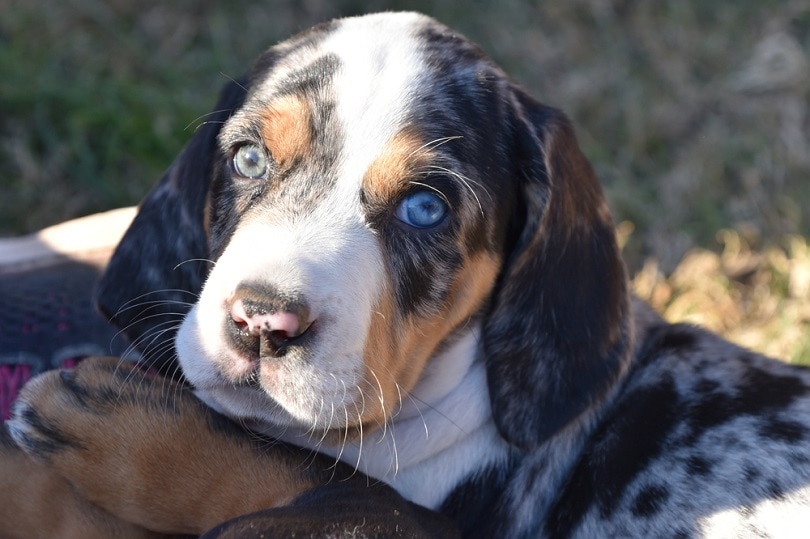
As a veterinarian and lifelong dog lover, I‘ve met my fair share of hounds over the years. But few have captured my heart quite like the American Leopard Hound. With their stunning spotted coats, boundless energy, and affectionate nature, these all-American hunting dogs are a joy to be around. For active folks seeking a rugged, reliable adventure buddy, the Leopard Hound is tough to top.
But as with any breed, it‘s crucial to do your homework before bringing home an American Leopard Hound. These dogs have some very specific needs that not every owner can meet. In this comprehensive guide, we‘ll cover everything you need to know about the Leopard Hound, from their physical characteristics and temperament to their exercise requirements and health concerns.
By the end, you‘ll have a clear picture of whether this high-energy hound could be your perfect match. Let‘s dive in!
Leopard Hound Appearance: Spotting the Differences
One glance is all it takes to see why the American Leopard Hound turns heads. These medium-to-large hounds are clad in eye-catching coats covered with irregular dark spots. According to the breed standard from the United Kennel Club (UKC), acceptable spot colors include black, blue, chocolate, and liver, set against lighter shades of white, tan, fawn, red or yellow.
No two Leopard Hounds have identical spotting patterns, which only adds to their visual appeal. Some sport more mottled, "leopard-like" markings, while others have distinct round spots. Many also have solid patches of color on their ears and dark facial "masks" that accentuate their soulful hound dog expressions.
Beneath their stunning spots, American Leopard Hounds have the lean, muscular build of a working dog bred for endurance. Here‘s a quick rundown of their key physical traits:
| Trait | Male | Female |
|---|---|---|
| Height | 22-27 inches | 21-26 inches |
| Weight | 45-75 pounds | 35-65 pounds |
| Head | Long, slightly domed | Same |
| Muzzle | Square, tapered | Same |
| Eyes | Brown or hazel | Same |
| Ears | Drooping, medium size | Same |
| Neck | Arched, strong | Same |
| Body | Slightly longer than tall | Same |
| Tail | Long, tapered | Same |
| Coat | Short, dense, glossy | Same |
*Source: United Kennel Club breed standard
While they may look like supermodels, Leopard Hounds are built for function over fashion. Every aspect of their physique, from their powerful legs and deep chest to their sturdy feet and muscular hindquarters, equips them to be agile athletes capable of working long days in the field.
Exercise Needs: Born to Run (and Run Some More)
So what exactly are Leopard Hounds equipped to do? In short – run their spotted tails off! These dynamic hounds were bred to have the speed, stamina, and prey drive needed to chase rabbits, raccoons, and even wildcats and bears across rough terrain for hours on end. That‘s a tall order that takes immense physical and mental energy.
As hunting companions, Leopard Hounds have been conditioned over generations to crave an extremely active lifestyle. Most experts agree that they need an absolute minimum of one hour of vigorous exercise per day to stay fit and satisfied – and two is even better. Here are some stats that put their high activity needs in perspective:
- The average Leopard Hound may run up to 20 miles a day while hunting in the field
- Leopard Hounds have been known to chase prey for 6+ hours without stopping
- A healthy adult Leopard Hound can sprint up to 35 miles per hour at top speed
- Leopard Hounds need about 30% more calories per pound of body weight than the average adult dog to fuel their active metabolism
*Sources: American Leopard Hound Association, Pet Nutrition Alliance
In other words, a quick walk around the block simply won‘t cut it for these dogs. Leopard Hounds thrive on intense physical challenges like running, hiking, swimming, and fetching that push them to the limits of their endurance and speed. They also tend to excel in canine sports like agility, tracking, lure coursing, and flyball that engage both body and mind.
Without enough exercise outlets, Leopard Hounds are prone to restless, destructive behaviors like persistent barking, hyperactivity, chewing, digging, and attempts to escape. Tapping into their natural drive to run and chase on a daily basis is truly key to keeping these high-octane hounds happy and fulfilled.
Living Requirements: Not Ideal for Apartments
Given their substantial exercise needs, Leopard Hounds are best suited for homes where they have ample space to run, play, and burn energy. A large, securely fenced yard is a huge plus for letting them safely stretch their legs in between activities. Considering their prowess as escape artists, fences should be at least 6 feet high to prevent any unauthorized adventures.
While Leopard Hounds can technically adapt to apartment or condo life if exercised adequately elsewhere, it‘s far from an ideal scenario. These vocal, energetic dogs have a tendency to bark excessively and develop restless behaviors when cooped up, which can create friction with close neighbors. Leopard Hounds are really built for the space and freedom of suburban and rural settings.
Regardless of dwelling type, it‘s crucial that Leopard Hounds get to be indoors with their families rather than left alone outside for extended periods. These sociable dogs crave companionship and can develop severe separation anxiety without it, leading to problem behaviors. With Leopard Hounds, striking a balance between physical and social enrichment is key.
Training and Socialization: Lifelong Labors of Love
Few dogs can match the Leopard Hound‘s sheer enthusiasm for learning and working. But these bright, strong-willed hounds also come with some built-in training challenges that take patience and skill to overcome.
On one hand, Leopard Hounds are whip-smart, attentive, and highly motivated by praise, play, and food rewards. They typically pick up new cues and skills quickly with positive reinforcement methods. On the other hand, they have an independent, stubborn streak a mile wide and an overpowering prey drive that can easily distract them from tasks at hand.
Leopard Hounds MUST learn rock-solid obedience to cues like "leave it," "come," and "heel" from puppyhood, or their penchant for chasing could spell disaster. Even so, it may be unrealistic to expect a reliable recall if they spot a rabbit on the horizon. A lifetime commitment to ongoing training is a must for keeping the upper hand.
Early, extensive socialization is equally essential for promoting confidence and good manners. The more positive experiences Leopard Hound pups have with new people, animals, places, and situations, the more adaptable and even-keeled they tend to be as adults. Well-socialized Leopard Hounds are typically outgoing and friendly, while those lacking quality exposure can be aloof or anxious.
With their strong pack mentality, Leopard Hounds usually enjoy the company of other dogs and can learn to cohabitate with cats if raised together. But it may be impossible to train away their drive to chase joggers, bikers, and small animals, so a trustworthy leash and long-line are non-negotiable in unfenced areas, even for well-schooled adults.
Health Considerations: Treatable Issues
By and large, American Leopard Hounds are a robust, long-lived breed. According to a survey of owners by the American Leopard Hound Association, the average lifespan is 12-15 years, with some lucky pups even pushing past 16.
But like all purebreds, Leopard Hounds have some known health conditions to watch for:
- Hip and elbow dysplasia: Malformation of hip or elbow joints that causes arthritis and lameness, seen in up to 20% of the breed
- Eye problems: Issues like progressive retinal atrophy, cataracts, and eyelid abnormalities affect up to 10% of Leopard Hounds
- Gastric dilatation volvulus (bloat): Life-threatening stomach twisting most apt to occur in large, deep-chested breeds like Leopard Hounds
- Hypothyroidism: Underactive thyroid gland which can cause weight gain, skin and coat issues, and lethargy, found in less than 5% of the breed
*Source: American Leopard Hound Association Health Survey
Fortunately, many of these problems can be mitigated through careful selection of breeding stock, preventive care, and early interventions. Choosing a Leopard Hound puppy from health-screened parents and scheduling regular vet check-ups go a long way in identifying issues before they take a toll. Keeping these active dogs slim, fit, and mentally stimulated also promotes lifelong vigor.
Grooming: Gorgeous Coats Are a Cinch
Leopard Hounds may look like million bucks, but their grooming needs are refreshingly minimal. Their short, slick coats repel dirt and require little more than a weekly once-over with a bristle brush or hound glove to stay glossy. Baths are only necessary every few months, unless a romp in a mud puddle necessitates one sooner.
That said, Leopard Hounds do need some routine maintenance to keep them comfortable and healthy. This includes:
- Regular nail trims: Leopard Hound nails grow quickly and should be clipped or ground short every 2-4 weeks to prevent painful breaking and splitting.
- Ear cleaning: Those adorable droopy ears are magnets for moisture, wax, and debris, so they should be checked and gently cleaned weekly to stave off infections.
- Dental care: Daily tooth brushing with a dog-safe toothpaste, or at least several times a week, is essential for preventing periodontal disease and keeping doggie breath fresh.
With just a little upkeep, the Leopard Hound‘s stunning spots will shine for a lifetime.
Feeding: Fueling an Active Metabolism
As high-energy athletes, Leopard Hounds require a high-octane diet to maintain optimal health and performance. Most adult dogs will thrive on a nutritionally balanced, high-quality dry or wet food containing at least 25% protein from animal sources and 15% fat.
The amount of food a Leopard Hound needs depends on factors like their age, activity level, metabolism and overall health. A good starting point is to feed about 30 calories per pound of body weight per day, split into two meals. Here‘s how that breaks down for average-sized adults:
| Dog Weight | Daily Calorie Needs | Cups of Food Per Day |
|---|---|---|
| 40 lbs | 1200 | 2.5-3 |
| 50 lbs | 1500 | 3-3.75 |
| 60 lbs | 1800 | 3.6-4.5 |
| 70 lbs | 2100 | 4.2-5.25 |
*Calculated at 30 cal/lb using an average 400 cal/cup food
Growing Leopard Hound puppies have even higher calorie requirements to fuel their rapid development. Most will need 50-60 calories per pound of their ideal adult weight per day, divided into 3-4 smaller meals. It‘s important to choose a puppy food specifically formulated to meet their unique nutritional demands.
Especially active Leopard Hounds and those that work or compete may also benefit from a higher calorie diet or additional food to replenish spent energy. On the flip side, older or less active dogs may need fewer calories to avoid becoming overweight. Regularly scoring your Leopard Hound‘s body condition and adjusting their intake as needed can help keep them at a healthy weight.
Bonding with Your Leopard Hound: A Lifelong Love
One thing I adore about Leopard Hounds is their sheer zest for life and spending time with their favorite humans. These happy-go-lucky dogs greet each day as a new opportunity for togetherness and fun with their families. From dawn to dusk, they‘re always ready and raring to join in any adventure, whether that‘s a brisk trail run or lazy cuddle on the couch.
It‘s not hard to develop an unbreakable bond with an American Leopard Hound. These affectionate, eager-to-please dogs are naturals at worming their way into your heart. They‘re quick to pick up on your routines and habits so they can be right there by your side, participating in the action. And they have an uncanny knack for sensing your mood and showing up with a wag and goofy grin when you need it most.
Leopard Hounds also tend to be fantastic with kids thanks to their gentle, patient, playful nature. There‘s no better family sidekick for backyard romps, nature hikes, and beach outings. With proper introductions and supervision, Leopard Hounds usually adore little ones and delight in their company and attention.
Really, the hardest part of loving a Leopard Hound is accepting that you‘ll never be able to fully tire them out, no matter how much you exercise and entertain them together. But for active dog lovers who appreciate their boundless enthusiasm, that just means there‘s always another opportunity for memorable bonding moments and adventures on the horizon.
Adopting a Leopard Hound: What to Know
When you‘ve weighed the pros and cons and decided an American Leopard Hound is the right dog for you (lucky you!), take your time to find a pup from a responsible source. Leopard Hounds are still a relatively rare breed, so you may need to search far and wide for available litters or join a waiting list.
A good place to start is with breed-specific rescue organizations like the American Leopard Hound Rescue Association, which rehomes displaced Leopard Hounds across the country. Adopting an adult dog can be extremely rewarding, especially if you‘re not up for the demands of puppyhood. Many rescues will cat test, child test, and even provide some basic obedience training before placement.
If your heart is set on a puppy, seek out a reputable preservation breeder dedicated to improving the Leopard Hound breed. Avoid pet stores, online dealers, or anyone offering multiple breeds without health clearances or guarantees. A quality Leopard Hound breeder will insist on meeting you, ask questions to ensure their pups are going to good homes, and provide references and a written contract.
Expect to pay anywhere from $600 to $1,800 for a responsibly bred Leopard Hound puppy, depending on lineage and demand. While it may be tempting to choose the cheapest pup you can find, investing in a well-bred dog from health-tested parents stacks the odds in your favor of getting a happy, healthy new family member.
Final Thoughts
I hope this deep dive into the American Leopard Hound has given you a more complete picture of life with these remarkable spotted hounds. From their rich history as rugged hunters to their present-day role as adored canine athletes, Leopard Hounds have so much to offer the right owners.
Yes, their high exercise needs, boisterous nature, and intense prey drive make them a challenge to keep. But for active dog lovers who put in the work, training, and miles together, the payoff is immense. There‘s nothing quite like the joy of seeing a Leopard Hound bounding through the woods, enjoying life to the absolute fullest by your side.
So if you‘re up for a dog that will push you to be your best, most adventurous self, the American Leopard Hound may be your dream breed. With their brains, beauty, and unstoppable spirit, these underrated underdogs could be just the motivation you need to get out and seize each day.