Are Great Danes Aggressive? Analyzing the Gentle Giant

Introduction
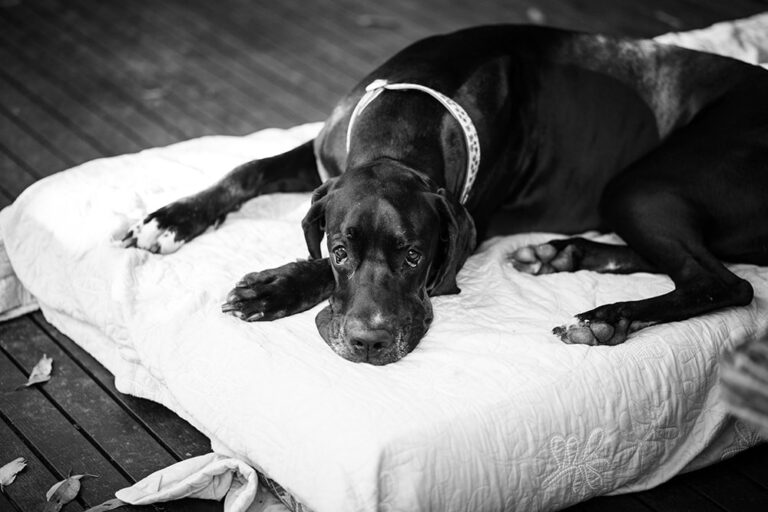
As a veterinarian and lifelong dog lover, I‘ve always been fascinated by the Great Dane – a breed that embodies both impressive stature and gentle spirit. Despite their reputation as friendly giants, many people wonder: are Great Danes inherently aggressive? It‘s a question that deserves a thorough, science-based investigation.
In this comprehensive guide, we‘ll delve into the Great Dane‘s temperament, analyzing research, statistics, and expert opinions to determine whether this magnificent breed is predisposed to aggression. We‘ll also explore the factors that shape a Great Dane‘s behavior and discuss practical strategies for raising a well-adjusted, good-natured companion. By the end, you‘ll have a deeper appreciation for the gentle soul beneath the imposing exterior.
The Great Dane: A Breed Overview
Before we examine the question of aggression, let‘s take a closer look at the Great Dane breed itself.
Origin and History
Contrary to their name, Great Danes are not actually Danish in origin. The breed was developed in Germany, where they were used as boar hounds and estate guardians for the nobility. Known as "Deutsche Dogge" in their homeland, Great Danes were prized for their strength, courage, and loyalty. Over time, they transitioned from fierce hunters to beloved companions, cherished for their calm, friendly demeanor.
Physical Characteristics
Great Danes are undeniably impressive in size. According to the American Kennel Club (AKC) breed standard, male Great Danes stand 30 to 32 inches tall at the shoulder and weigh 140 to 175 pounds, while females stand 28 to 30 inches and weigh 110 to 140 pounds. Their large, muscular build is balanced by an elegant, refined head and a sleek, short coat that comes in various colors and patterns, including fawn, brindle, blue, black, and harlequin.
Breed Standards and Temperament
The official breed standards provide valuable insight into the ideal Great Dane temperament. The AKC describes Great Danes as "friendly, dependable, and patient," while the Great Dane Club of America emphasizes their "courage, nobility, friendliness, and dependability." These standards paint a picture of a dog that is even-tempered, good-natured, and unlikely to show aggression without provocation.
Analyzing Great Dane Temperament
With a clear understanding of the breed‘s background and ideal characteristics, let‘s turn our attention to the scientific evidence regarding Great Dane temperament and aggression.
Scientific Studies
Several studies have investigated aggression across various dog breeds, shedding light on where Great Danes fall on the spectrum. A 2008 study published in the journal Applied Animal Behaviour Science analyzed aggression reports involving 33 different breeds. The researchers found that Great Danes were not among the top breeds for aggression towards humans, ranking far below breeds like German Shepherds, Rottweilers, and Jack Russell Terriers.
Another study, published in the Journal of Veterinary Behavior in 2014, evaluated over 6,000 dogs from 23 breeds for aggressive behavior within their own homes. Once again, Great Danes ranked among the least aggressive breeds, with lower rates of owner-directed and stranger-directed aggression compared to many other large and giant breeds.
Expert Opinions
These research findings align with the professional opinions of veterinarians, trainers, and breed experts. Dr. Jerry Klein, Chief Veterinary Officer of the AKC, describes Great Danes as "gentle giants" who are "generally well-mannered and friendly." Victoria Stilwell, a renowned dog trainer and behavior expert, echoes this sentiment, stating that "Great Danes are renowned for their gentle and loving personalities."
Breed clubs and rescue organizations also attest to the Great Dane‘s pleasant nature. The Great Dane Club of America characterizes the breed as "one of the best-natured dogs," while the Mid-Atlantic Great Dane Rescue League highlights their "sweet, affectionate, and loving" temperament.
Comparison to Other Giant Breeds
It‘s worth noting that Great Danes are not alone in their reputation for gentleness among giant breeds. Other large breeds like Newfoundlands, Irish Wolfhounds, and Leonbergers are also known for their calm, friendly dispositions. However, some giant breeds, such as the Cane Corso and Dogue de Bordeaux, have a stronger history of guarding and protection work, which may contribute to higher rates of aggressive behavior.
Factors Influencing Great Dane Aggression
While Great Danes are generally not predisposed to aggression, several factors can influence an individual dog‘s temperament and behavior.
Breeding and Genetics
Responsible breeding practices are crucial for preserving the Great Dane‘s gentle nature. Ethical breeders prioritize health, temperament, and adherence to breed standards, carefully selecting breeding stock to produce well-rounded, even-tempered offspring. In contrast, irresponsible or profit-driven breeding can lead to temperament issues and increased risk of aggression.
Socialization and Training
Proper socialization during a Great Dane‘s critical developmental period (between 3 and 16 weeks of age) is essential for promoting a friendly, confident adult temperament. Positive exposure to a wide variety of people, animals, and environments helps prevent fear-based aggression and enhances social skills. Consistent, positive reinforcement training throughout a Great Dane‘s life can also help establish good behavior and strengthen the human-canine bond.
Health and Environment
Pain, illness, or discomfort can sometimes cause uncharacteristic aggression in even the most good-natured dogs. Regular veterinary check-ups and prompt attention to health concerns can help rule out medical causes of aggressive behavior. Environmental factors, such as lack of exercise, mental stimulation, or proper socialization, can also contribute to behavior problems.
Owner Responsibility
Ultimately, the responsibility for a Great Dane‘s behavior lies with their owner. Providing appropriate training, socialization, exercise, and care is crucial for nurturing their gentle nature and preventing aggression. Owners who use harsh or punitive training methods, fail to provide adequate socialization, or neglect their dog‘s needs may inadvertently contribute to behavioral issues.
Statistics and Data
To further illustrate the Great Dane‘s relative aggression compared to other breeds, let‘s examine some relevant statistics and data.
Studies Comparing Aggression Across Breeds
A 2008 study published in the journal Applied Animal Behaviour Science analyzed aggression reports involving 33 different breeds. The study found that Great Danes accounted for only 0.7% of reported aggression incidents towards humans, ranking 28th out of the 33 breeds studied.
Another study, published in the Journal of Veterinary Behavior in 2014, evaluated over 6,000 dogs from 23 breeds for aggressive behavior within their own homes. Great Danes ranked in the bottom 5 breeds for owner-directed aggression, with a prevalence of just 3.4%. They also ranked among the least aggressive breeds for stranger-directed aggression, with a prevalence of 2.8%.
| Breed | Owner-Directed Aggression | Stranger-Directed Aggression |
|---|---|---|
| Great Dane | 3.4% | 2.8% |
| Labrador Retriever | 2.1% | 1.7% |
| Golden Retriever | 2.8% | 3.4% |
| German Shepherd | 7.8% | 11.9% |
| Rottweiler | 9.7% | 13.6% |
| Chihuahua | 13.4% | 10.6% |
Data from Duffy, Hsu, & Serpell (2008) and Casey, Loftus, Bolster, Richards, & Blackwell (2014)
These statistics demonstrate that Great Danes consistently rank among the least aggressive breeds in scientific studies, with aggression rates much lower than many popular breeds.
Bite Statistics and Risk Factors
It‘s important to note that breed alone is not a reliable predictor of aggression or bite risk. The American Veterinary Medical Association (AVMA) emphasizes that "controlled studies have not identified this breed group as disproportionately dangerous." Factors such as dog size, sex, reproductive status, socialization, and owner behavior are more predictive of bite incidents than breed.
According to the AVMA, the most common risk factors for dog bites include:
- Lack of socialization and positive exposure to people and other animals
- Absence of positive reinforcement training
- Inadequate supervision or restraint of dogs
- Failure to neuter male dogs
- History of abuse or neglect
By addressing these risk factors and providing responsible care, Great Dane owners can further reduce the already low likelihood of aggression in their dogs.
Raising a Gentle Giant
As a dog lover and Great Dane enthusiast, I believe that nurturing a gentle temperament starts from puppyhood and continues throughout a dog‘s life. Here are some key strategies for raising a friendly, well-adjusted Great Dane:
Breeder Selection and Puppyhood
Choose a reputable, responsible breeder who prioritizes health, temperament, and socialization. Look for breeders who raise puppies in a home environment, provide early socialization, and screen breeding stock for genetic health issues. Avoid breeders who cannot provide health clearances, documentation, or references from satisfied puppy owners.
Socialization Strategies
During your Great Dane‘s critical socialization period (3-16 weeks), expose them to a wide variety of people, animals, and environments in a positive, controlled manner. Enroll in a well-run puppy socialization class, invite friendly visitors to your home, and take your puppy on outings to dog-friendly locations. Ensure that all experiences are enjoyable and not overwhelming for your puppy.
Positive Training Techniques
Enroll in a positive reinforcement-based training class to learn how to effectively communicate with and train your Great Dane. Consistent, reward-based training not only teaches good manners but also strengthens your bond and builds your dog‘s confidence. Avoid using punishment or dominance-based techniques, which can damage trust and potentially lead to fear or aggression.
Exercise and Enrichment Needs
While Great Danes have lower exercise needs than some giant breeds, they still require daily walks and playtime to stay physically and mentally healthy. Provide your Great Dane with plenty of enrichment activities, such as puzzle toys, scent games, and interactive play, to prevent boredom and destructive behavior. Regularly rotating toys and activities can help keep your dog engaged and mentally stimulated.
Health Considerations
Work closely with your veterinarian to monitor your Great Dane‘s health and address any concerns promptly. Great Danes are prone to certain health issues, such as hip dysplasia, bloat, and cardiomyopathy, which can impact their quality of life and behavior. Providing a high-quality diet, maintaining a healthy weight, and following your vet‘s recommendations for preventive care can help keep your gentle giant in top condition.
A Dog Lover‘s Perspective
As someone who has owned and worked with Great Danes for many years, I can attest to their gentle, affectionate nature. My first Great Dane, a blue merle named Apollo, was the epitome of a gentle giant. Despite his imposing size, he was incredibly patient and nurturing with my young children, happily allowing them to climb all over him and dress him up in silly hats.
Over the years, I‘ve had the privilege of meeting countless Great Danes through my veterinary practice and involvement in breed clubs. Time and again, I‘ve been struck by their friendly, good-natured temperament. While every dog is an individual, the vast majority of Great Danes I‘ve encountered have been even-tempered, sociable, and quick to make friends with both humans and other dogs.
Of course, no breed is perfect, and Great Danes are no exception. Like any large, strong dog, they require consistent training, socialization, and management to ensure they develop into well-behaved companions. Owning a giant breed also comes with extra responsibilities, such as providing appropriate living space, transportation, and financial resources for their care.
However, for those who are prepared for the unique challenges of giant breed ownership, the rewards are immeasurable. Great Danes have a way of capturing your heart with their goofy personalities, unwavering loyalty, and gentle souls. They are truly a special breed that defies stereotypes and misconceptions about large dogs.
Frequently Asked Questions
Q: Do Great Danes make good family pets?
A: Yes, Great Danes are known for being patient, gentle, and affectionate with children when properly socialized and trained. However, their large size requires extra caution and supervision around small children to prevent accidental knockdowns.
Q: Are Great Danes good guard dogs?
A: While Great Danes can be protective of their families, they are not typically aggressive towards strangers. Their imposing size alone can be a deterrent, but they are more likely to greet visitors with friendly curiosity than aggression.
Q: How much exercise do Great Danes need?
A: Great Danes have moderate exercise needs compared to some giant breeds. A daily walk of 30-60 minutes, along with playtime and mental stimulation, is usually sufficient for an adult Great Dane.
Q: Are Great Danes easy to train?
A: Great Danes are generally intelligent and eager to please, making them responsive to positive reinforcement training. However, their size and strength can make them a challenge for inexperienced owners. Consistency, patience, and early training are key.
Q: Do Great Danes have any specific health issues?
A: Like many large and giant breeds, Great Danes are prone to certain health concerns, such as hip dysplasia, bloat, cardiomyopathy, and some cancers. Regular veterinary check-ups, a high-quality diet, and monitoring for signs of illness can help catch and manage potential health problems.
Conclusion
In conclusion, the evidence overwhelmingly suggests that Great Danes are not inherently aggressive dogs. Scientific studies, expert opinions, and breed standards consistently portray Great Danes as friendly, even-tempered, and good-natured companions. While individual temperament can vary, the risk of aggression in Great Danes is notably lower than many other breeds.
However, it‘s crucial to recognize that no breed is automatically gentle or aggressive. The responsibility for shaping a dog‘s temperament lies primarily with their owners. By selecting a reputable breeder, providing proper socialization and training, meeting exercise and enrichment needs, and staying attentive to health concerns, Great Dane owners can nurture the gentle nature of their giant companions.
As a dog lover and veterinarian, I encourage prospective Great Dane owners to approach the breed with an open mind and a commitment to responsible ownership. By understanding the breed‘s unique needs and working to meet them, you can help your Great Dane live up to their full potential as a magnificent, gentle-hearted friend.
In the end, the Great Dane stands as a testament to the fact that size does not determine a dog‘s temperament. Behind their towering stature beats a heart full of love, loyalty, and an enduring gentleness that has earned them a place among the most beloved breeds in the world. With the right care and understanding, these gentle giants can truly live up to their name, enriching the lives of all who have the privilege of knowing them.