Are Shiba Inus Aggressive? Understanding the Breed‘s Temperament
Introduction
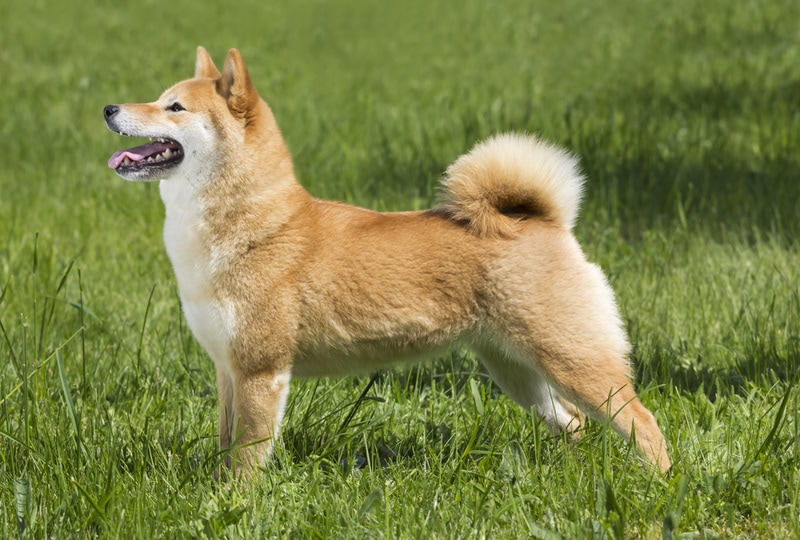
Shiba Inus, with their fox-like appearance and bold personalities, have captured the hearts of many dog lovers around the world. As the popularity of this Japanese breed continues to grow, so does the need for a better understanding of their temperament, particularly concerning aggression. In this article, we‘ll dive deep into the world of Shiba Inus, exploring their history, temperament, and the factors that can influence aggressive behavior. As a dog lover and veterinary expert, I‘ll provide insights, tips, and resources to help you better understand and manage aggression in Shiba Inus.
The Shiba Inu: A Brief History
Shiba Inus are an ancient breed, with their origins dating back to 300 B.C. in Japan. Originally bred for hunting small game in the mountainous regions of the country, Shiba Inus were prized for their agility, bravery, and tenacity. These traits, while essential for their original purpose, also contribute to their independent and strong-willed nature.
Over time, as Japan modernized and the need for hunting dogs decreased, Shiba Inus transitioned into companion animals. However, their hunting instincts and independent spirit remained, shaping the breed‘s temperament and behavior.
Understanding Dog Aggression
Before we delve into Shiba Inu aggression specifically, it‘s essential to understand what aggression in dogs means. Aggression is a complex behavior that can manifest in various forms, each with its own set of triggers and underlying causes. Some common types of aggression in dogs include:
- Fear-based aggression: When a dog feels threatened or anxious, they may resort to aggressive behavior as a means of self-defense.
- Territorial aggression: Dogs may become aggressive when they perceive a threat to their territory or resources.
- Possessive aggression: Also known as resource guarding, this type of aggression occurs when a dog feels the need to protect their food, toys, or other valued objects.
- Predatory aggression: Driven by a dog‘s hunting instincts, predatory aggression can be triggered by the movement of small animals or objects.
- Pain-induced aggression: Dogs experiencing pain or discomfort may display aggressive behavior as a way to protect themselves from further harm.
It‘s crucial to recognize that aggression is not a trait specific to any one breed but rather a behavior that can arise in any dog given certain circumstances and triggers.
Shiba Inu Temperament: Bold, Independent, and Loyal
Shiba Inus are known for their independent and strong-willed nature. They are intelligent, curious, and have a high prey drive, which is a result of their hunting background. While they can be affectionate and loyal to their family, they are often aloof with strangers and can be territorial.
Shiba Inus have a distinct personality that some describe as "cat-like" due to their independent nature and preference for cleanliness. They are not typically a breed that craves constant attention or physical affection, but rather appreciates their own space and autonomy.
Shiba Inu Aggression: What the Data Says
To better understand Shiba Inu aggression, let‘s look at some data from the American Temperament Test Society (ATTS). The ATTS conducts standardized temperament tests to assess a dog‘s reaction to various stimuli, such as sudden noises, unfamiliar people, and other dogs.
As of March 2024, the ATTS has tested 1,058 Shiba Inus, with a pass rate of 85.7%. This means that 907 Shiba Inus passed the temperament test, while 151 did not. Compared to other popular breeds, Shiba Inus rank slightly lower in terms of temperament test pass rates:
| Breed | Pass Rate |
|---|---|
| Golden Retriever | 92.4% |
| Labrador Retriever | 91.8% |
| German Shepherd | 86.8% |
| Siberian Husky | 86.3% |
| Shiba Inu | 85.7% |
| Chihuahua | 71.7% |
While these statistics provide insight into the general temperament of Shiba Inus, it‘s important to remember that individual dogs within a breed can vary significantly in their behavior and personality. Factors such as genetics, socialization, training, and environment all play a role in shaping a dog‘s temperament and potential for aggressive behavior.
Factors Contributing to Shiba Inu Aggression
Shiba Inus are not inherently aggressive dogs, but certain factors can contribute to the development of aggressive behavior in the breed. Some of these factors include:
- Lack of socialization: Shiba Inus who are not adequately socialized from a young age may be more fearful or reactive to new people, animals, or situations.
- Territoriality: As a breed with a strong sense of territory, Shiba Inus may become aggressive when they perceive a threat to their space or family.
- Possessiveness: Shiba Inus can be possessive of their food, toys, or other resources, leading to aggressive behavior if they feel these items are being threatened.
- Fear or anxiety: Like any dog, Shiba Inus may display aggressive behavior if they are fearful or anxious in certain situations.
- Pain or illness: Aggression can also be a sign of an underlying medical issue, such as pain, injury, or hormonal imbalances.
- Lack of training and boundaries: Shiba Inus require consistent training and clear boundaries to prevent dominant or unruly behavior, which can escalate into aggression if left unchecked.
Preventing and Managing Aggression in Shiba Inus
As a Shiba Inu owner, there are several steps you can take to prevent and manage aggressive behavior in your dog:
- Early socialization: Expose your Shiba Inu puppy to a variety of people, animals, and environments to help them develop confidence and social skills. Attend puppy classes, arrange playdates with well-mannered dogs, and introduce your puppy to new sights, sounds, and experiences in a positive, controlled manner.
- Positive reinforcement training: Use reward-based training methods to teach your Shiba Inu basic obedience and establish a strong bond built on trust and respect. Avoid harsh or punitive training techniques, as these can increase anxiety and aggression in dogs.
- Consistency and boundaries: Establish clear rules and boundaries for your Shiba Inu and consistently enforce them to prevent dominant or territorial behavior. This includes setting limits on furniture access, maintaining a consistent feeding and walking schedule, and teaching your dog to wait for permission before engaging in certain activities.
- Proper exercise and mental stimulation: Provide your Shiba Inu with ample physical exercise and mental enrichment to prevent boredom and frustration, which can lead to aggressive behavior. Engage your dog in activities like hiking, agility training, or puzzle toys to keep their mind and body stimulated.
- Gradual introductions: When introducing your Shiba Inu to new people or animals, do so gradually and in a controlled environment to prevent fear or anxiety. Use positive reinforcement and rewards to create positive associations with new experiences.
- Recognize warning signs: Learn to recognize the warning signs of aggression in your Shiba Inu, such as growling, snarling, or snapping, and take steps to de-escalate the situation before it intensifies. Remove your dog from the situation, provide a safe space for them to retreat to, and consult with a professional trainer or behaviorist if the behavior persists.
Case Study: Luna the Shiba Inu
To illustrate the importance of proper training and socialization in preventing aggressive behavior, let‘s look at the story of Luna, a 2-year-old Shiba Inu.
When Luna‘s owners first brought her home as a puppy, they were enamored with her cute appearance and independent spirit. However, they failed to invest time in proper socialization and training, believing that Luna would "figure things out" on her own.
As Luna grew, she became increasingly territorial and possessive of her toys and food. She would growl and snap at family members who approached her while she was eating or playing with her favorite toy. Luna‘s owners, unsure of how to handle the situation, began to avoid interacting with her altogether.
It wasn‘t until Luna bit a visiting friend that her owners realized the severity of the problem. They reached out to a professional dog trainer who specialized in working with Shiba Inus. The trainer assessed Luna‘s behavior and developed a comprehensive training plan that included desensitization exercises, positive reinforcement training, and clear boundaries.
With dedication and consistency, Luna‘s owners worked with the trainer to implement the plan. Slowly but surely, Luna‘s aggressive behavior began to improve. She learned to trust her owners and respond to their commands, and her confidence in new situations grew.
Luna‘s story highlights the importance of early intervention and professional guidance when dealing with aggressive behavior in Shiba Inus. By addressing the issue head-on and committing to a training plan, Luna‘s owners were able to help her overcome her aggressive tendencies and become a well-adjusted, happy dog.
Choosing a Reputable Breeder or Rescue
When adding a Shiba Inu to your family, it‘s crucial to choose a reputable breeder or rescue organization. Responsible breeders prioritize the health and temperament of their dogs, conducting thorough health screenings and selecting breeding stock with stable temperaments.
Choosing a Shiba Inu from a reputable source can help ensure that your puppy has a sound genetic foundation and has been raised in a nurturing environment that promotes proper socialization and development.
If you‘re considering adopting a Shiba Inu from a rescue organization, be sure to work with a group that thoroughly assesses each dog‘s temperament and provides honest information about their background and any behavioral issues. Many rescue organizations also offer post-adoption support and resources to help you successfully integrate your new Shiba Inu into your home.
The Role of Diet, Exercise, and Mental Stimulation
In addition to proper training and socialization, diet, exercise, and mental stimulation play a crucial role in preventing and managing aggressive behavior in Shiba Inus.
A high-quality, balanced diet that meets your Shiba Inu‘s nutritional needs can help support their overall health and well-being, reducing the likelihood of aggression related to pain or discomfort. Consult with your veterinarian to choose a diet that is appropriate for your dog‘s age, size, and activity level.
Regular exercise and mental stimulation are essential for Shiba Inus, as they help prevent boredom and frustration, which can lead to aggressive behavior. Aim to provide your Shiba Inu with at least 30-60 minutes of physical activity per day, such as walks, runs, or playtime in a securely fenced area. Incorporate mental stimulation through interactive toys, puzzle feeders, and training sessions to keep your dog‘s mind engaged and challenged.
Myths and Misconceptions about Shiba Inu Aggression
Despite their reputation for being independent and aloof, Shiba Inus are not inherently aggressive dogs. However, several myths and misconceptions about the breed‘s temperament persist. Let‘s address a few of these:
Myth 1: Shiba Inus are naturally aggressive towards people.
Fact: Shiba Inus are typically reserved with strangers but are not naturally aggressive towards people. With proper socialization and training, Shiba Inus can learn to be friendly and well-mannered around new people.
Myth 2: Shiba Inus are impossible to train.
Fact: While Shiba Inus can be independent and stubborn, they are highly intelligent and capable of learning. Positive reinforcement training methods, patience, and consistency are key to successfully training a Shiba Inu.
Myth 3: Shiba Inus are not good with children.
Fact: Shiba Inus can be excellent companions for children when raised together and socialized from a young age. However, as with any dog, it‘s essential to teach children how to interact respectfully with dogs and to supervise all interactions between children and pets.
Resources for Shiba Inu Owners
If you‘re a Shiba Inu owner seeking additional guidance on aggression prevention and management, several resources are available:
- National Shiba Club of America (NSCA): The NSCA provides educational resources, breeder referrals, and support for Shiba Inu owners.
- Certified Professional Dog Trainers (CPDT): CPDTs are experienced dog trainers who have passed a rigorous certification process. They can help you develop a customized training plan for your Shiba Inu.
- American Veterinary Society of Animal Behavior (AVSAB): The AVSAB offers resources and referrals for pet owners seeking help with behavioral issues, including aggression.
- Online forums and support groups: Joining online Shiba Inu forums or support groups can provide a sense of community and allow you to connect with other owners who have experienced similar challenges.
Conclusion
Shiba Inus are a unique and fascinating breed with a rich history and distinct personality. While they are not inherently aggressive, their independent nature and strong will can contribute to the development of aggressive behavior if not properly managed.
As a dog lover and veterinary expert, I encourage Shiba Inu owners to invest time and effort into proper socialization, training, and care to help their dogs thrive. By understanding the breed‘s temperament, recognizing the signs of aggression, and taking proactive steps to prevent and manage aggressive behavior, you can build a strong, trusting bond with your Shiba Inu.
Remember, every dog is an individual, and with patience, consistency, and love, you can help your Shiba Inu reach their full potential as a well-adjusted, happy companion. If you ever feel overwhelmed or unsure about your dog‘s behavior, don‘t hesitate to reach out to a professional trainer, behaviorist, or veterinarian for guidance and support.
With the right knowledge, resources, and dedication, you and your Shiba Inu can enjoy a fulfilling, lifelong partnership built on trust, respect, and understanding.