What Were Schnauzers Bred For? Exploring This Beard-tiful Breed‘s Heritage
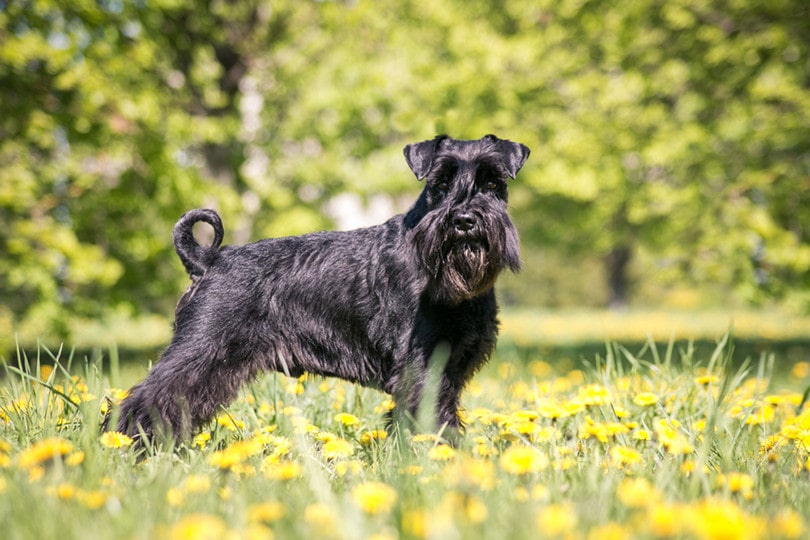
As a lifelong dog lover and Schnauzer aficionado, I‘ve long been fascinated by this breed‘s unique look, larger-than-life personality, and remarkable versatility. With their hallmark bearded snouts, stocky builds, and alert expressions, Schnauzers stand out from the canine crowd. But there‘s so much more to these dogs than their distinctive appearance. Schnauzers were originally bred to be the ultimate multitasking farm dog, capable of all kinds of jobs to assist their owners. Join me in exploring the history of what Schnauzers were bred for and how they evolved into the beloved companions they are today.
Humble Beginnings in Germany
The Schnauzer story starts where so many great dog breeds began – in Germany! While the exact date is unknown, dog historians generally agree that the Standard Schnauzer emerged as a distinct breed sometime in the 15th or 16th century. These medium-sized, wiry-coated working dogs became a popular and relied-upon part of life on farms across the German countryside.
As Dr. Hans Räber writes in his book "Encyclopedia of Dog Breeds", the Schnauzer proved to be an incredibly intelligent, trainable, and adaptable farm dog capable of performing a wide variety of tasks. This versatility, along with their signature facial furnishings, set Schnauzers apart from other farm breeds of the time.
Speaking of those beards, did you know the breed‘s name reflects this trait? "Schnauzer" comes from the German word "schnauze", meaning "snout" or "muzzle." As a Schnauzer owner myself, I can attest that those bushy beards and eyebrows are the defining feature of the breed‘s identity!
But Schnauzers‘ coats aren‘t just for show. The wiry topcoat and soft undercoat provided protection from the elements and underbrush while hunting vermin around the farm. And that facial hair helped shield the sensitive muzzle area from prey and hazards as well. Form and function in perfect harmony!
The Quintessential Farm Dog: The Standard Schnauzer
The medium-sized Standard Schnauzer was the first incarnation of the breed, and farmers quickly recognized their potential as the ultimate rural working dog. Tireless, intelligent, and always eager to please, Standards were bred and trained to master all sorts of jobs around the farm:
-
Expert Ratters
First and foremost, Standard Schnauzers were valued for their ratting prowess. Rats, mice, and other small vermin posed a serious threat to crops and food stores, so having a skilled ratter on site was a must. Schnauzers used their keen senses of smell and hearing, lightning-fast reflexes, and fearless nature to hunt and dispatch rodents with ruthless efficiency.In the book "The New Complete Schnauzer", author Anne Paramonow describes how Schnauzers would "stealthily stalk their prey, waiting for the perfect moment to pounce and dispatch the unlucky rodent with a swift shake." This prey drive and hunting style, honed over centuries, remains strong in Schnauzers today (as any owner who‘s seen their pet corner a squeak toy can attest!).
-
Vigilant Guardians
Schnauzers also earned their keep as alert and imposing watchdogs for the farm and family. Wary of strangers and always on the lookout for threats, Standards would bark to warn of intruders or anything amiss. And that intimidating bearded face and muscular build was often enough to deter unwanted visitors!But Schnauzers were far from all bark and no bite. These gutsy pups were bred to back up their warnings with action if needed. As Tina Barber writes in "The Ultimate Schnauzer", Standards "wouldn‘t hesitate to stand their ground and physically defend their territory and loved ones if push came to shove." That protective instinct and fearless spirit lives on in the breed to this day.
-
Herding Helpers
In addition to ratting and guarding, many Standard Schnauzers also served as droving dogs, helping farmers herd and drive livestock in the pastures and to market. Though perhaps not as specialized for herding as some other breeds, Schnauzers‘ work ethic, agility, and assertive nature made them effective at keeping cattle and sheep in line.Their high trainability and problem-solving skills were valuable in the herding context, as they could learn and independently perform complex tasks. As herding expert Linda Rorem notes, "Schnauzers have a unique ability to think on their feet and adapt their herding style to the situation at hand."
-
Loyal Companions
At the end of a long day‘s work, Schnauzers traded in their roles as tireless farm hands to be loving, playful, and devoted companions to their families. Their goofy, affectionate side was as much a part of their identity as their working drive.I can certainly relate to the special bond between Schnauzer and owner. My own Standard is my constant shadow, always up for a snuggle or a game. There‘s nothing quite like the unconditional love and companionship of a Schnauzer!
So in summary, the Standard Schnauzer was a true jack-of-all-trades on the farm, a master of many in service of their human partners. But as the breed‘s popularity grew, dog lovers began to refine and specialize the mighty Schnauzer into different sizes for different needs.
Expanding the Schnauzer Family: Miniatures & Giants
In the late 1800s, breeders in Germany and beyond began to experiment with modifying the Standard Schnauzer template to create varieties suited for more specific work roles. The results were the Miniature Schnauzer and Giant Schnauzer, which quickly gained followings of their own:
Miniature Schnauzers: Tiny But Mighty
As the name suggests, Miniature Schnauzers were developed by selectively breeding the smallest Standard Schnauzers to gradually reduce the breed‘s size. The goal was to create a Schnauzer more suited to the companion role, with a focus on ratting in close quarters.
Standing 12-14 inches tall and weighing 11-20 pounds, Minis were the perfect size for keeping homes, farms, and businesses free of vermin, even in tight spaces. They maintained the same feisty terrier attitude of their larger cousins in a portable, apartment-friendly package.
Miniature Schnauzers rocketed in popularity in the early 20th century, becoming one of the most beloved companion dog breeds worldwide. Their small size, portability, and winning personality made them ideal city pets. According to the American Kennel Club, they were the 19th most popular breed in the United States in 2021.
Giant Schnauzers: Brawn Meets Brains
On the flip side, Giant Schnauzers were created by crossing the brawniest Standard Schnauzers with larger, smooth-coated working breeds like the Great Dane, Bouvier des Flandres, and Rottweiler. The idea was to enhance the Schnauzer‘s guarding ability and create a bigger, stronger dog ideally suited for police and military work, as well as pulling carts and guarding estates.
Weighing 55-80 pounds and standing 23.5-27.5 inches tall, Giant Schnauzers certainly live up to their name! But they‘re far from gentle giants – these dogs combine impressive strength and stamina with the keen intelligence and trainability of the Schnauzer line. They are a true working breed, happiest when given a job to do, whether that‘s patrolling a property or competing in a strenuous canine sport.
Today, Giants still find employment in police and military work, as well as excelling in protection sports, cart-pulling, and competitive obedience. They are more common in their native Germany than in the U.S., ranking 78th in AKC registrations in 2021. But those who know and love this breed appreciate the Giant‘s unique blend of power, work ethic, and signature Schnauzer smarts.
The Modern Schnauzer: New Roles, Same Spirit
As Schnauzers of all three varieties caught on outside Germany in the early-mid 20th century, they gradually transitioned from hard-working farm dogs to primarily companion animals and canine athletes. After World War II, they became fashionable pets on both sides of the Atlantic, with owners drawn to their charming looks and larger-than-life personalities.
While you can still find Schnauzers serving as ratters, guard dogs, and even occasional herders, nowadays you‘re more likely to see them excelling in conformation shows, obedience trials, and agility courses. In fact, Standard Schnauzers were one of the first breeds to be registered with the American Kennel Club (in 1904), and they‘ve been a fixture in the show ring ever since.
So what makes Schnauzers such enduring and adaptable companions? I think it comes down to three key traits that have defined the breed from the beginning:
-
Intelligence: Schnauzers are wickedly smart dogs, always observing and problem-solving. They need mental stimulation to be happy, which is part of what made them such effective working dogs historically. But it also means they take readily to training for all sorts of tasks – Minis and Standards in particular are obedience and trick-training superstars! (Giants can be a bit more independent-minded.)
-
Athleticism: These dogs are athletes through and through! Beneath the distinguished bearded exterior is a muscular, agile body built for action. Schnauzers of all sizes tend to excel in canine sports like agility, flyball, and competitive obedience that draw on their innate nimbleness and stamina. And even the most couch-loving companion Schnauzer appreciates a vigorous play session or brisk walk to stay fit.
-
Attitude: Ask any Schnauzer owner what they love about the breed, and odds are "personality" will be high on the list! These are bold, feisty, opinionated dogs with a delightful sense of humor and zest for life. They don‘t tend to suffer fools lightly and can be suspicious of strangers, harkening back to their guarding background. But with their families, Schnauzers are deeply loyal, affectionate, and often charmingly goofy.
So while today‘s Schnauzers might spend more time playing fetch than ferreting out rats, make no mistake – these brainy, bearded beauties still have that instinctive drive to put their many talents to work alongside their favorite humans. Whether it‘s guarding the house, mastering a new trick, or just being a devoted best friend, today‘s Schnauzer pursues every "job" with the same tireless work ethic of their ancestors. That, to me, is what makes this breed so special and deserving of its enduring popularity in the modern dog world.
As novelist Carrie Brown once said, "Dogs have important jobs, like barking when the doorbell rings, but cats have no function in a house whatsoever." She must never have met a Schnauzer! They will always find a job to do – and look darn good doing it. Here‘s to the bearded, bold, brilliant Schnauzer: an enduring icon of canine versatility, then and now.
Sources & Further Reading
- "Encyclopedia of Dog Breeds" by Dr. Hans Räber
- "The New Complete Schnauzer" by Anne Paramonow
- "The Ultimate Schnauzer" by Tina Barber
- "The Complete Standard Schnauzer" by Erna Blythe
- "The New Miniature Schnauzer" by Elaine Gewirtz
- "The Complete Giant Schnauzer" by Mara Bovsun
- American Kennel Club Breed Popularity Statistics
- American Miniature Schnauzer Club, https://www.amsc.us/
- Giant Schnauzer Club of America, https://giantschnauzerclubofamerica.com/
- Standard Schnauzer Club of America, https://standardschnauzer.org/