The Boxador: An Intelligent, High-Energy Family Dog
If you‘re looking for an active, friendly, and trainable family pet, the Boxador may be the perfect dog for you. This hybrid dog breed is a cross between a Boxer and a Labrador Retriever, inheriting many of the best traits from both parent breeds. While Boxadors are not purebred dogs, they have become increasingly popular companions thanks to their outgoing personalities and versatile abilities.
In this comprehensive guide, we‘ll cover everything you need to know about the Boxador dog breed, including their physical characteristics, temperament, exercise and training requirements, grooming needs, and potential health issues. By the end, you‘ll have a clear idea of whether this energetic and affectionate mixed breed is the right fit for your household.
Boxador Breed Overview
As a hybrid of two popular breeds, each individual Boxador can inherit a unique combination of physical and behavioral traits from their Boxer and Labrador Retriever parents. In general though, you can expect Boxadors to be medium-to-large dogs with the following characteristics:
- Height: 23-25 inches
- Weight: 50-110 pounds
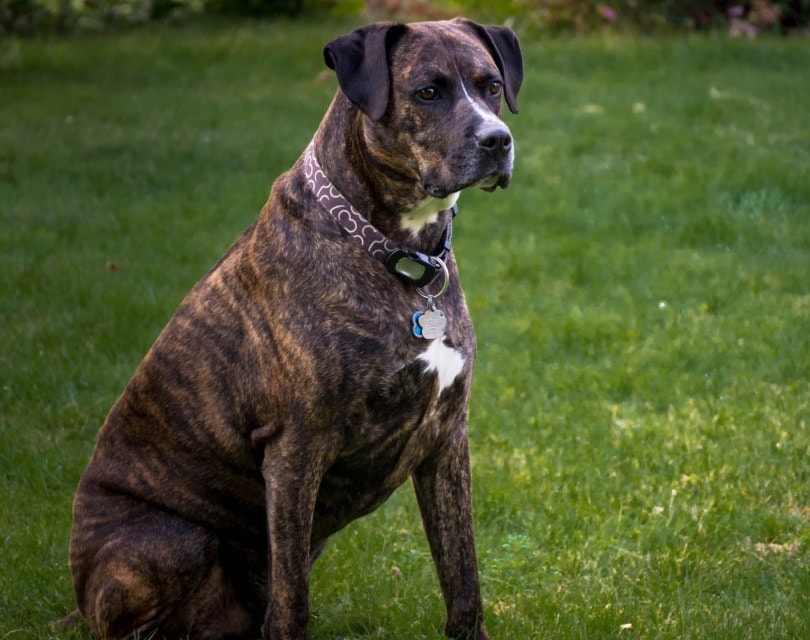
- Coat: Short, dense coat that sheds moderately year-round. Common colors include black, chocolate brown, yellow, white, and brindle.
- Lifespan: 10-12 years on average
Since this mixed breed pulls from a diverse gene pool, there can be quite a bit of variation in size and appearance even within the same litter of Boxador puppies. One pup may favor the stockier build and wrinkly face of the Boxer, while another may more closely resemble the tall, lean physique of a Labrador.
Regardless of which parent they take after, Boxadors are sturdy, athletic dogs built for an active lifestyle. With their high energy levels and muscular bodies, they need plenty of space to run and play. Boxadors can adapt well to homes with securely fenced yards where they can burn off steam in between exercise sessions and playtime with their humans.
Boxador Temperament and Personality
Boxadors are known for having the friendly, outgoing nature of the Labrador combined with the goofy, playful spirit of the Boxer. These highly sociable dogs crave human companionship and bond closely with their families. They tend to get along well with children and have the patience to put up with some roughhousing, as long as kids are taught to interact with dogs respectfully.
True to their retriever roots, Boxadors are quite people-oriented and eager to please. They‘ll happily join you on all sorts of adventures, from hikes and camping trips to beach days and neighborhood strolls. Boxadors also tend to be very welcoming of visitors to the home and do well in busy households with lots of activity. They aren‘t typically territorial or suspicious of strangers.
When it comes to other canines, Boxadors usually love having doggy playmates. They enjoy romping with fellow high-energy dogs at the dog park or in the backyard. With early socialization and training, many can learn to coexist peacefully with the family cat. However, Boxadors do have strong prey drives, so they may not be trustworthy around pets like rabbits, hamsters, or birds. Their instinct is to chase down fast-moving critters.
Boxadors are also known for being quite intelligent and receptive to training. They excel at learning new commands and tricks, and many enjoy the mental challenge of advanced obedience, agility, flyball, and other dog sports. The key is to start training early, maintain a positive and consistent approach, and keep lessons fun and engaging for this smart, attentive breed. With their smarts comes a need for ongoing mental enrichment too, or else a bored Boxador may dream up their own mischievous entertainment.
Exercise and Activity Level
One of the most important things to know about Boxadors is that they are extremely high-energy dogs with great stamina. Boxers and Labradors were both originally bred to be tireless working dogs—Boxers as cattle dogs and guard dogs, and Labradors as hunting retrievers—so their Boxador offspring have a strong drive to stay busy and active.
A Boxador needs a bare minimum of one hour of vigorous exercise every day, and many will happily go for two hours or more. In addition to long walks, they should get plenty of time to run freely in a secure area and play interactive games like fetch and tug-of-war. Dog sports are another great way for Boxadors to burn energy and hone their athletic skills. With their powerful legs and muscular builds, they can be star pupils in agility and flyball training.
Mental exercise is equally important for Boxadors. These clever canines need plenty of brain-teaser toys, puzzle feeders, games of hide-and-seek, trick training sessions, and other enrichment activities to keep them mentally stimulated. A bored Boxador with pent-up energy is likely to entertain themselves by digging up flower beds, shredding couch cushions, or finding other destructive mischief. Keep your Boxador‘s mind and body well-exercised to bring out their best behavior.
If you work long hours or have a mostly sedentary lifestyle, a Boxador is probably not the ideal dog breed for you. They bonds closely with their humans and crave lots of interaction and activity. Boxadors are better suited as companions for people who can be home with them for much of the day and take them on all sorts of active outings.
Training Your Boxador
The good news for Boxador owners is that this intelligent, people-pleasing breed tends to be quite responsive to training. They are quick learners who often look to their humans for direction and feedback. With clear, consistent leadership and plenty of positive reinforcement, Boxadors can master basic obedience commands and household rules with relative ease.
That said, Boxadors do have a few traits that can make training more challenging at times. For one, these high-energy dogs tend to be easily distracted, especially as puppies and young adults. Short, upbeat training sessions are key to holding their focus. Secondly, Boxadors can have a stubborn streak, which they may inherit from their strong-willed Boxer parents. Harsh corrections will only make them shut down, so it‘s important to keep training positive and reward them generously for good behavior.
Like all dogs, Boxadors need early socialization to grow into well-mannered adult dogs. From a young age, they should be gradually exposed to all sorts of people, animals, places, and experiences—always in a safe, supervised way and with plenty of tasty treats and praise to build positive associations. Well-socialized Boxadors are generally very friendly, adaptable dogs.
While Boxadors can eventually learn to stay home alone for reasonable periods, they are prone to suffering from separation anxiety, especially if left alone for long hours every day. Crate training can help them feel safe in a cozy den, but it‘s still important that you put in the time to get them used to brief absences and provide them with mentally stimulating toys to enjoy while you‘re gone. Most of all, avoid getting a Boxador if you work very long days and can‘t come home at lunch or hire a dog walker for midday potty breaks and exercise.
Boxador Grooming and Care
Boxadors have relatively low-maintenance grooming needs, thanks to their short, dense coats. However, they do shed moderately year-round, with heavier shedding during seasonal coat changes. Weekly brushing with a slicker brush or hound glove is usually sufficient to remove loose fur and keep their coat looking sleek and healthy. You may need to brush more frequently during high shedding periods to stay ahead of the fluff.
Boxadors aren‘t particularly prone to doggy odor and only need occasional baths, unless they‘ve rolled in something stinky. When you do bathe your Boxador, use a gentle, moisturizing dog shampoo to avoid drying out their skin and coat. Never bathe them more than once a month, as this can deplete the natural oils that keep their coat soft and healthy.
In addition to coat care, be sure to trim your Boxador‘s nails every few weeks, brush their teeth daily, and check their ears weekly for signs of infection. It‘s also a good idea to establish a care routine with your Boxador from puppyhood so they learn to sit still and accept handling for grooming and vet visits.
Boxador Health and Lifespan
As a mixed breed dog, Boxadors may be less susceptible to inheritable health issues than purebred dogs, since they draw from a more diverse gene pool. However, Boxadors can still be prone to some of the same health concerns as their Boxer and Labrador parents, especially joint and heart conditions.
Some health problems to be aware of in Boxadors include:
- Hip and elbow dysplasia – abnormal formation of the ball and socket joint, which can lead to arthritis and lameness
- Heart disease – Boxers in particular are prone to various heart conditions
- Eye disorders – such as progressive retinal atrophy, cataracts, and corneal dystrophy
- Thyroid disease – can cause weight gain, hair loss, and other symptoms
- Bloat (gastric dilatation volvulus) – a life-threatening condition in which the stomach fills with air and twists on itself, cutting off blood flow. Deep-chested breeds like Boxers and Labs are at higher risk.
Not every Boxador will experience these health issues, but it‘s important for owners to be aware of the risks and stay on top of preventive vet care. Feeding a high-quality diet, keeping your Boxador at a healthy weight, providing joint supplements, and avoiding over-exercise during puppyhood can all help support your Boxador‘s health for years to come.
With proper diet, exercise, training and veterinary care, Boxadors have an average lifespan of 10-12 years. Some may live to 13-14 years old.
Is a Boxador the Right Dog For You?
Boxadors can be wonderful companions for the right homes, but they aren‘t the best fit for everyone. Before bringing home a Boxador puppy or adult dog, consider whether you can meet their needs for exercise, training, socialization, and human companionship. Boxadors are best suited for active households with a securely fenced yard and at least one person who is usually home during the day.
If you work long hours, live in a small apartment with no yard, strongly prefer low-energy lap dogs, or aren‘t excited about the training and exercise commitment, you may want to consider other breeds that are lower maintenance. On the other hand, if you‘re looking for a friendly, energetic, trainable dog to be your constant sidekick on all sorts of adventures, a Boxador may be your ideal match!