Are Snake Plants Toxic to Dogs? An In-Depth Guide for Pet Owners
As a dog lover and veterinarian, I know firsthand the special bond we share with our canine companions. We want nothing more than to keep our furry friends safe, healthy, and happy. So it‘s understandable to feel concerned about potential hazards in the home—including our houseplants.
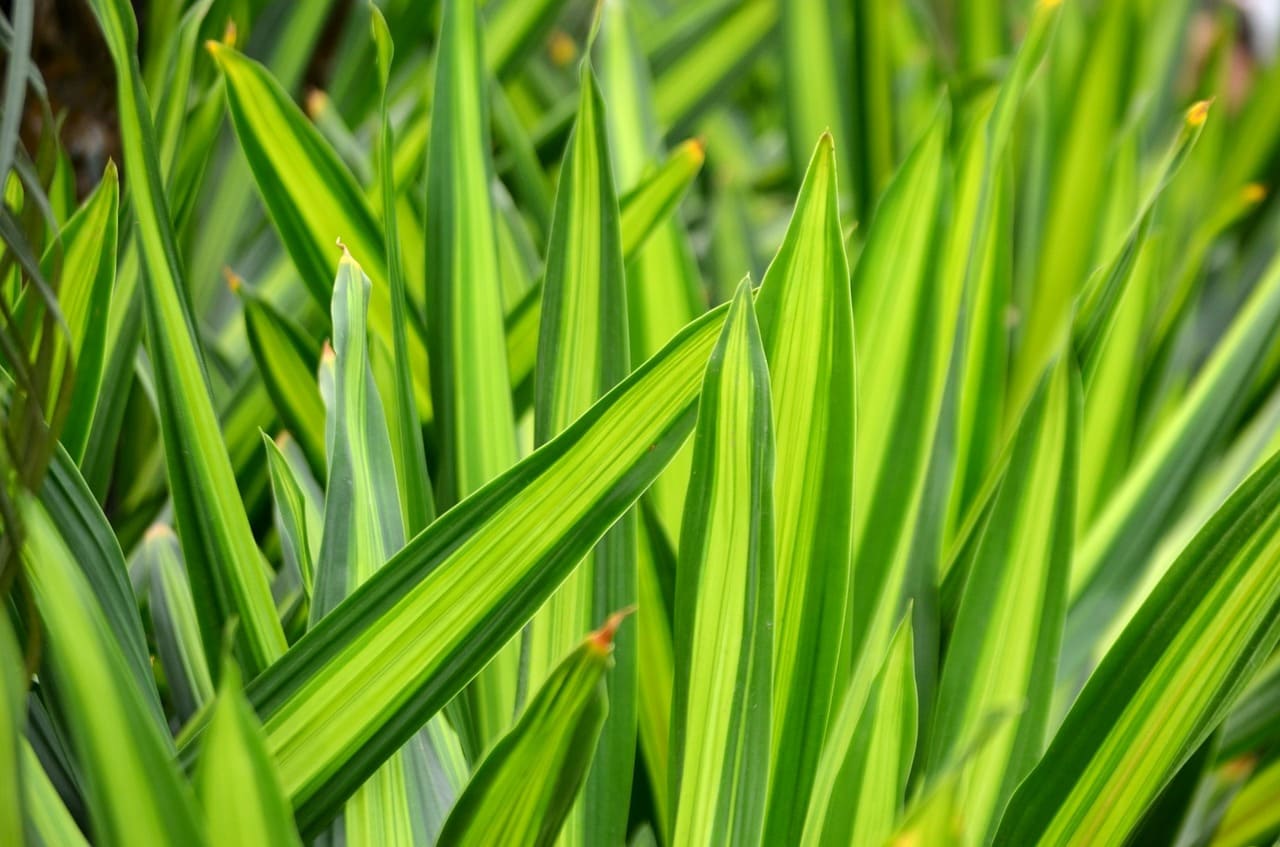
One trendy plant that has many dog owners wondering is the snake plant (Sansevieria trifasciata). Known for its striking sword-like leaves and easy care requirements, the snake plant is a popular choice for indoor greenery. But if you have a curious canine in the house, you may be wondering: are snake plants toxic to dogs?
The short answer is yes, snake plants are considered toxic to dogs. But don‘t panic just yet! In this article, we‘ll dive into the details of snake plant toxicity, including what makes them harmful, the signs to watch for, and what to do if your dog takes a bite. We‘ll also cover how to dog-proof your houseplants and suggest some safer alternatives.
As a fellow dog devotee, I know you want to be armed with facts to make informed decisions for your pet. So let‘s get started with a closer look at this common houseplant and what it means for your canine companion.
What Makes Snake Plants Toxic to Dogs?
The toxic component in snake plants is a class of compounds called saponins. Saponins are naturally occurring glycosides that are found in many different plant species. They get their name from the soapy foam they produce when agitated in water (sapo = "soap" in Latin).
Saponin Toxicity
In plants, saponins likely evolved as a defense mechanism against grazing animals and insect pests. Many saponin-containing plants have a bitter taste to deter herbivores. When ingested in large amounts, saponins can cause toxicity by disrupting cell membranes and causing gastrointestinal irritation.
Chemically, saponins have both water-loving and fat-loving components, allowing them to interact with cell membranes. They bind to cholesterol on the surface of cells, altering the permeability of the membrane. This can lead to loss of electrolytes and cell lysis (bursting).
In mammals like dogs, saponin toxicity most commonly manifests with symptoms related to gastrointestinal irritation:
- Nausea and excessive salivation
- Loss of appetite
- Vomiting (sometimes with blood)
- Diarrhea
In severe cases, saponins can lead to:
- Abdominal pain
- Lethargy and weakness
- Ataxia (wobbliness)
- Abnormal heart rate
- Muscle tremors
- Seizures
Thankfully, snake plant ingestion in dogs is rarely life-threatening. Symptoms are generally self-limiting, but supportive care may be needed to prevent dehydration from vomiting and diarrhea.
Toxicity Level
So just how toxic are snake plants to dogs? According to the ASPCA, snake plants are considered mildly to moderately toxic. The precise toxicity varies based on the amount ingested relative to the dog‘s size.
Here is a toxicity comparison of snake plants vs. some other common houseplants:
| Plant Name | Toxicity Level | Toxic Principle(s) |
|---|---|---|
| Snake plant | Moderate | Saponins |
| Pothos | Mild to moderate | Insoluble calcium oxalates |
| Peace lily | Moderate to severe | Insoluble calcium oxalates |
| Philodendron | Mild to moderate | Insoluble calcium oxalates |
| Aloe vera | Mild to moderate | Anthraquinones, saponins |
| Jade plant | Mild | Unknown |
Source: ASPCA Toxic and Non-Toxic Plants List
As you can see, many popular houseplants have some degree of toxicity risk for dogs. The key is being aware and taking steps to prevent access and ingestion.
Signs of Snake Plant Ingestion in Dogs
As discussed above, the most common signs a dog may show after ingesting snake plant material are related to gastrointestinal irritation:
- Hypersalivation (drooling)
- Inappetance
- Vomiting
- Diarrhea
Other signs to watch for include:
- Lethargy
- Weakness or unsteadiness
- Tremors
- Seizures (rare)
If your dog is showing any worrisome symptoms, it‘s always best to consult your veterinarian right away. They can assess the severity and recommend a course of treatment.
Diagnosis and Treatment
Diagnosis of snake plant toxicity is generally based on a history of exposure along with consistent clinical signs. Unless a large amount was ingested, bloodwork and other diagnostics are often not necessary.
Treatment is aimed at removing any remaining plant material from the GI tract and providing supportive care until symptoms resolve. Your vet may recommend:
- Oral administration of activated charcoal to bind remaining toxins
- Anti-emetic medication to control vomiting
- Fluid therapy to correct dehydration and electrolyte imbalances
- Gastro-protectant medications to soothe irritation
- A bland, easily digestible diet
With prompt treatment, the prognosis for snake plant ingestion is typically good. Most dogs recover fully within 24-48 hours. However, it‘s crucial to be proactive about preventing access to toxic houseplants in the future.
Dog-Proofing Your Houseplants
As much as we love our lush indoor jungles, it‘s important to recognize that many houseplants can pose a risk to our pets. If you can‘t bear to part with your snake plants, here are some tips to keep your dog safe:
-
Elevate plants out of reach. Display snake plants on high shelves, mantels, or hanging baskets where your dog can‘t get to them. Tall plant stands can also help elevate greenery above tail-wagging height.
-
Use barriers. Pet gates or pen panels can block off rooms where you keep toxic plants. Alternatively, large decorative planters or boxes can prevent dogs from accessing the pot or soil.
-
Provide alternative enrichment. Dogs, especially puppies, often chew on plants out of curiosity or boredom. Make sure your pup has plenty of safe chew toys and interactive puzzles to keep them mentally stimulated.
-
Train a "leave it" cue. Teaching your dog to move away from an object on command is a valuable skill. Use positive reinforcement methods to reward your dog for leaving plants alone.
-
Consider artificial plants. High-quality faux plants can give you the lush look without the risk. Many varieties are surprisingly realistic!
-
Choose pet-safe plants. If you want to be able to rest easy, opt for non-toxic plant species. A few dog-friendly favorites include:
- Spider plant (Chlorophytum comosum)
- Parlor palm (Chamaedorea elegans)
- Haworthia (Haworthia spp.)
- Air plants (Tillandsia spp.)
- Orchids (Orchidaceae family)
- Polka dot plant (Hypoestes phyllostachya)
With over 1000 plants on the ASPCA‘s toxic plant list, it‘s always a good idea to double check before bringing a new green friend home.
Key Takeaways
Let‘s review the most important points about snake plants and dog safety:
- Snake plants contain saponins which can cause gastrointestinal upset in dogs if ingested.
- Common signs of toxicity include hypersalivation, vomiting, diarrhea, lethargy, and weakness.
- If you suspect your dog has ingested any part of a snake plant, contact your vet immediately for guidance.
- Treatment is typically supportive care until symptoms resolve. Prevention is key!
- Dog-proof your houseplants by elevating them out of reach, using barriers, providing alternative enrichment, and training a "leave it" cue.
- When in doubt, choose non-toxic, pet-friendly plant species to fill your home.
As a vet and dog mom myself, I know how worrying it can be when our furry friends get into something they shouldn‘t. It‘s my hope that this guide has given you the knowledge and resources to make informed choices and keep your canine companion safe.
Remember, if you ever have concerns about something your pet ingested, don‘t hesitate to call your vet or an animal poison control helpline like the ASPCA (888-426-4435) or Pet Poison Helpline (855-764-7661). We‘re here to help!
Give your pup an extra snuggle from me. Until next time, keep those tails wagging!
This article is based on the most current veterinary toxicology data available at the time of publication in 2024. Always consult your veterinarian for case-specific guidance.
References:
- ASPCA Animal Poison Control Center. "Toxic and Non-Toxic Plants List." https://www.aspca.org/pet-care/animal-poison-control/toxic-and-non-toxic-plants
- Botha CJ, Penrith ML. Potential plant poisonings in dogs and cats in southern Africa. Journal of the South African Veterinary Association. 2009;80(2):63-74. https://pubmed.ncbi.nlm.nih.gov/19831269/
- Poppenga RH. "Saponins." In: Small Animal Toxicology, 3rd ed. Peterson ME, Talcott PA, eds. St. Louis: Elsevier, 2023:925-929.
- Slimestad R, Fossen T, Vågen IM. Onions: a source of unique dietary flavonoids. Journal of Agricultural and Food Chemistry. 2007;55(25):10067-10080. https://pubmed.ncbi.nlm.nih.gov/17997520/
- Milewski LM, Khan SA. An overview of potentially life-threatening poisonous plants in dogs and cats. Journal of Veterinary Emergency and Critical Care. 2006;16(1):25-33. https://doi.org/10.1111/j.1476-4431.2005.00151.x