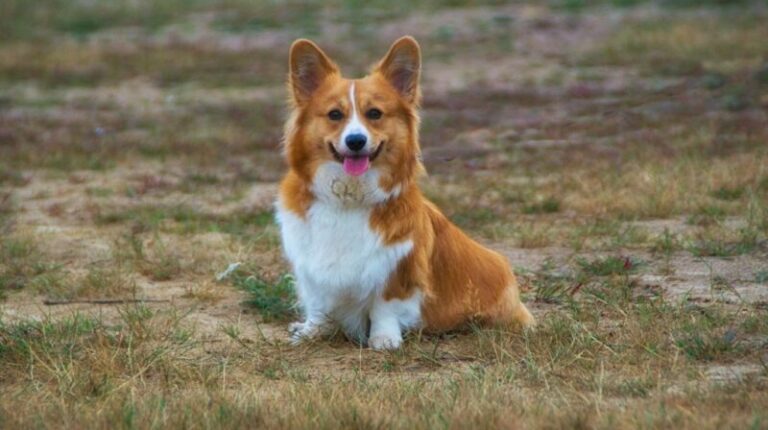
Beagles: Born to Hunt

For centuries, beagles have been cherished by hunters for their keen noses, endearing personalities, and uncanny ability to flush out small prey from dense cover. These compact scent hounds were developed in Great Britain primarily for hunting rabbits and hares, but they readily adapt to pursuing other quarry as well.
Beagles are considered one of the oldest dog breeds still in existence today, with roots stretching back to ancient Greece and Rome. References to small pack-hunting hounds appear in literature and artwork as early as the 1400s. The name "beagle" is thought to derive from the old French words "bee gueule," meaning "wide throat" or "loudmouth," which is certainly fitting for these vocal pups. Their musical baying while hot on a scent trail is music to a hunter‘s ears.
A Nose for the Hunt
A beagle‘s scenting abilities are the stuff of legend. Their noses are up to 10,000 times more sensitive than a human‘s, allowing them to detect and follow even the faintest, oldest trails with dogged determination.
"Beagles have an estimated 225 million scent receptors in their noses, compared to about 5 million in humans," says Dr. Angela Hughes, veterinary genetics research manager at Wisdom Health. "This gives them an almost supernatural ability to discriminate and follow scent trails."
The anatomy of a beagle‘s nose is perfectly designed for scent detection. Long, wide nostrils draw in maximum airflow, and an extensive network of turbinates inside the nasal cavity filters and processes incoming scents. A special fold of tissue called the alar fold helps trap scent molecules.
Beagles work slowly and methodically to unravel scent puzzles, all the while announcing their progress with bays, howls, and barks. This vocalization serves to keep the pack together and lets the hunter know they are hot on the trail. Once a beagle locks onto a scent, virtually nothing can break their intense concentration.
Built for Endurance
Beagles possess an ideal mix of physical characteristics that allow them to excel in the field. Their muscular yet compact bodies, typically weighing between 20 to 30 pounds and measuring 13 to 15 inches at the shoulder, grant them the agility and stamina to traverse rough terrain and dense brush in pursuit of fleet-footed prey.
"Beagles have a very efficient gait and can maintain a steady pace for hours on end," says Dr. Jill Richardson, sporting dog veterinarian. "Their short, strong legs and tight, cat-like feet provide excellent traction and help them navigate uneven ground."
Beagles‘ large, soft, low-set ears serve to funnel even the faintest whiffs of scent to their uber-sensitive noses. When a beagle is on the trail, their ears will be held slightly forward and low, creating a "scent trap." Their smooth, dense double coats protect these determined hunters from harsh field conditions, while their longer tail hair, or "stern," helps them signal their location to packmates.
Rabbits Beware
While beagles can be trained to hunt a variety of small game, they are first and foremost rabbit and hare specialists. Cottontail rabbits (Sylvilagus spp.), snowshoe hares (Lepus americanus), and jackrabbits (Lepus spp.) are the traditional quarry of choice for beaglers in North America.
These prey species have several traits in common that make them challenging targets for hunters and hounds alike. They are all incredibly fast and agile, able to change direction on a dime and squeeze through the tiniest openings in dense cover. Rabbits and hares also have a keen sense of hearing, which they use to detect approaching predators.
When pursued, rabbits will often circle back to an area near where they were initially flushed, using their familiarity with the home range to their advantage. This tendency is called a "rabbit run." Snowshoe hares prefer coniferous or mixed forests in the northern regions of the United States and Canada. They turn white in the winter for camouflage against the snow.
Jackrabbits favor more open areas like prairies, farmland, and desert scrub. Their powerful hind legs allow them to reach speeds up to 40 miles per hour and make tremendous leaps to escape predators.
The beagle‘s size, speed, and scenting prowess are tailor-made for flushing out bunnies from heavy cover and keeping them moving until they can be harvested by the hunter. Many hunters also employ packs of beagles to trail foxes and drive them past waiting guns. The beagles‘ flushing instinct kicks into high gear on vulpine scent.
The Thrill of the Chase
Hunting with a pack of beagles is a time-honored tradition that showcases the immense prey drive and teamwork of these tenacious little hounds. A well-coordinated pack works like a well-oiled machine in the field, with each dog seeming to understand its role.
"The beauty of pack hunting with beagles is that each dog contributes something unique to the effort," says veteran beagle hunter Jim Thompson. "You have your strike dogs that excel at initially finding and jumping rabbits, the line dogs that keep the pack on the hot trail, and the turn dogs that work the edges and help push the rabbit back to the guns."
When a beagle pack is in full cry on a fresh track, the air practically crackles with their excitement. The cacophony of howls, barks, and bays as they work the trail is one of the most thrilling sounds in all of hunting. Joining the pack as an honorary hound in pursuit of game awakens something primal in a hunter.
There is no feeling quite like watching a rabbit come bounding across a field or down a forest trail, knowing your pack of beagles is hot on its heels. In that moment, hunters and hounds are united in an age-old dance as partners in the chase. The sheer joy and intensity of beagles in their element is infectious.
Creating a Rabbit Dog
Turning a roly-poly beagle puppy into a seasoned rabbit hunter requires dedication, patience, and plenty of time in the field. Reputable breeders select for strong hunting instincts and desirable physical traits, but much of a beagle‘s potential is shaped through training and experience.
"The most important thing is to start them young," says Thompson. "From the time they open their eyes, beagle pups need to be exposed to the sights, sounds, and scents of the prey they‘ll be hunting."
Older pack members are the greatest teachers a beagle pup could have. Watching experienced dogs work and following them on hunts imprints the right behaviors and helps build confidence. Handlers should encourage and reward a pup‘s natural inclinations to sniff out critters and give chase.
Formal training often begins around 6 months of age, though each dog progresses at their own pace. Beagles may start on caged rabbits to learn basic tracking and flushing, then graduate to trailing wild rabbits in the field. Regular practice hones their skills and keeps them physically and mentally sharp.
With gentle guidance and consistent training, beagles blossom into extremely skilled and driven hunters. The more time they spend in the field, the better they get. Hunting is quite literally what beagles live for. A seasoned rabbit dog is a joy to watch as they systematically work out a track with nose to the ground and flag held high.
By the Numbers
The popularity of beagle hunting remains strong thanks to the breed‘s versatility, affordability, and relative ease of care compared to larger sporting dogs. Their compact size allows them to adapt well to a variety of living situations and makes them popular family pets as well as hunting companions.
According to a survey by the Association of Fish and Wildlife Agencies, an estimated 2.7 million hunters pursued small game like rabbits and hares in the United States in 2016. The total economic impact of small game hunting was $2.4 billion, supporting over 27,000 jobs.
While not all of these hunters use beagles, the breed is by far the most popular choice for rabbits and hares. The American Kennel Club (AKC) recognizes two varieties of beagles: those standing under 13 inches and those between 13 and 15 inches. Both are equally adept in the field.
Beagles consistently rank in the top 10 most popular breeds in the United States, with over 21,000 new registrations in 2021 alone. Their merry disposition, affectionate nature, and low-maintenance grooming needs make them excellent companion dogs.
Join the Pack
Whether you‘re a seasoned hunter looking for a new challenge or a novice seeking an immersive introduction to the sport, beagle hunting is an experience like no other. Watching these merry little hounds do what they were born and bred to do with such enduring passion and skill is incredibly rewarding.
Following a pack of beagles in full cry through field and forest is to become part of something greater than yourself. You are joining an unbroken line of hunters and hounds that stretches back centuries, partaking in an ancient partnership between humans and dogs.
As long as there are rabbits to chase and beagles to chase them, the future of this cherished tradition is assured. These diminutive dynamos have more than earned their place in the hearts and histories of hunters across the globe. Run on, little hounds. May your noses always be true and your voices never falter.