Bichon Frise Size, Weight and Growth Chart: The Complete Guide for Dog Lovers
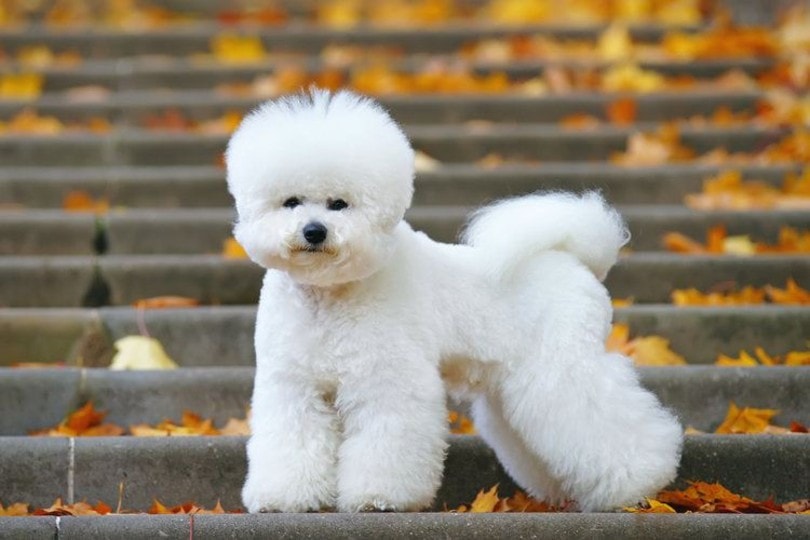
As a proud bichon frise owner and dog lover, I know that watching your fluffy little puppy grow and develop is one of the greatest joys of pet parenthood. But with that joy also comes great responsibility – the responsibility to understand your bichon‘s ideal size and growth rate, and to help them stay as healthy as possible throughout their life.
In this comprehensive guide, I‘ll share everything you need to know about bichon frise size, weight, and growth from the perspective of a devoted dog lover and with the expertise of veterinary professionals. You‘ll learn:
- The history behind the bichon frise‘s compact size
- A detailed bichon frise growth chart with expected weight ranges
- Factors that influence your bichon puppy‘s development
- Health risks associated with bichon obesity and how to prevent it
- Tips and tools for monitoring your bichon‘s growth and body condition
- And so much more!
My goal is to equip you with the knowledge and resources to feel confident about your bichon‘s growth and empowered to make informed decisions about their lifelong health. Let‘s get started!
The History Behind the Bichon Frise‘s Compact Size
The bichon frise may be small in stature, but they have a big history. The breed originated in the Mediterranean region, possibly descending from the poodle or barbet water dog breeds. They were favored as companion dogs by European nobility in the 13th century, especially in Italy, Spain and France (hence the name "bichon frise" which means "curly lap dog" in French).
Bichons were bred to be the ultimate portable companion. Their small size allowed them to be easily carried and travel with their owners. But they still needed to be sturdy enough to keep up with an active lifestyle. Over time, selective breeding for these traits resulted in the compact, resilient bichon frise we know and love today.
According to the American Kennel Club breed standard, the ideal bichon frise stands 9.5 to 11.5 inches tall at the shoulder and weighs 12 to 18 pounds. Their body is just slightly longer than tall, giving them a sturdy yet balanced appearance. Of course, individual bichons may be bigger or smaller than the breed standard while still being perfectly healthy.
Bichon Frise Growth Chart
So, how can you tell if your bichon puppy is on track to reach their full adult size? This comprehensive bichon frise growth chart shows the typical weight ranges for these dogs at various stages of puppyhood:
| Age | Weight Range |
|---|---|
| Birth | 2.75-5.25 oz |
| 2 weeks | 5-10 oz |
| 1 month | 1-2 lbs |
| 2 months | 2-3 lbs |
| 3 months | 2.5-4.5 lbs |
| 4 months | 4-6 lbs |
| 5 months | 5.5-8.5 lbs |
| 6 months | 7.5-12 lbs |
| 7 months | 8-13 lbs |
| 8 months | 9-14 lbs |
| 9 months | 9.5-15 lbs |
| 10 months | 10-16 lbs |
| 11 months | 11-17 lbs |
| 1 year | 12-18 lbs |
| 1.5+ years (full grown) | 12-18 lbs |
Keep in mind, these ranges are simply guidelines. Some bichons may weigh slightly more or less at each stage while still being perfectly healthy. The most important thing is that your individual puppy is growing at a steady, appropriate rate and maintaining a lean body condition.
"A bichon puppy‘s growth is not always linear. They may gain a lot of weight one month and then plateau the next," says Dr. Jennifer Coates, veterinary advisor for Pet Life Today. "As long as they are gaining weight and following their individual growth curve, there is no need to worry."
Factors That Influence Bichon Frise Growth and Size
While we can make generalizations about bichon frise size and growth, the truth is that each puppy develops at their own unique pace. Numerous factors can influence your bichon‘s individual growth, including:
Genetics
According to a study by the National Human Genome Research Institute, a dog‘s genetics account for 50-80% of their size variation. If your bichon comes from a line of larger or smaller than average dogs, they are likely to follow suit. Reputable breeders should be able to give you an idea of your puppy‘s expected adult size based on their parents and previous litters.
Nutrition
Proper nutrition is vital for bichon puppies to grow and thrive. Dr. Justin Shmalberg, a board-certified veterinary nutritionist at the University of Florida College of Veterinary Medicine, says "Puppies should eat a diet that meets or exceeds AAFCO standards for ‘growth‘, typically until about 80% of anticipated adult weight."
Nutritional deficiencies can lead to stunted growth, while overnutrition can cause a bichon puppy to grow too quickly, putting strain on their developing bones and joints. Feed your bichon a complete and balanced puppy food according to the manufacturer‘s guidelines for their weight and age. Avoid supplementing with additional vitamins or minerals unless directed by your vet.
Exercise
Proper exercise is crucial for your bichon puppy‘s muscle and bone development. However, before their growth plates close (usually around 8-12 months old), their joints are still vulnerable to injury. Stick to low-impact activities like short walks and play sessions. Avoid forced running, jumping or agility training until your bichon is fully grown.
"Overexercising a bichon puppy can do more harm than good," cautions Dr. Avi Blake, a veterinary consultant for Doggy Dream Team. "Limit walks to less than a mile per day until they reach their adult size to protect their joints."
Health
Underlying health issues can affect your bichon‘s growth and development. Intestinal parasites, dental disease, hormonal imbalances, liver shunts and other congenital defects may cause a bichon puppy to grow slower than expected or be unable to gain weight. Regular vet check-ups can catch these problems early so your vet can help get your puppy back on track.
Why Maintaining a Healthy Weight Matters for Bichon Frises
Obesity is a growing epidemic in companion dogs, and bichon frises are especially prone to packing on extra pounds. According to the Association for Pet Obesity Prevention, an estimated 59% of dogs in the United States are overweight or obese. For small dogs like bichons, even a gain of 1-2 pounds can be significant.
Excess weight can have serious consequences for your bichon‘s health and longevity. Osteoarthritis, intervertebral disc disease, cruciate ligament ruptures, heart disease, respiratory issues, diabetes, heat intolerance, and certain cancers are all more common in overweight dogs. A landmark lifespan study of 48 Labrador Retrievers found that dogs who were kept lean lived a median of 1.8 years longer than their overweight counterparts.
As a bichon frise owner, it‘s crucial to learn how to accurately assess your dog‘s body condition and keep them at a healthy weight throughout their life. Your vet can teach you to use the Body Condition Scoring system, which evaluates your dog‘s fat coverage on a scale of 1-9. A score of 4-5 is considered ideal. You should be able to easily feel your bichon‘s ribs and see a defined waist when looking down at them.
If your bichon is overweight, work with your vet to develop a safe weight loss plan that involves gradually reducing their calorie intake and increasing their exercise. Avoid crash diets or drastic changes that can cause nutritional deficiencies. Slow and steady wins the race!
Tips for Raising a Healthy Bichon Frise Puppy
Want to set your bichon frise puppy up for a lifetime of healthy growth and weight maintenance? Here are my top tips as a bichon owner and dog lover:
- Choose a reputable breeder who performs health testing on their breeding dogs and provides a health guarantee for their puppies.
- Feed your bichon puppy a high quality, complete and balanced puppy food formulated for their breed size. Avoid generic or cheap brands that may not meet AAFCO standards.
- Use a measuring cup to precisely portion your puppy‘s meals and stick to a consistent feeding schedule (3-4 meals per day). Avoid free-feeding, as this can lead to overweight.
- Limit treats and people food to no more than 10% of your puppy‘s daily calorie intake. Opt for healthy, low-calorie options like bits of steamed veggies or air-popped popcorn.
- Provide plenty of interactive play and short walks for exercise, but avoid high-impact activities that can damage your puppy‘s developing joints.
- Brush your bichon puppy‘s teeth daily and provide appropriate chew toys to promote healthy dental development and prevent periodontal disease.
- Schedule regular check-ups with your vet to monitor your puppy‘s growth, body condition, and overall health. Don‘t hesitate to reach out if you have any concerns!
As your bichon reaches adulthood, continue these healthy habits to maintain their ideal body condition. Weigh your dog regularly at home using a digital scale and keep a record to track any changes. If you notice unwanted weight gain, talk to your vet about adjusting your bichon‘s diet and exercise plan.
Tools for Monitoring Bichon Frise Weight and Body Condition
In addition to a digital scale and a measuring tape, there are several helpful tools available to bichon owners for monitoring their dog‘s weight and body condition:
-
Body condition scoring charts: The World Small Animal Veterinary Association provides a downloadable body condition scoring chart with detailed descriptions and illustrations for each score from 1-9. Print it out and keep it handy for regular checks.
-
Pet fitness trackers: Wearable devices like the FitBark and Whistle can track your bichon‘s activity level, sleep, and calorie burn. Set goals based on your dog‘s breed, age and size and make sure they‘re getting enough daily movement.
-
Smart food bowls: Products like the Obe ProBowl and Petnet SmartBowl can help you precisely measure your bichon‘s meals, track their intake, and even reorder their food when you‘re running low. Some models allow you to program your dog‘s ideal weight and receive feeding recommendations.
-
Home body fat analyzers: While not a substitute for veterinary assessment, at-home devices like the Innotek Body Fat Analyzer can estimate your bichon‘s body fat percentage based on their breed, weight, and a harmless electrical current. Use it in conjunction with body condition scoring for a more complete picture of your dog‘s physical condition.
With these tools in your arsenal, you can feel confident that you are setting your bichon frise up for a long, healthy life at their ideal size.
You Know Your Bichon Frise Best!
At the end of the day, no one knows your bichon better than you do. You are with them every day, watching them grow, monitoring their appetite and energy levels, and noting any changes in their appearance or behavior. Trust your instincts and don‘t hesitate to reach out to your vet with any questions or concerns about your bichon‘s growth or body condition.
Remember, your bichon relies on you to make informed decisions about their health and well-being. By educating yourself with guides like this, working closely with your veterinary team, and staying attentive to your individual dog‘s needs, you are being the best bichon owner you can be.
Every bichon is unique in their size and shape, but one thing is universal – they all need our love, care and commitment to help them live their happiest, healthiest lives. I hope this guide has equipped you with the knowledge and tools to feel confident in raising your beautiful bichon frise from playful pup to healthy adult and beyond.
Give your curly-coated companion a snuggle for me, and enjoy watching them grow and thrive under your loving care!