Bichon Frise vs Maltipoo: An In-Depth Comparison for Dog Lovers
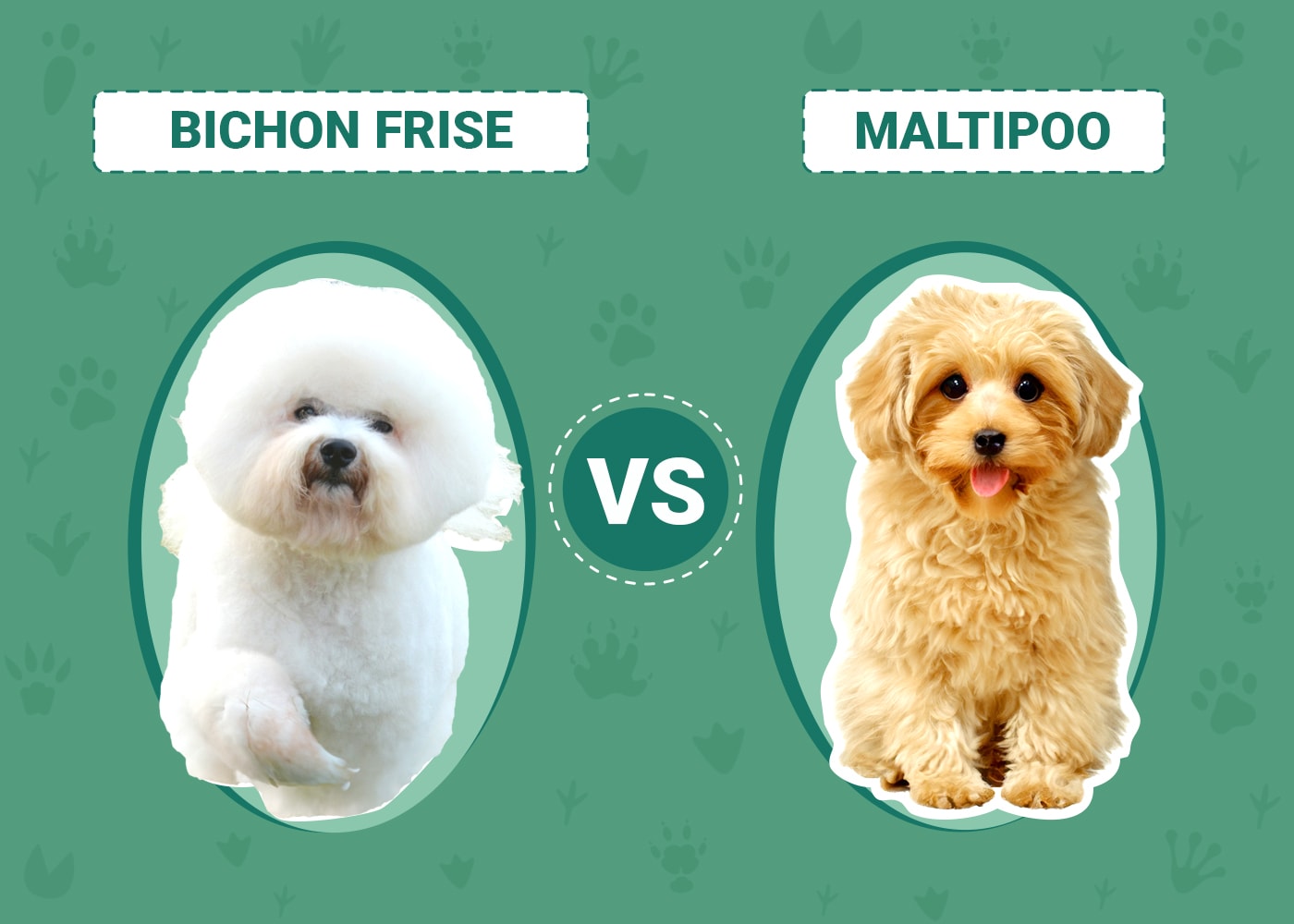
As a lifelong dog lover and veterinarian, I know how challenging it can be to choose the right furry companion. Two breeds that often get compared are the Bichon Frise and the Maltipoo. While they may look similar as small, fluffy white dogs, there are some notable differences to consider.
In this comprehensive guide, we‘ll dive deep into the history, appearance, temperament, health, and care needs of the Bichon Frise and Maltipoo. I‘ll share my professional experience as a vet along with personal insights as an owner of both breeds. My goal is to help you determine which one might be the best fit for your lifestyle.
Breed History and Overview
First, let‘s look at the origin story of these two adorable breeds. The Bichon Frise is a much older breed, with roots dating back to the 1200s-1300s in the Mediterranean. Sailors brought these small white dogs on their voyages and they eventually became popular companion dogs among European nobility, especially in France. Their name actually means "curly lap dog" in French.
In the 1800s, Bichons fell out of favor with the upper class and many ended up as street dogs. However, they found a new niche as performing dogs in circuses and fairs. After nearly going extinct during the World Wars, the breed was rebuilt in the United States in the 1950s. The American Kennel Club (AKC) officially recognized the Bichon Frise in 1972 in the Non-Sporting Group.
| Bichon Frise Breed Overview | |
|---|---|
| Height | 9.5-11.5 inches |
| Weight | 12-18 pounds |
| Lifespan | 14-15 years |
| Coat | Curly, white double coat |
| AKC Recognized | 1972, Non-Sporting Group |
| Popularity | 45th most popular USA breed in 2022 |
The Maltipoo, on the other hand, is a much more recent breed developed by crossing a Maltese with a Toy or Miniature Poodle. This "designer dog" cross began in the late 1990s as people sought out a small, low-shedding companion dog. While not recognized by the AKC due to being a mixed breed, Maltipoos have exploded in popularity over the past 20+ years.
Since a Maltipoo can have a Toy Poodle (under 10 inches tall, 5-10 pounds) or Miniature Poodle (10-15 inches tall, 10-15 pounds) as a parent, their size can vary quite a bit. On average, they weigh 5-12 pounds and stand 8-14 inches tall at the shoulder as adults.
Appearance and Coat
One of the most striking similarities between the Bichon Frise and Maltipoo is their fluffy white coat. Bichons have a thick double coat, with a soft, dense undercoat and coarser curly outercoat. Puppies are born with a softer "puppy fluff" coat that transitions to the adult curly texture around 1 year of age. Bichons are always solid white, though puppies may have some apricot or cream shading that fades.
Maltipoos can inherit different coat types and textures depending on their parent breeds. Some have the Maltese‘s long, straight, silky hair that hangs to the floor. Others have the Poodle‘s denser, wavier, or curly coat. And many fall somewhere in between. Color-wise, Maltipoos are most often white or cream. But they can also come in a range of other colors like apricot, brown, black, silver, and parti-color.
Both breeds shed very minimally, which is why they are popular among allergy sufferers. However, this does not mean they are zero-maintenance in the grooming department! Bichons need thorough brushing at least 2-3 times per week to prevent matting and tangling. They also need a full bath and haircut every 4-6 weeks to maintain that classic rounded look.
Maltipoos can be a bit easier in the grooming department, especially if kept in a shorter puppy cut. But they still need regular brushing every few days and haircuts every 6-8 weeks on average. The longer the coat, the more frequent the maintenance.
Temperament and Personality
Temperament is one area where the Bichon Frise and Maltipoo have a lot of similarities. Both breeds were developed primarily as companion dogs, so they tend to be affectionate, friendly, and very attached to their humans. They typically love nothing more than cuddling in your lap or following you around the house.
Bichons have a reputation for being especially good with children. They are playful and energetic but also gentle and patient. As adaptable dogs, they can do well in many different living situations, from apartments to larger homes.
However, Bichons are prone to developing separation anxiety if left alone for long periods. They were bred to be with their humans, after all! This can lead to destructive behaviors like excessive barking, chewing, or having accidents in the house. Bichons need an owner who is able to be home for most of the day or take them along on outings.
The Maltipoo‘s temperament can be somewhat more variable, as it depends on which parent breed they take after most. Some are more energetic and athletic like the Poodle, while others are gentle lapdogs like the Maltese. Meeting the parent dogs can give you an idea of what to expect.
In general, Maltipoos are also very attached to their families and may experience separation anxiety. They often bond closest to one person as "their human." While usually good with kids, Maltipoos may be warier of strangers than the happy-go-lucky Bichon. Early and ongoing socialization is important for both breeds.
Training and Exercise Needs
When it comes to training, both the Bichon Frise and Maltipoo are intelligent dogs that are eager to please their humans. They typically respond well to positive reinforcement methods like praise, play, and treats. Harsh corrections or punishment are not recommended, as these sensitive breeds can easily become fearful or shut down.
However, the Bichon Frise has a reputation for being somewhat challenging to housetrain. They can be stubborn about going potty in the correct place, and their small bladders mean frequent trips outside. Crate training and a consistent schedule are often necessary. Even then, some Bichons take up to a year to be fully reliable in the house.
Maltipoos, on the other hand, are often easier to housetrain. They may inherit the Poodle‘s quick intelligence and desire to keep a clean den. Of course, every individual dog is different. But in general, Maltipoos tend to pick up on potty training more readily than Bichons.
Both breeds have moderate exercise needs that can usually be met with a couple of short daily walks and some indoor playtime. Bichons are often more energetic and playful, while Maltipoos may be content with longer cuddle sessions on the couch. Mental stimulation through puzzle toys, learning tricks, and social interaction is just as important as physical activity for these smart breeds.
Health and Lifespan
The Bichon Frise has an average lifespan of 14-15 years, while the Maltipoo typically lives 12-16 years. So both breeds can be a long-term commitment as a pet. As a veterinarian, I always recommend potential owners research the common health issues in their breed of interest. This allows you to make an informed decision and budget for future medical expenses.
As a purebred dog with a limited gene pool, the Bichon Frise is more prone to certain inherited health conditions. According to the Orthopedic Foundation for Animals (OFA), 21.7% of Bichons are affected by luxating patellas, or kneecaps that slip out of place. This can cause pain and lameness, often requiring surgery to correct.
Other health issues that Bichons are predisposed to include:
- Allergies (both food and environmental)
- Bladder stones and urinary tract infections
- Dental disease (prone to early tooth loss)
- Eye problems like cataracts and corneal dystrophy
- Hormonal disorders like Cushing‘s disease and diabetes
Maltipoos can inherit health issues from either parent breed. Luxating patellas, dental disease, and eye problems are also common in Poodles and Maltese. However, as a mixed breed, Maltipoos are less likely to be affected by genetic disorders overall.
One health advantage that Maltipoos have is a lower risk of dental disease compared to Bichons. The Veterinary Centers of America (VCA) estimates that 60% of Bichons over age 10 have significant dental issues. The Maltipoo‘s longer muzzle shape means they often have less crowding and misalignment of teeth.
Of course, any individual dog can be healthy or develop medical issues regardless of breed. The best ways to stack the deck in your favor are:
- Choose a reputable breeder who does health testing on parent dogs
- Stay up-to-date on preventive care like vaccines, parasite control, and dental cleanings
- Feed a high-quality diet appropriate for your dog‘s life stage and size
- Keep your dog at a healthy weight and provide daily exercise
- Brush your dog‘s teeth daily or at least a few times per week
Which Breed is Right For You?
Now that we‘ve examined the Bichon Frise and Maltipoo in detail, you may be wondering which breed is the best fit for your lifestyle. Here are some factors to consider:
You may prefer a Bichon Frise if:
- You want a purebred dog with more predictable traits
- You are looking for a playful, energetic companion
- You have children and want a patient, kid-friendly dog
- You are able to be home most of the day or take your dog with you
- You don‘t mind frequent brushing and regular professional grooming
A Maltipoo may be a better choice if:
- You are open to the variability of a mixed breed
- You want a lap dog that is a little less active
- You are a first-time dog owner looking for an easier-to-train breed
- You want a dog that can adapt to your schedule with some alone time
- You prefer a wash-and-wear coat with less frequent grooming
Ultimately, the right breed for you is a very individual decision. Meeting adult dogs of both breeds can give you valuable information about their energy level, personality, and trainability. From there, work with a reputable breeder or rescue group to find a puppy or dog that is a good match.
As a veterinarian and dog lover who has owned both Bichons and Maltipoos, I can attest that they are both wonderful companion breeds. They will shower you with affection and be a constant source of comfort and entertainment.
With proper care and training, your Bichon Frise or Maltipoo can truly become your best friend. The bond you develop with your dog is like no other. And that, to me, is the greatest joy of being a dog lover.