Blue Boston Terrier: A Rare and Enchanting Canine Gem
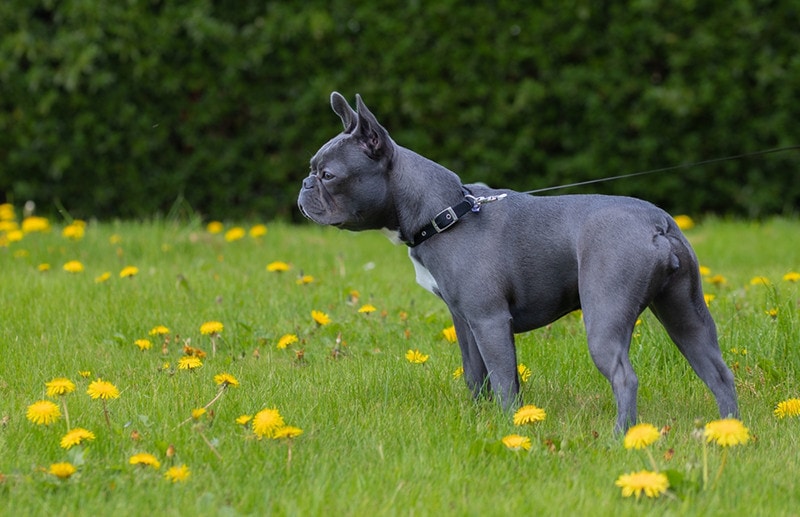
As a veterinarian and lifelong dog devotee, I‘ve always been captivated by the incredible diversity within breeds. Each one has its stars, but some stand out as truly extraordinary. Enter the blue Boston terrier – a striking variant of America‘s beloved "gentleman‘s companion." With their unique steel blue coat and charming personality, these rare beauties are a sight to behold.
Breed Overview: Boston Terrier
Before we dive into the blue Boston terrier‘s special qualities, let‘s cover some key facts about the breed as a whole:
| Trait | Description |
|---|---|
| Size | Small to medium; 12-25 lbs, 15-17 inches tall |
| Lifespan | 11-13 years |
| Coat | Short, smooth, fine texture |
| Colors | Brindle, seal, black (standard); blue (rare) |
| Temperament | Friendly, lively, intelligent, stubborn streak |
| Activity | Moderate; 30-60 min exercise daily |
| Grooming | Minimal; brush 1-2x/week, occasional bath |
| Training | Smart and eager to please but can be headstrong |
Source: American Kennel Club
Over the past century, the Boston terrier has skyrocketed from a humble cross-breed to one of the most popular companion dogs in the U.S. They consistently rank in the top 25 of the AKC‘s most registered breeds. As of 2020, the Boston terrier placed 21st out of 195 breeds.
History of the Boston Terrier
The story of the Boston terrier begins across the pond in 1860s England with a dog named Judge. A cross between a Bulldog and the now-extinct white English Terrier, Judge was bred for pit fighting but had a gentle nature. He was brought to Boston, Massachusetts by an American buyer, Robert C. Hooper.
Hooper and his friends used Judge as the foundation for a new made-in-America breed. They downsized the muscular build and dialed up the affectionate temperament to create an ideal city companion. The Boston terrier‘s characteristic round head, erect ears, short muzzle, and tidy tuxedo markings were firmly established by the early 1900s.
In a few short decades, the Boston terrier rose from scrappy street dog to high society darling. They were the first American breed recognized by the AKC in 1893. By the 1920s, Boston terriers were the most popular breed in the nation. Notable owners included Helen Keller and President Warren G. Harding.
The Blue Boston Terrier: A Happy Accident of Genetics
During the breed‘s development, a mutation occasionally produced puppies with an unusual grayish-blue coat. While not considered a standard color, these "blue" Boston terriers nonetheless captured hearts with their striking looks.
The blue coat is caused by a recessive gene that dilutes black pigment to a soft silvery gray. This gene affects the fur color but not the skin, so blue Boston terriers still have the breed‘s typical black nose, lips, and dark eyes. The contrast is truly eye-catching.
Dr. Sheila Schmutz, a professor emerita specializing in canine coat color genetics, explains:
The d allele of the dilute gene changes the shape of the pigment granules, causing the color to appear lighter. It‘s recessive, so a dog needs to inherit one copy from each parent to display the blue color. Because it‘s relatively rare in Boston terriers, blues are produced infrequently.
According to the Boston Terrier Club of America, only about 3-4% of the breed‘s annual AKC registrations are blue. However, that number seems to be slowly climbing as more breeders selectively pair dogs carrying the blue gene.
Ethical breeders caution against breeding solely for rare colors like blue at the expense of health and temperament. Responsible breeding programs prioritize genetic diversity and screening for inherited disorders.
Inside the Rise of Blue Boston Terriers
So what‘s behind the surge of interest in blue Boston terriers? For many owners, it comes down to that wow factor. In a 2022 interview, long-time Boston terrier breeder Janet Smith shared her take:
People are always looking for something a little different. When they see a blue Boston bouncing down the street, they can‘t help but take notice. Blues have that same fantastic personality as other colors, just in an extra pretty package.
Social media has also played a role in blue Boston terriers‘ popularity. Instagram pups like Bruschi the Blue (@thebruschibrothers, 21K followers), Ash and Chubbs (@bluebostons, 11K followers), and Bazo (@myboybazotheblue, 5K followers) have developed loyal audiences who delight in their adorable antics and blue-hued beauty.
The increased visibility of blues online and at local dog parks has fueled demand for these unique pups. A decade ago, you‘d be hard-pressed to find a breeder focusing on blue Boston terriers. Now there are waiting lists.
Breeder Tina Diluzio of Blue Moon Boston Terriers reports:
When I started breeding Boston terriers in the early 2000s, I would maybe get one or two blue puppies a year. Now, with careful selection of breeding stock, about half my litters will have at least one blue. And they are always the first to be spoken for.
The price tag for a blue Boston terrier puppy has risen along with their profile. In 2012, the average price for a standard-color Boston terrier pup was $600-1,000. Blues commanded about a 20% premium at $1,200-1,500. Fast forward to 2023, and you can expect to pay $1,500-2,500+ for a well-bred blue Boston terrier.
Health Considerations for Blue Boston Terriers
For all their aesthetic appeal, the blue color does come with some potential health concerns. Like other color dilutes, blue Boston terriers can be at higher risk for a condition called color dilution alopecia (CDA).
CDA is a genetic skin disorder that causes hair thinning or loss, often in patches along the back and sides. The remaining hair may be dry and brittle. While not life-threatening, CDA can be uncomfortable and unsightly. There is no cure, but managing the symptoms through regular grooming and moisturizing shampoos can help.
It‘s important to note that not all blue Boston terriers will develop CDA. A 2018 study by the University of Helsinki found that about 18% of dogs with the dilute gene showed signs of CDA. Researchers are still working to understand why some dilutes are affected and others are not.
For this reason, it‘s essential to choose a breeder who does comprehensive health testing and offers a genetic health guarantee. A good breeder will be transparent about any health issues in their lines and take steps to minimize risk.
Beyond CDA, blue Boston terriers can inherit the same health conditions as any other color Boston:
- Brachycephalic obstructive airway syndrome (BOAS): Breathing difficulties due to flat face
- Patellar luxation: Kneecap dislocation
- Eye issues: Cataracts, corneal ulcers, glaucoma
- Deafness: Can be linked to white markings on head
- Allergies: Environmental or food-related sensitivities
Source: Boston Terrier Club of America
Owners can stack the deck in their favor by working with a responsible breeder, keeping their dog at a healthy weight, staying up-to-date on vet checkups, and being alert to any changes in behavior or appearance. With proper care, blue Boston terriers can enjoy the same 11-13 year lifespan as their brindle and black counterparts.
Living with a Blue Boston Terrier: Owner Perspectives
Beyond the blue coat‘s visual impact, do blue Boston terriers differ from other colors in personality or lifestyle needs? I asked owners to share their experiences living with these cyan cuties.
Tiffany L., owner of two blue Boston terriers, says:
In my totally biased opinion, blues are the best Bostons. They have all the same wonderful traits that make this breed so endearing – the humor, the enthusiasm, the snuggles. But blues seem to have an extra sparkle. Maybe it‘s just charisma, but I‘d like to think the blue coat comes with bonus mischief!
Mark B., who adopted a blue Boston terrier named Smokey, adds:
Smokey is my little buddy. He loves everyone he meets and is always down to clown around. But he‘s also a professional-grade couch potato. As long as he gets a couple good walks and some playtime each day, he‘s content to chill. He‘s the perfect apartment dog.
Veterinarian Dr. Erica Ramsey has treated many Boston terriers, including blues, in her practice. She offers this advice for potential owners:
Boston terriers are wonderful companion dogs, but they do have some special needs. Blues are no exception. The short muzzle makes them prone to breathing problems, so it‘s important to keep them at a lean weight and avoid humid or hot conditions. Those big eyes are also at risk for injury, so I always recommend dog goggles for outdoor adventures. And of course, regular vet checkups are a must to catch any developing issues early.
Finding Your Blue Dream Dog
Ready to add a beautiful blue to your crew? With their rarity, you may need to do some detective work to find a breeder with blue Boston terrier puppies or adults available.
Start by checking with the national and local Boston terrier clubs for breeder referrals. The Boston Terrier Club of America maintains a list of member breeders who adhere to a code of ethics, which includes health testing and a commitment to the breed standard.
Other resources include:
- American Kennel Club Marketplace: Search for Boston terrier breeders by location and color
- Boston Terrier Rescue Network: Nonprofit that rehomes surrendered or abandoned Boston terriers, including blues
- Blue Boston Terrier Facebook Groups: Connect with owners and breeders to get leads on litters or available adults
When contacting breeders, have a list of questions ready. A reputable breeder will be happy to discuss their dogs‘ health history, genetic tests, socialization, and care requirements. They should allow you to tour their facility (in person or virtually), meet the parents, and see proof of vet checks.
Be prepared to wait for the right puppy. Most responsible breeders have a limited number of litters per year and maintain waiting lists. It‘s worth being patient to ensure you bring home a healthy, well-adjusted pup.
Final Thoughts: True Blue Beauty and Heart
With their captivating color and winsome ways, it‘s no wonder blue Boston terriers have captured so many hearts. From their humble beginnings as pit fighter progeny to their status as social media stars, these little blue wonders have made their mark.
As with any breed or color variant, it‘s crucial to do your homework before bringing home a blue Boston terrier. Work with a responsible breeder, prepare your home for an energetic pup, and commit to being your dog‘s advocate for life.
In return, you‘ll have a loyal, entertaining, and strikingly beautiful best friend. As veterinarian Dr. Ramsey says,
There‘s just something magical about Boston terriers. They have this zest for life and an unabashed adoration for their humans. Blues may be rare, but their love for you will be the most precious thing of all.
Here‘s to many years of laughter, adventures, and true blue companionship with your very own unforgettable blue Boston terrier!