Why Low Energy Dogs Are Having a Moment: The Big Appeal of Small Couch Potato Breeds
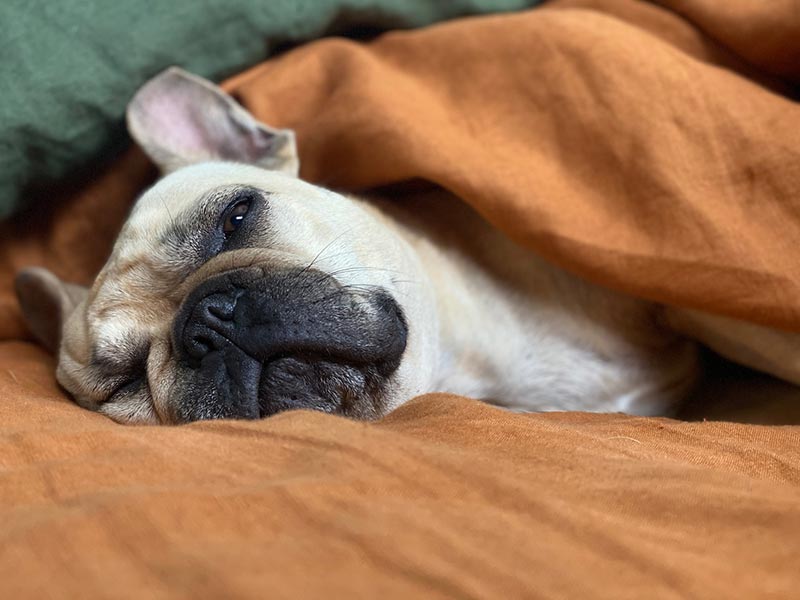
As a lifelong dog lover and veterinarian, I‘ve noticed a definite trend in recent years: more and more of my clients are seeking out low energy, particularly small breed companions. Of course, there have always been devoted fans of lapdog breeds like Shih Tzus and Cavalier King Charles Spaniels. But these days, it seems the couch potato canine lifestyle has never been more popular.
There are a number of reasons why low energy small dogs are having a moment. For one, our lifestyles and households are shifting. More people are living in apartments or condos with limited space for a high energy dog to romp. Younger owners are waiting until later to have children, so they want a canine companion that fits their social, on-the-go lives. And as more Baby Boomers reach their senior years, they‘re looking for a laid-back dog to share in a relaxed retirement lifestyle.
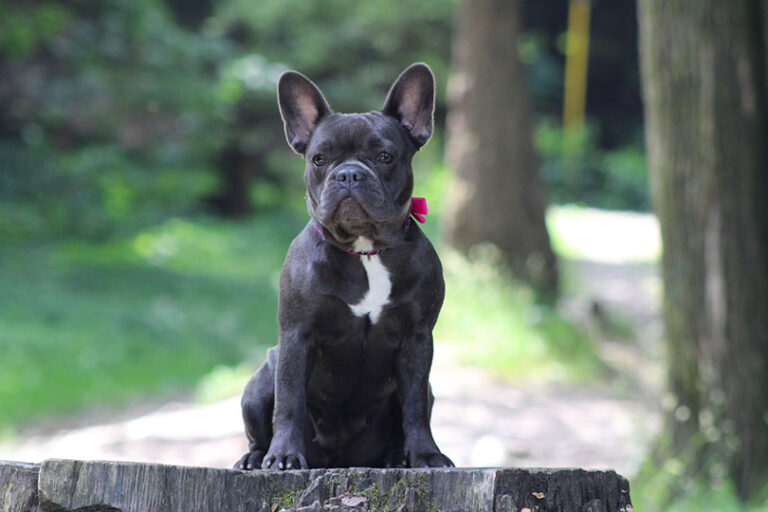
The numbers back up the anecdotal evidence I see in my veterinary clinic. According to the American Kennel Club, the French Bulldog has shot up in popularity to become the #2 most registered breed in the U.S., behind only the Labrador Retriever. Petite pooches are also on the rise, with the Pug, Cavalier King Charles Spaniel, Shih Tzu, and Havanese all landing in the top 25 most popular breeds.
So what is it about these small, less active breeds that‘s so appealing? As a veterinarian and Cavalier owner myself, I think it comes down to their adaptability and devoted companionship. Low energy dogs are content to match their lifestyle to yours. They‘re happy with a couple short walks a day and lots of couch cuddling in between. For owners who don‘t have hours to spend at the dog park or on long hikes, an easygoing canine is a perfect fit.
Another big appeal of small low energy breeds is that they make excellent companion animals. They were bred to be lap warmers, not hunting or working dogs. As such, they tend to form deep bonds with their owners and crave being by your side. For someone looking for a devoted best friend, you can‘t do much better than a calm little pooch like a Maltese or Pekingese.
Of course, there‘s no such thing as a maintenance-free dog, even among the calmest canines. It‘s a misconception that low energy dogs don‘t need any exercise. In fact, veterinarians recommend all dogs get at least 20-30 minutes of physical activity a day to maintain a healthy weight and muscle tone.
That said, low energy breeds typically have much more modest exercise needs that are easier to meet without a big backyard or hours free for walking. A quick walk around the block in the morning and evening, a little indoor playtime, and maybe some light hiking on the weekends is usually sufficient to keep them happy and healthy.
The key is making that daily 20-30 minutes of activity a consistent part of your routine. I tell my clients to think of it like taking a daily multivitamin for your dog. That small commitment to regular exercise pays big dividends in maintaining your low energy dog‘s joint mobility, cardiovascular health, muscle tone, and weight as they age.
Speaking of aging gracefully, small breeds tend to have some of the longest lifespans in the canine kingdom, regularly living into their mid-teens. Breeds like the Chihuahua, Toy Poodle, and Lhasa Apso have average lifespans of 15+ years. That longevity is a huge selling point for owners looking for a dog they can love for a long time.
While small low energy breeds may have long lifespans, it‘s important for owners to be aware of common health issues that may crop up. Many of the most popular breeds like Pugs, French Bulldogs, Shih Tzus and Pekingese are brachycephalic, meaning they have cute pushed-in faces. Unfortunately, that adorable look often comes with serious breathing problems.
According to a 2016 study in the Journal of Veterinary Internal Medicine, over 42% of French Bulldogs experience significant breathing difficulties due to their facial structure, often requiring surgery. Other common health problems in low energy small breed dogs include luxating patellas (slipping kneecaps), dental issues, heart disease, and skin fold dermatitis.
As a vet, I believe strongly in the health benefits of adopting from a shelter or rescue. But if you do decide to get a low energy purebred puppy, be sure to research breeders thoroughly and ask for health clearances on the parents to reduce the risk of inherited issues. And regardless of where your new companion comes from, keep up with routine vet care to catch any developing problems early.
It‘s also important to understand the grooming needs of different low energy small breeds. Those adorable fluffy coats on a Coton de Tulear or Bichon Frise don‘t maintain themselves! Be prepared to either brush your dog several times a week or make regular visits to a professional groomer.
If you can‘t commit to frequent brushing, opt for a smooth-coated breed like a French Bulldog, Pug or Brussels Griffon instead. As much as I adore the teddy bear look of a Shih Tzu or Pekingese, I always caution potential owners that those flowing locks come with a lot of upkeep.
So how do you choose the right low energy small breed for your lifestyle? Start by honestly assessing how much time you‘re willing to spend on daily exercise, training, and grooming. If you work long hours, you‘ll want an independent breed like a Japanese Chin or Pekingese who‘s content to snooze the day away until you get home.
Very small "teacup" size breeds under 5 pounds like the Chihuahua may not be the best choice for families with children, as they can be injured by rough handling. And if shedding sets off your allergies, a low-shedding breed like the Bichon Frise, Maltese, or Havanese will be a better fit than a Pug or Cavalier King Charles Spaniel.
To compare some key characteristics of the most popular low energy small dog breeds, I‘ve put together this handy chart:
| Breed | Weight (lbs) | Height (in) | Lifespan (yrs) | Exercise Needs | Grooming Needs | Trainability | Common Health Issues |
|---|---|---|---|---|---|---|---|
| Bichon Frise | 12-18 | 9-12 | 12-15 | Moderate | High | High | Allergies, patellar luxation |
| Brussels Griffon | 8-10 | 7-10 | 12-15 | Low | Low-Moderate | Moderate | Breathing issues, eye problems |
| Cavalier King Charles Spaniel | 13-18 | 12-13 | 9-14 | Moderate | Moderate | High | Heart disease, patellar luxation |
| Chihuahua | 3-6 | 5-8 | 14-16 | Low | Low | Low-Moderate | Patellar luxation, heart issues |
| Chinese Crested | 8-12 | 11-13 | 13-18 | Low | Moderate-High | Moderate | Dental issues, eye problems |
| Coton de Tulear | 8-13 | 9-11 | 14-16 | Low-Moderate | High | High | Hip dysplasia, patellar luxation |
| French Bulldog | 16-28 | 11-13 | 10-12 | Low | Low | Moderate | Breathing issues, spinal problems |
| Havanese | 7-13 | 8-11 | 14-16 | Low-Moderate | Moderate-High | High | Patellar luxation, heart issues |
| Japanese Chin | 7-11 | 8-11 | 10-12 | Low | Moderate | Low-Moderate | Breathing issues, eye problems |
| Lhasa Apso | 12-18 | 10-11 | 12-14 | Low-Moderate | High | Moderate | Kidney dysfunction, patellar luxation |
| Maltese | 4-7 | 7-9 | 12-15 | Low | High | Moderate | Dental issues, patellar luxation |
| Pekingese | 7-14 | 6-9 | 12-14 | Low | High | Low-Moderate | Breathing issues, eye problems |
| Pug | 14-18 | 10-13 | 12-15 | Low-Moderate | Low | Moderate | Breathing issues, eye problems |
| Shih Tzu | 9-16 | 9-10 | 10-18 | Low | High | Moderate | Dental issues, eye problems |
As you can see, each of these breeds has its own unique profile of characteristics. Consulting with a veterinarian or reputable breeder can help you determine which will be the best fit for your household and lifestyle.
Whichever low energy small breed you ultimately choose, I can tell you from personal experience that they have the power to bring immense joy and love to your life. I‘ll never forget the day we brought our Cavalier King Charles Spaniel puppy, Rosie, home. She was a tiny fluff ball with the sweetest expression, and she immediately claimed a place in my heart.
Over the years, Rosie has been a constant source of comfort and companionship. No matter how stressful my day at the veterinary clinic, her happy wiggling greeting at the door never fails to lift my spirits. She loves nothing more than cuddling up next to me on the couch, occasionally rousing for a quick game of tug or a leisurely evening stroll.
Though she may not have the endurance of a Border Collie or the speed of a Greyhound, Rosie is the perfect fit for our busy lifestyle. Her modest exercise needs and boundless affection are exactly what our family needs at the end of a long day. With a few short walks, some playtime, and plenty of petting, she‘s a happy and healthy companion.
As Rosie enters her golden years, I‘m so grateful we chose a breed with a relatively long lifespan. At 11 years old, she‘s starting to slow down a bit and develop a few age-related issues like cataracts and arthritis. But thanks to her resilient Cavalier spirit and our commitment to regular vet care, I‘m confident we still have many happy years together ahead of us.
If you‘re considering adding a four-legged friend to your family, I hope you‘ll take a good look at the many wonderful low energy small breeds out there. From the portable Pug to the silky Shih Tzu, these dogs may be short on stature but they‘re huge in heart. With a laid-back lapdog by your side, every day can be a cozy comfort with moments of joy.