Bullmastiff vs. English Mastiff: Differences Explained
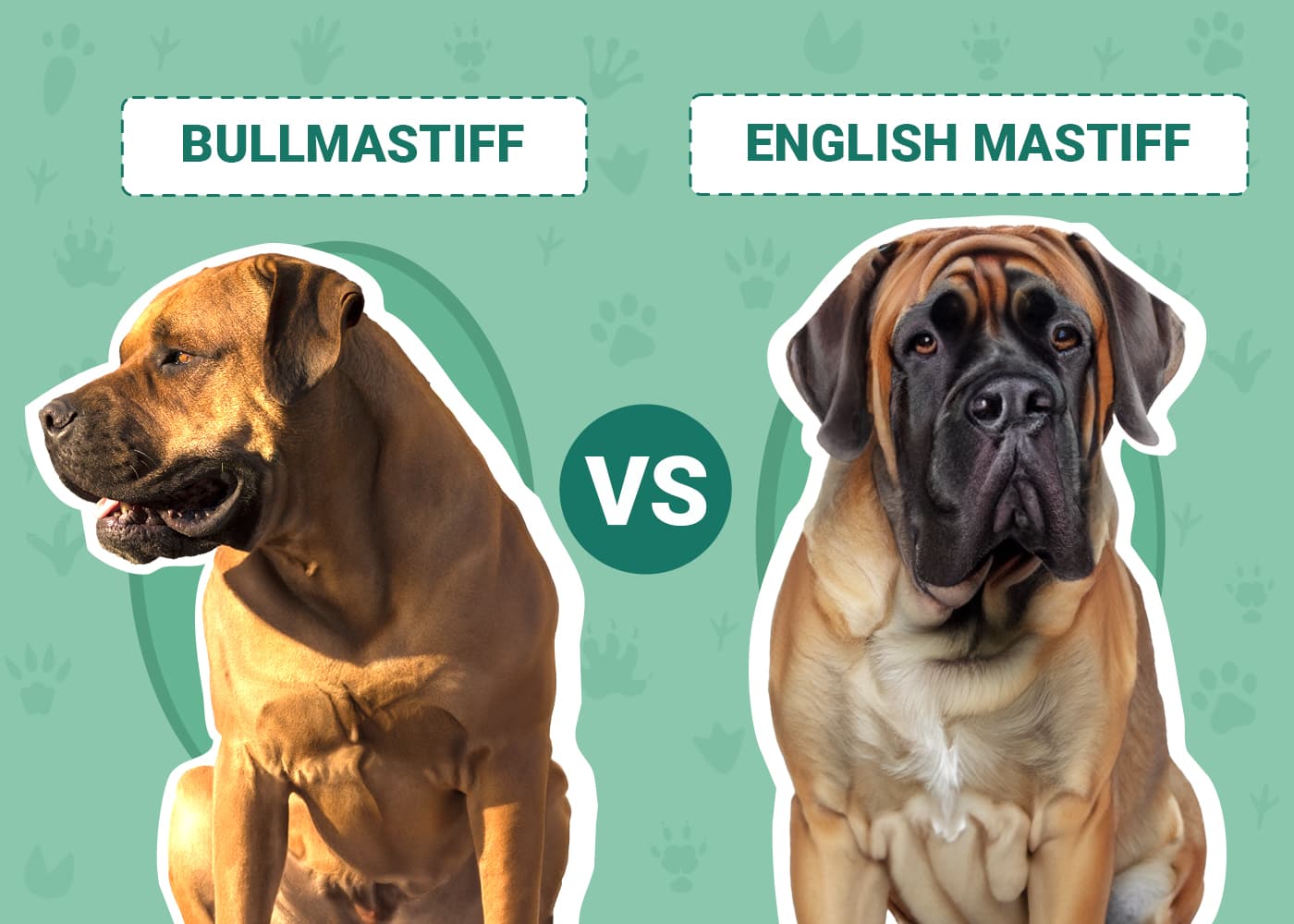
Trying to decide between a Bullmastiff and an English Mastiff as your next canine companion? While these two mastiff breeds have some similarities, there are also some key differences to be aware of. As a veterinarian and dog lover, I‘m here to break it all down for you. By the end of this article, you‘ll have a clear understanding of what sets these gentle giants apart so you can pick the perfect pooch for your lifestyle.
The Mighty Mastiffs: An Overview
First, let‘s cover some mastiff basics. Both the Bullmastiff and English Mastiff are large, muscular dogs originally bred for guarding and protection work. Mastiffs have an ancient lineage, with depictions of mastiff-type dogs dating back to Babylonian, Egyptian, Greek and Roman times. More recently, they served as war dogs and estate guardians. Today, these imposing but sweet-natured breeds are popular companions known for their loyalty and love of family.
But while Bullmastiffs and English Mastiffs share this working heritage, they diverged into distinct breeds with their own unique traits. Here‘s what you need to know about each:
Bullmastiff Basics
Height: 24-27 inches (males), 23-26 inches (females)
Weight: 100-130 pounds (males), 90-120 pounds (females)
Lifespan: 7-9 years
Coat: Short and dense, in fawn, red or brindle
English Mastiff Essentials
Height: 30+ inches (males), 27.5+ inches (females)
Weight: 160-230 pounds (males), 120-170 pounds (females)
Lifespan: 6-10 years
Coat: Short, close-lying, in apricot, brindle, fawn
As you can see, English Mastiffs have the edge in the size department. In fact, they‘re considered the largest dog breed, with some individuals tipping the scales at over 300 pounds! Bullmastiffs are more compactly built in comparison.
Both breeds have short, low-maintenance coats that shed moderately. Regular brushing and the occasional bath will keep them looking sharp. Mastiffs are also notorious droolers, so keep a hand towel at the ready.
Unfortunately, the mastiff‘s massive size comes at a cost – a relatively short lifespan. Bullmastiffs live an average of 7-9 years and English Mastiffs 6-10 years. Be prepared for high veterinary bills, as large breeds are prone to orthopedic issues and other health problems. Buying from a reputable breeder who screens for inheritable conditions is a must.
Temperament & Training
Proper training and socialization from puppyhood is absolutely essential with these powerful pooches. Fortunately, both breeds are bright and eager to please, although some may have a stubborn streak.
Bullmastiffs tend to be highly protective of their people and can be aloof with outsiders if not extensively socialized. Early, positive exposure to a variety of people and situations is critical to ensure your Bullmastiff grows into a confident, discriminating guardian rather than a suspicious or aggressive one. With their families, Bullmastiffs are affectionate and kid-friendly, if a bit boisterous.
English Mastiffs, on the other hand, are famous for being "gentle giants." They‘re more laid-back and tolerant than Bullmastiffs, and typically remain calm in the face of strangers as long as they‘ve been well socialized. While protective of their loved ones, English Mastiffs are usually less reactive than Bullmastiffs.
An important note: Bullmastiffs and English Mastiffs are sensitive souls who respond best to reward-based training methods. Harsh corrections can damage your relationship and make them shut down. Focus on building a bond of trust and using positive reinforcement to shape good manners.
Living Situation
Think carefully about your space and exercise requirements before bringing home a mastiff. Bullmastiffs can adapt to apartment life as long as they get out for daily walks and play sessions. English Mastiffs really thrive with room to romp. A securely fenced yard is ideal for both – these independent thinkers may take themselves on an adventure if given the chance!
Mastiffs have moderate exercise needs but don‘t let that thick build fool you – they still require regular workouts to stay physically and mentally fit. Shoot for at least 30-60 minutes per day of walking or gentle play, avoiding excessive jumping or endurance activities that can strain developing joints. Both breeds love to chew, so sturdy toys are a must unless you want your couch to become a mastiff snack.
With their short muzzles, mastiffs can overheat easily and have trouble breathing in hot weather. Keep them indoors during the height of summer, provide plenty of fresh water, and save exercise for cooler times of day. Never push them to exercise beyond their comfort level.
The Bottom Line
When it comes down to it, both Bullmastiffs and English Mastiffs can make wonderful companions for the right owners. The Bullmastiff may be the better pick if you want a more compact (but still huge!) guard dog who will be devoted to you and your family. The English Mastiff is the top dog if you have plenty of room and prefer a more easygoing gentle giant.
Regardless of which magnificent mastiff you choose, you‘ll be gaining a loyal, loving friend who will stick by your side through thick and thin. Just make sure you‘re prepared for some slobber along the way!