Can Dogs Eat Honey? A Vet‘s Perspective on Nature‘s Golden Elixir
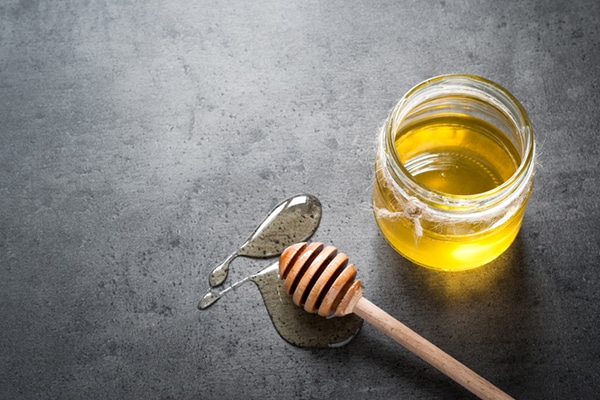
As a veterinarian and lifelong dog lover, I‘m always on the lookout for natural, healthy foods to add variety to my pups‘ diets. One versatile ingredient that often comes up in conversation with fellow pet parents is honey. This sweet, golden liquid has been treasured by humans for millennia – but is it safe and beneficial for our canine companions? Let‘s take a closer look at the science behind feeding honey to dogs.
Honey Nutrition Facts
Honey is a concentrated source of natural sugars, trace enzymes, amino acids, vitamins, minerals and antioxidants. According to the USDA, a typical 1 tablespoon serving of honey contains:
- Calories: 64
- Protein: 0.1 grams
- Fat: 0 grams
- Carbohydrates: 17.3 grams
- Sugars: 16 grams
- Fiber: 0.1 grams
While honey is predominantly composed of sugar, it also contains small amounts of several vitamins and minerals, including:
- Vitamin B6: 1% DV
- Vitamin C: 1% DV
- Riboflavin: 1% DV
- Copper: 2% DV
- Iron: 1% DV
- Manganese: 1% DV
In addition, natural raw honey provides beneficial antioxidants such as flavonoids and phenolic compounds. Darker honeys tend to be even higher in these health-promoting substances.
Is Honey Safe for Dogs?
In general, honey is safe to feed to dogs in limited quantities. Honey is non-toxic to dogs and contains nothing inherently harmful to them when eaten in moderation. However, honey is extremely high in sugar, with 1 tablespoon containing 16 grams of sugars and 64 calories.
Eating large amounts of sugary foods like honey can contribute to several health issues in dogs:
- Tooth decay and gum disease
- Weight gain and obesity
- Diabetes and insulin resistance
- Digestive upset (diarrhea)
- Metabolic changes
- Allergic reactions (rare)
Therefore, honey should only be offered occasionally in very small quantities as a treat – no more than 1 teaspoon per day for small dogs and 1 tablespoon for large breeds. It should not be a staple of your dog‘s regular diet.
Puppies and dogs with weakened immune systems may be at risk of botulism if they ingest raw honey containing botulinum spores, so it‘s best to avoid feeding honey to these groups altogether.
Health Benefits of Honey for Dogs
Despite the need for moderation due to its high sugar content, feeding small amounts of honey may provide some health benefits for dogs.
Wound Healing
Honey has been used for thousands of years in folk and traditional medicine to help heal wounds and skin infections. Modern research suggests there is strong scientific evidence for the efficacy of certain types of honey in wound care.
Honey has several bioactive properties that may promote healing:
- Antimicrobial activity to prevent/treat infection
- Anti-inflammatory effects to reduce swelling and pain
- Antioxidant action to fight damaging free radicals
- Immune system stimulation
- Enhanced skin cell growth and collagen production
A 2017 review article in the Journal of Tissue Viability notes that medical grade honey can be an effective treatment for:
- Burns and scalds
- Traumatic injuries and lacerations
- Surgical wounds
- Diabetic foot ulcers
- Pressure sores
While most studies have been conducted using medical grade Manuka honey, other raw, unpasteurized honeys may have similar (though less potent) wound healing abilities when applied topically. Of course, always consult your veterinarian before trying to treat your dog‘s wounds at home.
Kennel Cough Relief
One common home remedy for the coughing and throat irritation associated with kennel cough in dogs is to give a spoonful of honey. Honey forms a soothing film over the throat to calm coughing, while the antimicrobial properties can help fight off the Bordetella bacteria that causes kennel cough.
A 2012 study in Pediatrics found that honey was more effective at reducing nighttime coughing and improving sleep in children than the over-the-counter medicine dextromethorphan. Anecdotal reports from dog owners suggest it may have similar benefits for our canine friends with kennel cough.
To alleviate mild kennel cough symptoms, you can feed your dog a half to 1 teaspoon of honey 3-4 times per day. Never use honey as a replacement for veterinary care for a sick dog, however. If the cough persists for more than a few days, it‘s time to see the vet.
Seasonal Allergy Support
Like humans, many dogs suffer from seasonal environmental allergies that cause symptoms like itchy skin, runny eyes, sneezing, paw licking, and ear infections. Some holistic vets believe that the traces of pollen in raw local honey can actually help reduce the allergic response over time, similar to how allergy shots work.
The idea is that by ingesting small amounts of the allergens in honey regularly, the dog‘s immune system learns to recognize them as non-threatening and stops overreacting. Proponents recommend feeding a dog 1 teaspoon of raw, unfiltered, local honey once daily to help alleviate allergies naturally.
However, it‘s important to note that the efficacy of honey for dog allergies remains scientifically unproven. A 2013 study in the Annals of Allergy, Asthma & Immunology found no significant benefits of eating local honey for human allergy sufferers.
More research is needed to determine whether honey has measurable effects on canine environmental allergies. If your dog has severe allergies, it‘s best to consult your veterinarian for proven medical treatments.
Digestive Health
Honey is a unique natural product in that it contains small amounts of several substances that may support a healthy gut microbiome:
- Prebiotics (oligosaccharides)
- Probiotics (beneficial bacteria)
- Enzymes (glucose oxidase, invertase, etc.)
Preliminary studies suggest the combination of probiotics, prebiotics and enzymes in honey could potentially have a synergistic effect in promoting the growth of good gut bacteria, combating pathogens, reducing inflammation and aiding digestion.
For dogs with sensitive stomachs or occasional diarrhea, a little honey may provide some relief by soothing the digestive tract and restoring a healthier balance of microbes. A general guideline is to feed about 1 teaspoon of honey per 20 pounds of body weight daily for digestive health.
Again, these gut health benefits of honey for dogs are still theoretical and require much more scientific validation in clinical studies. Never attempt to treat chronic digestive issues or serious illnesses with honey alone.
How to Feed Honey to Your Dog
If you want to incorporate honey into your dog‘s diet, always start slowly and feed in moderation to avoid digestive upset. Here are some simple ideas for feeding honey to dogs safely:
- Offer a small lick of honey (about 1/2 teaspoon for small dogs and 1 teaspoon for large dogs) as an occasional treat
- Use a dollop of honey to help conceal a pill or medication
- Drizzle a thin stream of honey over your dog‘s food as a "topper"
- Stuff a Kong toy with kibble and a little honey
- Mix honey into homemade dog treat recipes
- Freeze diluted honey in ice cube trays for a refreshing summer treat
- Add honey to your dog‘s water bowl to encourage hydration
In general, limit honey intake based on your dog‘s size:
- 1/2 teaspoon per day for small dogs (<20 lbs)
- 1 teaspoon per day for medium dogs (20-50 lbs)
- 1 tablespoon per day for large dogs (>50 lbs)
Be sure to account for the extra calories from honey and reduce other treats as needed to prevent weight gain. If you notice any adverse symptoms after feeding honey, such as itching, swelling, trouble breathing, lethargy, vomiting or diarrhea, discontinue use and contact your vet right away.
Alternatives to Honey for Dogs
If you‘re concerned about the high sugar content of honey, there are plenty of other natural options that can provide a hint of sweetness or extra nutrition in a healthier way:
-
Pureed fruits: Applesauce, banana, blueberries, cantaloupe, mango, pumpkin, raspberries, strawberries and watermelon can all be blended into a lickable puree as a sweet treat.
-
Vegetable purees: Sweet potatoes, carrots, butternut squash and peas are naturally sweet and rich in beneficial nutrients for dogs.
-
Nut butters: Peanut butter, almond butter and cashew butter are safe in moderation and can help hide pills. Choose unsweetened and xylitol-free varieties.
-
Unsweetened yogurt: Plain Greek yogurt is high in protein and probiotics for digestive health. Many dogs love the creamy texture.
-
Carob: This chocolate substitute is safe for dogs and can be used in baked treats. Carob is high in fiber and antioxidants.
-
Coconut: Unsweetened coconut flakes or coconut milk can add a hint of natural sweetness and healthy fats to your dog‘s food.
-
Cinnamon: A sprinkle of Ceylon cinnamon may help freshen breath and is safe for dogs in small quantities.
As with any new food, introduce alternatives to honey slowly and watch for any negative reactions. Your vet can also provide personalized advice on the best treats and supplements for your individual dog.
The Bottom Line
So, can dogs have honey? The answer is yes, the vast majority of adult dogs can safely consume honey in limited amounts. Used sensibly, honey may provide some beneficial vitamins, minerals, antioxidants and antimicrobial properties to help keep your pup healthy.
However, honey is not an essential part of a balanced canine diet and should be fed primarily as an occasional high-value treat due to its very high sugar content. If your dog has diabetes, is overweight, prone to dental issues or has a sensitive stomach, it‘s best to avoid honey altogether or get approval from your veterinarian first.
When you do share a bit of honey with your dog, stick to small servings of pasteurized honey from a trusted local source. Offer honey as a lick from a spoon, a thin drizzle over food, a pill concealer, a treat ingredient or a stuffing for a toy – just don‘t overdo it.
At the end of the day, the best way to show love for your dog is to provide a nutritionally complete diet, plenty of fresh water, regular veterinary care, a safe environment, positive training and lots of attention. A teaspoon of honey here and there is just a small extra way to add a little natural sweetness to your pup‘s day!