Schipperke: Info, Pictures, Facts, & Traits
Are you looking for a small dog with a larger-than-life personality? Then allow me to introduce you to the schipperke! These little black dogs, hailing from Belgium, are known for their confidence, alertness, and loyalty. But living with a schipperke is never dull – their inquisitive, independent nature will keep you on your toes.
As a longtime dog lover and veterinarian, I‘ve had the pleasure of getting to know many schipperkes over the years. And the more I learn about them, the more I appreciate the unique personality of this often overlooked breed. So let‘s dive into what makes the schipperke tick and whether they might be the right dog for you.
The Little Captain: Schipperke History and Origins
To really understand the schipperke personality, it helps to know a bit about their history. The breed originated in Belgium, with written records dating back to the 1600s. Their name comes from the Flemish word "schip" meaning boat.
Schipperkes served as excellent ratters and watchdogs on the barges that traveled the canals of Belgium. Given their small size, they didn‘t take up much room on the boats. But they more than earned their keep by fearlessly dispatching any rats onboard and alerting the crew of anything suspicious. This earned them the nickname "little captain."
Over time, schipperkes transitioned from working dogs to companions, especially popular with middle-class Belgian families. They arrived in the United States in the late 1800s and were recognized by the American Kennel Club in 1904.
While they are no longer found on the decks of canal boats, the schipperke‘s working history still shines through in their personality today. The same traits that made them excel as ratters and watchdogs – like alertness, independence, and boldness – shape what they are like as companion animals and family pets in the 21st century.
Mighty Things in Small Packages: The Schipperke Look
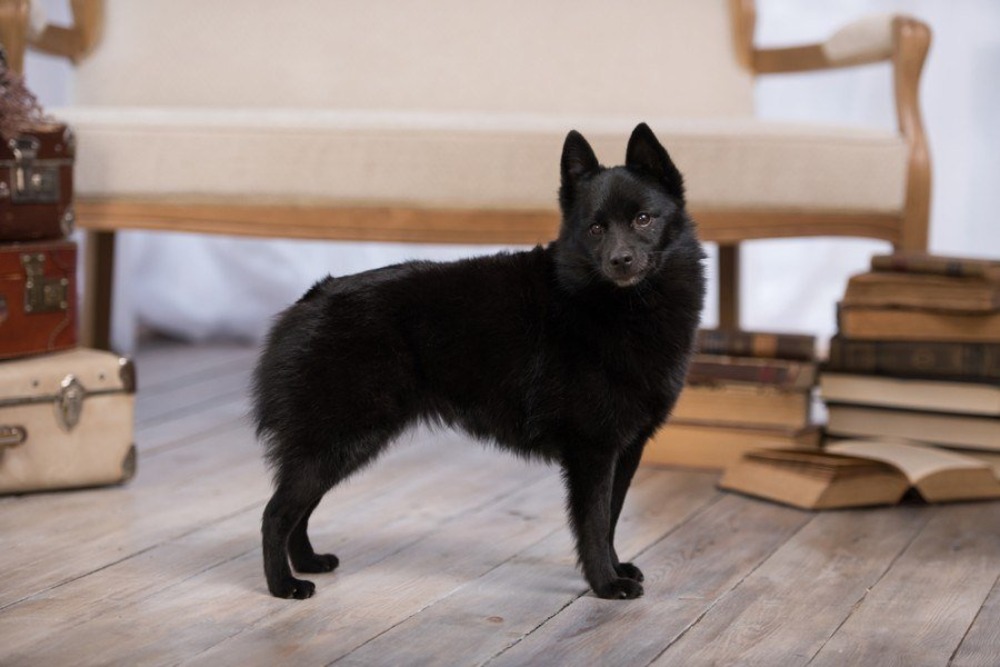
Before we get to personality, let‘s talk about the adorable schipperke appearance. Schipperkes are small dogs, typically weighing 10-16 pounds and standing 10-13 inches tall at the shoulder. They have a distinctive look with a thick black coat, pointy ears, and a foxlike face.
One of their most recognizable features is their lack of tail. Schipperkes are born with a tail, but it is traditionally docked shortly after birth. Some puppies are born with a naturally bobbed tail. In some countries, tail docking is now banned, so you may see schipperkes with full tails.
The schipperke‘s double coat is pretty low maintenance in terms of grooming. They shed moderately year-round and will "blow coat" once or twice a year. Weekly brushing and the occasional bath is typically sufficient to keep a schipperke looking smart.
I think most will agree that there‘s something undeniably charming about the schipperke look, from their gleaming black coat to bright, inquisitive eyes. But as we‘ll see, it‘s the personality in that small package that really makes them stand out from the crowd.
Small Dog Syndrome: Inside the Schipperke Mind
Ask schipperke owners to describe their dogs and you‘ll often hear words like confident, independent, alert, curious, and loyal. Schipperkes tend to have big personalities in compact bodies. They are the kind of dogs that march to the beat of their own drum.
As one owner shared, "My schipperke Beau absolutely knows his own mind. He‘s affectionate with his people but it has to be on his terms. He‘s not the kind of dog that will obey commands just to please you. There has to be something in it for him!"
This independent streak can manifest as stubbornness at times, especially during training. Motivating with lots of positive reinforcement, treats, and fun is key. With patience and consistency, schipperkes are bright and can learn quickly. But don‘t expect unquestioning obedience from this free-thinking breed.
That alertness that served schipperkes so well as watchdogs is still very much present. They are extremely observant and don‘t miss a trick. This can translate into barking to let you know about anything and everything. Teaching a "quiet" command is a must for maintaining domestic harmony.
The watchfulness combined with their small size and bold nature also means schipperkes aren‘t always the most welcoming of strangers. They tend to be aloof and suspicious of new people until properly introduced. Early and ongoing socialization is important for helping schipperkes learn to discriminate between friend and foe.
When it comes to their own family, schipperkes bond very deeply. They absolutely adore their people and want to be involved in everything you do. This loyalty and affection more than make up for any stubborn, independent quirks in most owners‘ minds. Living with a schipperke means always having a clever, devoted sidekick along for the ride.
Energy and Antics: Life With a Schipperke
I always tell prospective schipperke owners – be prepared for an active, curious, and playful companion! These little dogs have big energy levels. They are always on the go, sticking their noses into everything.
A typical day in the life of a pet schipperke will involve plenty of playtime, whether chasing toys, playing games with their humans, or zooming around the yard. They also love going for walks, hikes, and other outings. Don‘t let their size fool you – most schipperkes have good endurance and are up for adventures.
Giving your schipperke‘s clever mind plenty to do is also key. These are thinking dogs that need mental exercise in addition to physical. Interactive puzzle toys, hiding treats around the house for them to find, and training sessions are great ways to challenge their intelligence.
Another trait to be aware of is schipperkes‘ prey drive. As former ratters, they have strong instincts to chase small, fast-moving things. This means they generally aren‘t trustworthy off-leash and need to be in a securely fenced area when outdoors. It also means they may view smaller pets like rabbits, guinea pigs, and even cats as potential prey.
Even with members of their own species, schipperkes can sometimes be scrappy. They won‘t back down from a challenge, even from much bigger dogs. This boldness has earned them a reputation for having a "Napoleon complex." Teaching your schipperke to greet other dogs politely is an important part of training.
In general, schipperkes aren‘t the best fit for households with very young children. Their small size means they can easily be injured by rough or clumsy handling. And their independent nature means they don‘t always have endless patience for kids‘ antics. They do best with older, respectful children.
With the right outlets for their smarts and energy – and an understanding of their strong-willed nature – schipperkes can thrive in many different settings. From apartments to houses, they are adaptable and portable companions. Just be mindful that their "big dog" bark can be an issue in close living quarters!
Conclusion: Is a Schipperke Your Ideal First Mate?
With their perky ears, foxy faces, and lively demeanor, schipperkes are undeniably appealing. But it‘s important to look beyond the cute exterior to the true schipperke personality within. These independent thinkers aren‘t for everyone – but if you appreciate a dog with some spunk and spirit, they just might sail away with your heart.
Living with a schipperke means embracing a dog that knows their own mind. Yes, they can be willful and determined. Training requires patience, good humor, and lots of treats. And their watchful nature, complete with alarm barking, isn‘t for the faint of heart.
But for the right person, a schipperke‘s loyalty, affection, playfulness, and flat-out amusing antics more than make up for any challenges. You‘ll have a dog that keeps you laughing, always wants to tag along on adventures, and will defend you with all of their mighty 12 pounds.
Schipperkes are still fairly rare, ranking 119th out of 197 breeds in AKC registration numbers in 2021. But for the lucky few who get to know them, these "little captains" have oversized personalities that leave a lasting impression. If you‘re ready to set sail with a clever, confident, and adventuresome first mate, a schipperke might just be your perfect co-pilot.