Can Dogs Get Salmonella? A Comprehensive Guide for Dog Lovers
As devoted dog owners, we all want what‘s best for our furry family members. We go to great lengths to keep them healthy and happy, from regular vet check-ups to premium food and plenty of love and attention. But even with the best care, our dogs can sometimes fall ill from hidden dangers lurking in their environment or diet.
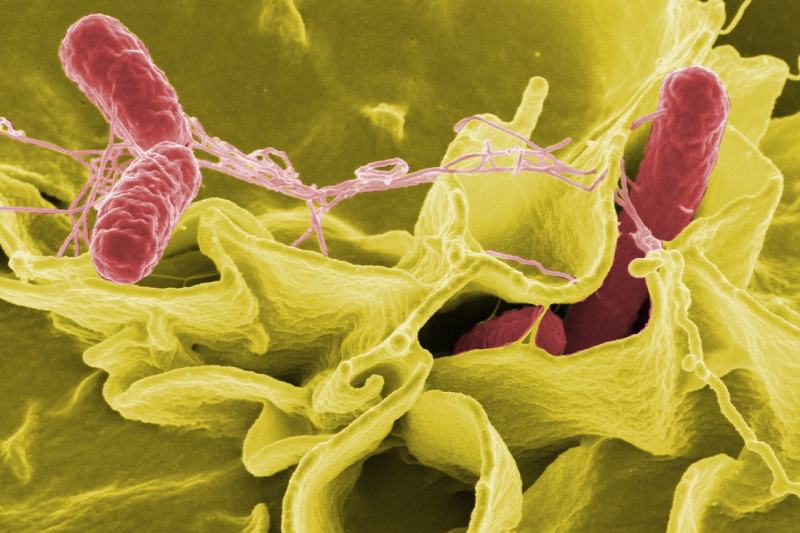
One of these potential threats is salmonella – a bacteria that can cause serious gastrointestinal illness in both dogs and humans. While many people know salmonella as a food poisoning risk, not all dog owners realize their canine companions are also susceptible.
In fact, salmonella is one of the most common bacterial infections in dogs. According to a study published in the Journal of Veterinary Internal Medicine, up to 23% of healthy dogs may harbor salmonella in their digestive tract at any given time. And dogs fed raw diets are at even higher risk – one analysis found that a staggering 80% of raw-fed dogs tested positive for salmonella.
So what do you need to know to keep your beloved pup safe from this pervasive pathogen? In this comprehensive guide, we‘ll cover everything from how dogs contract salmonella to recognizing the signs and preventing infection. Let‘s dive in.
How Do Dogs Get Salmonella?
There are several ways your dog can pick up a salmonella infection, but the most common route is through ingesting contaminated food or water. Raw and undercooked meat, poultry, and eggs are frequent culprits, as they can harbor salmonella bacteria that are normally killed through proper cooking.
The growing popularity of raw diets for dogs has veterinarians and public health officials sounding the alarm about salmonella risk. In a study published in the Canadian Veterinary Journal, researchers found that 21% of raw poultry diets and 16% of raw red meat diets tested positive for salmonella contamination.
But even dogs on cooked, commercial diets aren‘t completely in the clear. Salmonella outbreaks linked to dry dog food and dog treats have led to multiple recalls in recent years. In 2012, a major brand of dry dog food was pulled from shelves after it sickened nearly 50 people across 20 states with salmonella, many of whom had contact with dogs consuming the food.
Dogs can also contract salmonella by drinking from contaminated water sources, like puddles or streams. Wildlife and other domestic animals can shed the bacteria in their stool, which can then make its way into standing water. This is one reason it‘s so important to provide your dog with fresh, clean water at all times.
Finally, some dogs may become infected through direct contact with the feces of another animal carrying salmonella. This could be from sniffing or licking contaminated ground, sharing a litter box with an infected cat, or even encountering salmonella-tainted feces from an unfamiliar dog during a trip to the park.
Signs and Symptoms of Salmonella in Dogs
So how can you tell if your dog may have contracted salmonella? The hallmark symptoms are similar to other gastrointestinal illnesses and may include:
- Diarrhea (often bloody or mucousy)
- Vomiting
- Fever
- Lethargy and weakness
- Decreased appetite
- Dehydration
- Abdominal pain and swelling
- Rapid heart rate
- Enlarged lymph nodes
Symptoms typically appear within 72 hours of infection and can last for several days to a week or longer. Many dogs develop only mild signs, while others can become severely ill. Puppies, senior dogs, and those with weakened immune systems are at the highest risk for serious complications.
It‘s important to note that some dogs may carry salmonella without any outward signs of illness. These asymptomatic carriers can still shed the bacteria in their feces for weeks or even months, potentially infecting other pets or people in the household.
In a 2015 study of shelter dogs, researchers found that 25% of apparently healthy dogs tested positive for salmonella, many of whom remained asymptomatic. This highlights the importance of good hygiene practices for all dog owners, even if your pup seems perfectly healthy.
Diagnosing and Treating Salmonella in Dogs
Because the symptoms of salmonella can mimic other canine GI illnesses, getting a definitive diagnosis is critical. If you suspect your dog may have salmonella based on their symptoms, see your veterinarian right away.
Your vet will start with a thorough history and physical exam. They‘ll likely ask about your dog‘s diet, any recent travel or boarding, and if they‘ve had exposure to other sick animals. The clinical exam may reveal signs like fever, dehydration, abdominal tenderness, and enlarged lymph nodes.
To reach a definitive diagnosis, your vet may recommend some additional testing:
- Fecal culture and PCR tests to detect salmonella bacteria in stool
- Blood tests to check for systemic infection and electrolyte imbalances
- Radiographs (X-rays) or ultrasound to assess the intestines for damage
Once salmonella is confirmed, treatment generally involves a combination of antibiotics to fight the infection and supportive care to manage symptoms. Most dogs will require a course of oral antibiotics for at least 3-4 weeks, even after symptoms have resolved.
Dogs with severe diarrhea and vomiting may need IV fluid therapy to prevent or correct dehydration. Anti-nausea medications can be given to control vomiting and help your dog regain their appetite. A bland, low-fat diet is typically recommended to help the inflamed intestines recover.
In some cases, salmonella can lead to serious and even life-threatening complications in dogs. Sepsis, organ damage, and spontaneous abortion in pregnant dogs have all been reported. Prompt and aggressive treatment is essential to avoid the worst outcomes.
Fortunately, the majority of dogs will make a full recovery with appropriate veterinary care and a little extra TLC at home. Be sure to follow your vet‘s recommendations closely and practice good hygiene to avoid spreading the infection to other pets or people in your household.
Preventing Salmonella: What Dog Owners Need to Know
As the saying goes, an ounce of prevention is worth a pound of cure. When it comes to salmonella, taking steps to reduce your dog‘s exposure is the best way to keep them safe and healthy. Here are some key prevention tips:
-
Avoid raw diets. The evidence is clear that feeding raw meat significantly increases the risk of salmonella and other foodborne illnesses. Stick to high-quality, commercial dog foods that are formulated to meet your pup‘s nutritional needs without the pathogen risk.
-
Practice good hygiene. Always wash your hands thoroughly after cleaning up dog waste, preparing your dog‘s food, or touching any potentially contaminated surfaces. Regularly disinfect your dog‘s food and water bowls, bedding, and toys.
-
Supervise your dog outdoors. Don‘t let your dog drink from stagnant water sources like puddles or ponds, which can harbor salmonella and other pathogens. Keep a close eye on your pup at the dog park and steer them clear of any feces left behind by other dogs.
-
Choose dog treats carefully. Some popular dog treats like pig ears, bully sticks, and rawhide have been linked to salmonella outbreaks. Look for treats that are fully cooked and made by reputable companies that follow strict safety protocols. Always wash your hands after handling any dog treats.
-
Consider probiotics. Emerging research suggests that probiotics may help prevent salmonella colonization in the gut by promoting the growth of beneficial bacteria. Talk to your vet about adding a canine-specific probiotic supplement to your dog‘s routine.
-
Stay current on food recalls. Unfortunately, even commercial pet foods can sometimes become contaminated with salmonella during processing or packaging. Keep an eye on the FDA‘s list of recalled pet products and act quickly if a food or treat you use is affected.
The Emotional Toll of a Sick Dog
As devoted dog lovers, seeing our furry friend fall ill can be an incredibly stressful and emotional experience. When that illness is something as serious as salmonella, the worry and uncertainty can feel overwhelming.
You may find yourself second-guessing your every decision, from the food you‘ve been feeding to the last time you cleaned their water bowl. The guilt and anxiety over whether you could have done something to prevent this can be all-consuming.
On top of the emotional strain, there are practical considerations to contend with. Veterinary care for a sick dog can be costly, especially if they require hospitalization or prolonged treatment. You may need to take time off work to care for your recovering pup or make difficult decisions about quarantining them from other pets in the home.
It‘s important to remember that even the most responsible and attentive dog owners can‘t completely eliminate the risk of salmonella. This crafty bacteria has evolved to survive in many different environments, and exposure can sometimes happen despite our best efforts.
The key is to focus on what you can control – providing your dog with prompt medical care, following your vet‘s recommendations to the letter, and maintaining open communication about any concerns. Don‘t be afraid to reach out to friends, family, or a professional counselor for support during this challenging time.
With patience, love, and a healthy dose of precaution, you and your loyal companion can weather this storm and emerge even stronger on the other side. Because at the end of the day, that‘s what being a dog lover is all about – being there for your pup through sickness and health, rain or shine. They‘d do the same for you in a heartbeat.
The Bottom Line
Salmonella is a serious but often overlooked threat to our canine companions. By staying informed about the risks, signs, and prevention strategies, you can help keep your dog safe from this pervasive pathogen.
Remember, even seemingly healthy dogs can carry salmonella, so practicing good hygiene and sanitation is always a must. If you suspect your dog may be infected, don‘t wait – contact your veterinarian right away for guidance.
As dog lovers, it‘s up to us to be our pets‘ strongest advocates and protectors. With a little knowledge and a lot of TLC, we can give our furry friends the best possible chance at a long, healthy, salmonella-free life.
Because when it comes to the love of a dog, there‘s nothing we wouldn‘t do to keep that tail wagging for years to come.