My Dog Ate Nutella: A Vet‘s Guide to Chocolate Hazelnut Spread Toxicity
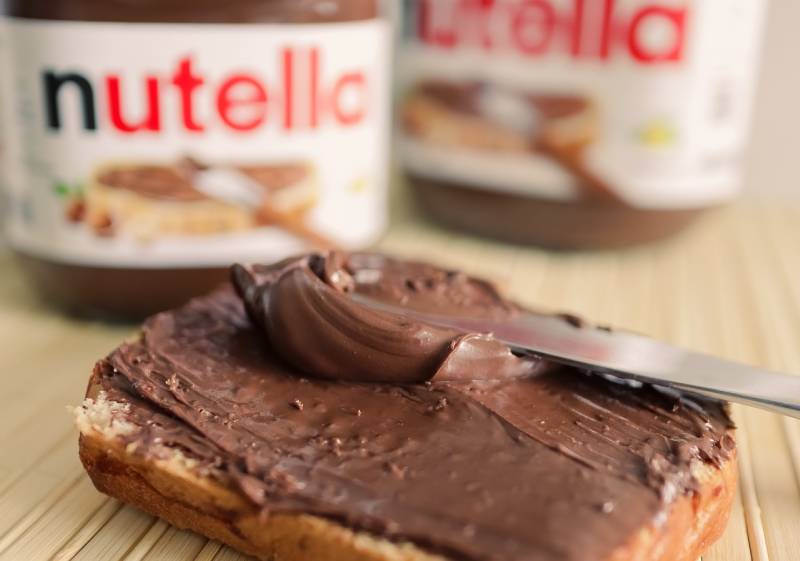
As a dedicated dog lover and veterinarian, I know all too well the panic that ensues when your curious canine gets into something they shouldn‘t. One of the most common culprits? Nutella, that irresistible chocolate hazelnut spread that‘s become a global phenomenon. But as tempting as it is to share a little lick of Nutella with your furry friend, it‘s important to understand the potential dangers this sweet treat poses to dogs.
In this comprehensive guide, we‘ll dive deep into the world of Nutella and canine toxicity. From understanding the ingredients that make Nutella hazardous to recognizing the signs of chocolate poisoning, to knowing when to seek veterinary care and how to prevent future food mishaps, we‘ll cover everything you need to know to keep your beloved pup safe and healthy.
What exactly is in Nutella and why is it bad for dogs?
Nutella is a wildly popular sweetened hazelnut cocoa spread that was first introduced by Italian company Ferrero in 1964. Originally created as a way to stretch limited cocoa supplies after World War II, Nutella now outsells all brands of peanut butter worldwide.
But as delicious as this chocolatey concoction is for humans, it‘s no treat for our canine companions. Let‘s break down the key ingredients in Nutella and examine why they spell trouble for dogs:
| Ingredient | Percentage | Risks for Dogs |
|---|---|---|
| Sugar | 56.7% | Obesity, diabetes, dental issues |
| Palm Oil | 25% | High fat content, pancreatitis risk |
| Hazelnuts | 13% | Non-toxic but high calorie |
| Skim Milk Powder | 5.6% | Lactose intolerance in some dogs |
| Cocoa | 7.4% | Toxic theobromine and caffeine |
| Soy Lecithin | 0.5% | Minimal, potential allergen |
| Vanillin | <0.1% | Non-toxic artificial flavoring |
Source: Nutella.com
As you can see, sugar makes up over half of Nutella‘s composition, with palm oil coming in second place. Just one 15g tablespoon of Nutella packs in 8.5g of sugar and 5g of fat, adding up to 100 calories. For a 20lb dog, that‘s the equivalent of a human scarfing down 3 full-size Snickers bars!
All that added sugar and fat provides zero nutritional benefit for dogs and can lead to concerning health issues like obesity, diabetes, dental decay, and even painful pancreatitis in susceptible dogs. But the real danger lies in that seemingly small 7.4% of cocoa.
Why is chocolate toxic to dogs?
Chocolate contains two naturally occurring stimulants called theobromine and caffeine. Derived from the cacao bean, these methylxanthine compounds are the reason we humans experience a little buzz after indulging in a chocolate treat.
The problem is, dogs metabolize theobromine and caffeine far differently than we do. While the human body can break down and eliminate theobromine within 6-10 hours, it can take 18 hours or more for dogs to process theobromine. This allows the substance to accumulate in the dog‘s system and reach potentially toxic levels.
The amount of theobromine varies significantly between different types of chocolate. In general, the darker and more bitter the chocolate, the higher the concentration of theobromine. Here‘s how it breaks down:
| Chocolate Type | Theobromine | Caffeine |
|---|---|---|
| Cocoa Powder | 800 mg/oz | 70 mg/oz |
| Baker‘s Chocolate | 450 mg/oz | 60 mg/oz |
| Dark Chocolate | 135 mg/oz | 20 mg/oz |
| Milk Chocolate | 44-60 mg/oz | 5-10 mg/oz |
| White Chocolate | 0.25 mg/oz | 0.85 mg/oz |
Source: Merck Veterinary Manual
So where does Nutella fall on this toxicity scale? With a cocoa content of just 7.4%, Nutella contains far less theobromine than pure chocolate – about 15mg per ounce. In contrast, the same amount of milk chocolate contains 44-60mg of theobromine, while an ounce of dark chocolate packs a whopping 135mg punch.
That means it takes a lot more Nutella than chocolate to poison a dog. But don‘t breathe a sigh of relief just yet. Even a small amount of the hazelnut spread can still wreak havoc on a dog‘s system, especially in petite pooches and those with underlying health issues.
How much Nutella is toxic to dogs?
So how much Nutella does it take to make a dog sick? The toxic threshold varies based on the size and sensitivity of the dog. As a general rule of thumb, it takes about 1.5 tablespoons of Nutella per 10 pounds of body weight to pose a risk of acute theobromine toxicity. Here‘s a breakdown:
| Dog Weight | Mild Toxicity | Severe Toxicity |
|---|---|---|
| 10 lbs | 1.5 tbsp | 3 tbsp |
| 20 lbs | 3 tbsp | 6 tbsp |
| 30 lbs | 4.5 tbsp | 9 tbsp |
| 40 lbs | 6 tbsp | 12 tbsp |
| 50 lbs | 7.5 tbsp | 15 tbsp |
| 60 lbs | 9 tbsp | 18 tbsp |
| 70 lbs | 10.5 tbsp | 21 tbsp |
| 80 lbs | 12 tbsp | 24 tbsp |
Of course, these are just guidelines. Some dogs may be more sensitive and experience toxicity at lower doses, while others may have a higher tolerance. Factors like age, overall health status, and medications can all impact how a dog reacts to a dose of Nutella.
Dr. Jerry Klein, Chief Veterinary Officer for the American Kennel Club, notes that "puppies and senior dogs tend to be more susceptible to theobromine toxicity, as are dogs with pre-existing liver or heart disease. Breeds like Yorkshire Terriers, Chihuahuas, and Miniature Schnauzers also tend to have a lower toxic threshold due to their petite size."
It‘s also important to consider the cumulative effect of theobromine. Unlike humans, dogs don‘t efficiently clear theobromine from their systems. If a dog ingests small amounts of chocolate or Nutella over time, the toxin can accumulate and reach dangerous levels.
Signs and symptoms of Nutella and chocolate toxicity in dogs
The onset and severity of chocolate toxicity symptoms depends on the size of the dog, the amount and type of chocolate ingested, and individual sensitivity. In most cases, symptoms will appear within 6-12 hours of ingestion and can last up to 72 hours. Here are the signs to watch for:
Mild symptoms:
- Vomiting and diarrhea
- Increased thirst
- Restlessness and hyperactivity
- Rapid breathing
- Increased urination
Moderate symptoms:
- Rapid or irregular heartbeat
- Muscle tremors and twitching
- Elevated body temperature
- Seizures
Severe symptoms:
- Cardiac arrhythmia
- Hypotension (low blood pressure)
- Coma
- Death
According to the Pet Poison Helpline, an animal poison control service, "the most common symptoms we see with chocolate ingestion are vomiting, diarrhea, increased thirst, panting, and restlessness. In severe cases, muscle tremors, seizures, and heart issues can develop."
The ASPCA Animal Poison Control Center reports that out of the 208 calls they received related to theobromine toxicity last year, 22% of cases resulted in clinical signs. The most frequently reported symptoms were vomiting (78%), tachycardia (39%), agitation (34%), diarrhea (23%), and muscle tremors (12%). While rare, 5 cases resulted in fatalities, all of which involved very large ingestions of dark chocolate or unsweetened baker‘s chocolate.
What to do if your dog eats Nutella
If you discover evidence that your dog got into the Nutella jar, don‘t panic. Take a deep breath and follow these steps:
-
Assess the amount consumed: Carefully examine the container or wrapper to estimate how much Nutella your dog ingested. If there are multiple dogs in the household, try to determine which dog(s) ate the Nutella.
-
Determine the risk: Consider your dog‘s size and use the toxicity thresholds listed above to determine if they are at risk of toxicity. When in doubt, err on the side of caution.
-
Call for backup: Contact your regular veterinarian, local emergency animal hospital, or pet poison control hotline for guidance. Be ready to provide your dog‘s weight, the estimated amount of Nutella ingested, and the timing of ingestion.
-
Monitor for symptoms: If your vet determines your dog consumed a non-toxic dose, you‘ll still want to observe your pup closely for the next 24-48 hours. Watch for any signs of restlessness, vomiting, diarrhea, rapid breathing, tremors, or seizures. If you note any abnormal symptoms, contact the vet immediately.
-
Follow the treatment plan: For dogs that ate larger amounts of Nutella, veterinary care may be necessary. Your vet may advise you to bring your dog in immediately to induce vomiting, administer activated charcoal to bind the toxins, or provide supportive care like IV fluids and heart monitoring. Never try to induce vomiting at home without consulting the vet first, as some substances can cause more harm coming back up.
-
Prevent future incidents: Once the crisis has passed, take steps to ensure your crafty canine can‘t get into the Nutella or other dangerous foods again. Keep Nutella and all chocolates secured in a closed pantry or high cabinet well out of your dog‘s reach. Use baby gates or crates to restrict your dog‘s access to the kitchen unsupervised.
Nutella Alternatives and Preventing Exposure
As a devoted dog parent, the best way to avoid a scary Nutella emergency is to keep this sweet spread strictly on the human menu. Reserve the Nutella as a people-only treat and spoil your pup with these dog-safe alternatives instead:
- Peanut butter (xylitol-free)
- Pumpkin puree (canned or fresh)
- Sweet potato (cooked and mashed)
- Unsweetened applesauce
- Mashed banana
- Plain yogurt
- Steamed veggies (green beans, carrots)
- Commercial dog treats and biscuits
When it comes to preventing counter surfing and food snatching, consistency is key. Use positive reinforcement training to teach your dog the "leave it" command and reward them with dog-appropriate treats when they obey. Keep tempting people foods well out of reach and never feed from the table to avoid encouraging begging.
If your dog is prone to mischief, consider using a crate or designated safe room to prevent unsupervised access to the kitchen and dining areas. Provide plenty of interactive toys and food puzzles to keep your pup mentally stimulated and less likely to go seeking trouble.
For those who really want to share the Nutella experience with their pup, you can try whipping up a dog-safe "faux-tella" at home. Combine 1 cup of unsweetened carob powder (a non-toxic chocolate substitute), 1/2 cup of xylitol-free peanut butter, 1/4 cup of coconut oil, and 1/4 cup of honey. Blend until smooth and store in the fridge for up to 2 weeks. Serve sparingly as a special treat.
Nutella Dog Toxicity FAQs
Still have questions about Nutella and your pooch? Here are some common queries I receive from concerned dog owners:
Q: Is it ok for dogs to eat Nutella in small amounts?
A: No, it‘s never advisable to intentionally feed Nutella to your dog due to the cocoa content and high sugar and fat levels. While a small lick may not cause serious harm, it‘s best not to encourage a taste for the spread. Stick to dog-safe treats instead.
Q: Can Nutella kill a dog?
A: In very large amounts, Nutella could potentially lead to severe theobromine toxicity and death. However, most dogs would need to consume multiple jars of Nutella to reach lethal levels. That said, even small ingestions can still make dogs quite ill and require veterinary treatment.
Q: How long does Nutella toxicity last in dogs?
A: Symptoms of Nutella toxicity usually develop within 6-12 hours and can persist for 24-72 hours depending on the dose and the individual dog. Mild cases often resolve within a day with close monitoring and supportive care, while severe cases may require a few days of intensive treatment.
Q: What happens if a dog eats a whole jar of Nutella?
A: Consuming an entire jar of Nutella would likely cause theobromine toxicity in most dogs. The severity would depend on the size of the jar and the size of the dog. A small 13 oz jar could cause serious toxicity in a 10 lb dog, while a larger 35.2oz jar could be deadly for a 50 lb dog. If your dog ate a whole jar of Nutella, contact the vet or pet poison control immediately.
Q: How much Nutella can a 10 lb dog eat?
A: A 10 lb dog would likely experience digestive upset and restlessness after ingesting 1.5 tablespoons of Nutella and would be at risk of more serious cardiac and neurological effects at 3 tablespoons. It‘s always safest to keep Nutella away from small dogs and contact the vet if any known ingestion occurs.
The Bottom Line on Nutella for Dogs
As tempting as it may be to let your furry friend lick the spoon after whipping up a Nutella snack, it‘s truly in your dog‘s best interest to keep this chocolatey spread out of paw‘s reach. Those licks may seem harmless, but you never know when a curious canine will go digging for more and wind up in a veterinary emergency.
By understanding the risks Nutella poses, recognizing the signs of toxicity, and knowing how to get help, you‘ll be well prepared if your pup ever decides to indulge in the off-limits chocolate goodness. Focus on spoiling your dog with veterinarian-approved treats and leave the Nutella noshing for the two-legged chocoholics in the family.
Remember, no amount of chocolate is ever good for dogs. Play it safe and save yourself the stress and expense of a panicked trip to the vet. Keep the Nutella in the pantry and the dog treats in the pet cupboard. Your pooch may give you the sad puppy eyes, but their tail will thank you in the long run!