Can Dogs Smell Human Pheromones? The Naked Truth About Your Canine‘s Nose
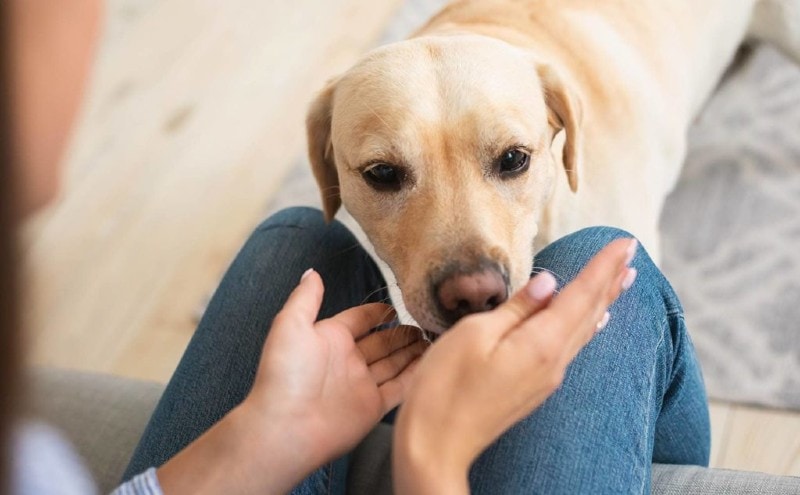
As dog lovers, we‘re constantly amazed by the incredible abilities of our canine companions. From their unwavering loyalty to their goofy antics, dogs never cease to surprise and delight us. But have you ever wondered about the hidden superpowers lurking beneath your pup‘s cute, boopable nose? Can dogs smell human pheromones – the invisible chemical messengers that we unwittingly emit? And what about the most intimate of human activities? Can your furry friend detect when you‘ve been getting frisky?
In this article, we‘ll dive nose-first into the fascinating world of canine olfaction and explore the science behind your dog‘s ability to smell human pheromones. We‘ll answer common questions, offer practical tips, and share some hilarious (and slightly mortifying) stories from fellow dog owners. So, let‘s get started!
Table of Contents
- The Canine Nose: A Marvel of Nature
- Pheromones: The Secret Language of Scent
- Can Dogs Smell Human Pheromones?
- The Elephant in the Room: Dogs and Sex Pheromones
- Experts Weigh In: Insights from Vets and Animal Behaviorists
- Embarrassing Tales from Dog Owners
- Living with a Pheromone-Sniffing Pooch: Practical Tips
- Frequently Asked Questions
- The Bottom Line: Appreciating Your Dog‘s Incredible Nose
The Canine Nose: A Marvel of Nature
Before we can understand how dogs detect human pheromones, we need to appreciate just how powerful their noses really are. While humans have around 6 million olfactory receptors, dogs have a staggering 300 million! This means that their sense of smell is 10,000 to 100,000 times more acute than ours.
| Species | Number of Olfactory Receptors |
|---|---|
| Human | 6 million |
| Dog | 300 million |
| Cat | 80 million |
| Rabbit | 100 million |
| Elephant | 2,000 million |
Data Source: NOVA – Dogs‘ Dazzling Sense of Smell
But it‘s not just about the number of receptors. The canine nose is anatomically designed for maximum sniffing efficiency. When a dog inhales, the air is split into two separate flows: one for breathing and one for smelling. This allows them to continuously sample their environment without interrupting their respiratory cycle. Additionally, dogs possess a specialized organ called the vomeronasal organ (or Jacobson‘s organ), which is specifically tuned to detect pheromones.
Pheromones: The Secret Language of Scent
Pheromones are chemical compounds that animals produce to communicate with members of the same species. These odorless molecules convey important information about an individual‘s emotional state, reproductive status, and even health. In humans, pheromones are primarily produced by the apocrine glands, which are concentrated in areas like the armpits and genitals.
While the role of pheromones in human behavior is still being researched, studies suggest that they may influence sexual attraction, fertility, and mother-infant bonding. For example, one study found that women who smelled the shirts of men with genetically compatible immune systems rated those scents as more attractive, suggesting that pheromones play a role in mate selection.
Can Dogs Smell Human Pheromones?
The short answer is yes, dogs can smell human pheromones. But how do we know this? Several studies have investigated dogs‘ ability to detect the subtle changes in human body chemistry associated with different emotional and physiological states.
In one study, researchers collected sweat samples from participants before and after they watched a horror movie. When presented with the samples, dogs consistently showed more interest in the "fear sweat" compared to the neutral samples. This suggests that dogs can detect the pheromonal changes associated with human stress and anxiety.
Another study explored whether dogs could distinguish between the odor of humans in different emotional states. Participants were asked to watch videos designed to evoke feelings of happiness, fear, or neutrality while their sweat was collected on gauze pads. When presented with the samples, dogs displayed different behaviors depending on the emotional state of the human. They showed more stressed behaviors when exposed to the "fear sweat," and more relaxed behaviors when exposed to the "happy sweat."
But what about the most intimate of human activities? Can dogs smell sex pheromones?
The Elephant in the Room: Dogs and Sex Pheromones
It‘s the question every dog owner has pondered but may be too embarrassed to ask: can my dog smell when I‘ve had sex? The answer is likely yes, although there‘s limited scientific research on this specific topic.
Anecdotally, many dog owners report that their furry friends act differently after they‘ve engaged in intimate activities. Some dogs become more clingy or protective, while others may sniff their owners more intensely or even display signs of agitation or stress.
While there aren‘t any published studies that directly address dogs‘ ability to detect human sex pheromones, there is evidence to suggest that they can pick up on the hormonal changes associated with sexual arousal and activity. A dog‘s nose is so sensitive that it can detect the rise and fall of different hormones in the human body, including cortisol, adrenaline, and testosterone.
In one study, researchers found that male dogs were more attracted to the odor of vaginal secretions from women during their fertile period compared to other phases of the menstrual cycle. This suggests that dogs may be able to detect the pheromonal shifts associated with ovulation and fertility.
Experts Weigh In: Insights from Vets and Animal Behaviorists
To get a better understanding of how dogs perceive human pheromones, we reached out to some experts in the field of veterinary medicine and animal behavior. Here‘s what they had to say:
"Dogs have an incredible sense of smell that allows them to detect the subtle changes in our hormones and pheromones," says Dr. Jennifer Coates, DVM. "They can smell things like fear, stress, and even the chemical changes associated with certain diseases. It‘s not surprising that they would also be able to detect the pheromones associated with sexual arousal and activity."
Dr. Stanley Coren, a professor of psychology and author of several books on canine behavior, agrees. "Dogs are very sensitive to the pheromones that we emit, and they use this information to understand our emotional states and even our health status," he says. "When it comes to sex pheromones, it‘s likely that dogs can detect the changes in our body chemistry that occur during and after sexual activity."
Animal behaviorist and certified dog trainer Patricia McConnell, PhD, notes that while dogs can smell human pheromones, they don‘t necessarily attach the same social meanings that we do. "For dogs, these pheromones are just another piece of information that they use to understand their environment and the humans in it," she explains. "They‘re not making moral judgments or feeling embarrassed or awkward about it like we might."
Embarrassing Tales from Dog Owners
To get a sense of how dogs respond to human pheromones in real life, we asked our readers to share their most embarrassing stories. Here are a few of our favorites:
"One time, my boyfriend and I were having a romantic evening at home, and things started getting heated. Just as we were about to move to the bedroom, my dog burst in and started sniffing us like crazy. He was whining and trying to wedge himself between us. It totally killed the mood, but looking back, it‘s pretty hilarious." – Sarah, 32
"I had just started dating this guy, and he came over to my place for the first time. We were sitting on the couch, and my dog just wouldn‘t leave him alone. She kept sniffing his crotch and trying to climb into his lap. I was mortified, but he just laughed it off and said he was used to it. Apparently, his own dog does the same thing!" – Emily, 28
"My husband and I were on a weekend getaway, and we decided to bring our dog along. We left her in the hotel room while we went out to dinner, and when we came back, she was going nuts. She was running around, barking, and sniffing everything in sight. It wasn‘t until later that we realized she was probably reacting to the scent of other guests who had stayed in the room before us. It was like she was trying to tell us, ‘I know what you humans have been up to!‘" – Lisa, 45
Living with a Pheromone-Sniffing Pooch: Practical Tips
So, what can you do if your dog‘s pheromone-detecting abilities are causing some awkward moments? Here are a few practical tips:
-
Use positive reinforcement training. If your dog is prone to embarrassing sniffing behaviors, teach them an alternative behavior, like sitting or lying down, and reward them for doing so. This can help redirect their attention and make greetings more manageable.
-
Practice good hygiene. While you can‘t completely eliminate your pheromones, practicing good hygiene can help minimize the odors that your dog picks up on. Take regular showers, use deodorant, and wash your bedding and clothing frequently.
-
Provide plenty of mental stimulation. A bored dog is more likely to engage in unwanted behaviors, including excessive sniffing. Make sure your dog gets plenty of exercise, playtime, and mental stimulation through puzzle toys, training, and interactive games.
-
Use calming aids. If your dog seems stressed or anxious when they detect certain pheromones, consider using calming aids like pheromone diffusers, calming chews, or anxiety wraps. These products can help soothe your dog‘s nerves and reduce their reactivity.
-
Be patient and understanding. Remember that your dog‘s pheromone-sniffing behavior is a natural part of their biology, not a deliberate attempt to embarrass you. Try to be patient and understanding, and don‘t punish your dog for following their nose.
Frequently Asked Questions
-
Can dogs smell sexual arousal in same-sex couples?
Yes, dogs can detect the pheromonal changes associated with sexual arousal regardless of a person‘s gender or sexual orientation. -
Do pheromones play a role in dogs‘ mating behavior?
Absolutely! Pheromones are crucial for dogs when it comes to mating and reproduction. Female dogs release pheromones during their heat cycle to attract males, and males use pheromones to mark their territory and ward off competitors. -
Can dogs detect pregnancy through scent?
There is anecdotal evidence to suggest that dogs may be able to detect pregnancy through changes in a woman‘s pheromones and body chemistry. However, more research is needed to confirm this ability. -
How do working dogs (e.g., police K9s) use their sense of smell differently?
Working dogs are trained to use their incredible sense of smell for specific purposes, such as detecting drugs, explosives, or human remains. These dogs undergo extensive training to learn how to identify and alert their handlers to the presence of their target odors.
The Bottom Line: Appreciating Your Dog‘s Incredible Nose
In conclusion, the answer to the question "Can dogs smell human pheromones?" is a resounding yes. Our canine companions have an astonishingly powerful sense of smell that allows them to detect the subtle chemical changes in our bodies associated with emotions, fertility, and sexual activity.
While this incredible ability can sometimes lead to awkward or embarrassing situations, it‘s important to remember that for dogs, sniffing is simply a way of gathering information about the world around them. They‘re not making judgments or trying to make us feel uncomfortable – they‘re just being dogs.
By understanding and appreciating our dogs‘ unique sensory abilities, we can deepen our bond with them and learn to navigate any pheromone-related challenges with patience, humor, and love. After all, our dogs love us unconditionally, no matter what scents we may be giving off!
So, the next time your dog starts sniffing you intently after an intimate encounter, just remember: they‘re not judging you, they‘re just trying to understand you better. And that‘s one of the many reasons why we love them so much.