The Magnificent Great Dane: From Fierce Boar Hunter to Gentle Giant
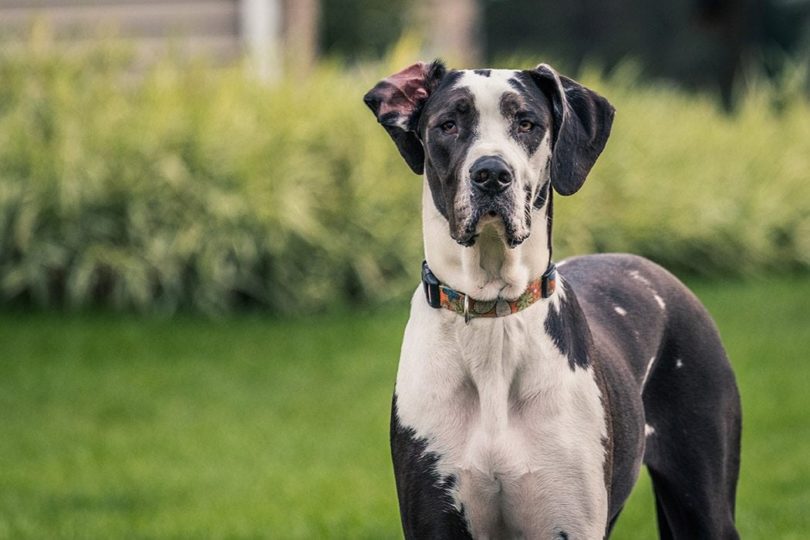

The Great Dane is an instantly recognizable and beloved dog breed, known for their incredible size, regal appearance, and gentle demeanor. Standing up to 35 inches tall and weighing up to 200 pounds, they are truly a sight to behold. But while Great Danes are affectionate couch potatoes today, did you know they were originally bred to be ferocious boar hunting dogs? Let‘s dive into the fascinating history of this gentle giant.
The Boar Hunting Origins of the Great Dane
The ancestors of the modern Great Dane first emerged in Germany in the 16th century. German nobility wanted a large, powerful dog breed to accompany them on wild boar hunts – a popular but dangerous sport at the time. Boar hunting required strong, fearless dogs that could chase down, corner and hold massive wild boars, some weighing up to 600 pounds, until the hunter could arrive and kill them.
To create a dog worthy of this formidable task, German breeders likely crossed English Mastiffs with Irish Wolfhounds. The result was a giant, muscular dog with immense strength, speed and courage, perfectly suited for the boar hunting role. These dogs were called Englische Dogge (meaning English mastiff) at the time.
Historical accounts and artwork from the 16th-17th centuries provide insight into just how massive and fierce these early Great Danes were. One famous depiction shows a boar hunting Great Dane gripping a massive boar by the ear, demonstrating their raw power and bravery.
As boar hunting expert Count Friedrich von Schmettau wrote in 1836:
"In earlier times, when the German and Prussian upper-classes were passionately devoted to the sport of hunting the wild boar, no estate of importance was complete unless it included its pack of powerful mastiffs or Great Danes, as they were later called. The ability of these huge dogs to seize and hold a boar of any size until the hunter could dispatch the beast was a never-ending source of astonishment."
Several physical characteristics made Great Danes perfectly suited for their boar hunting job:
-
Massive size and weight: Male Great Danes stood up to 35 inches tall and weighed up to 200 pounds, female up to 30 inches and 130 pounds. This allowed them to match the strength of massive boars.
-
Powerful, muscular build: Great Danes had strong, sturdy legs and broad shoulders and hindquarters to propel them at high speeds and wrestle with prey.
-
Deep, broad chest: Their famously deep chest provided ample room for large lungs and heart to power their body during the chase. A broad chest also added weight to help knock down boars.
-
Square head and strong jaws: The large, square head, long muzzle and strong bite gave Great Danes a vise-grip to latch onto a boar and not let go.
Combined with an aggressive temperament and fearless nature, it‘s no wonder Great Danes became the boar hunter‘s dog of choice. Tales of their prowess spread far and wide, making them a status symbol across German estates.
From Hunting to Guardian Dogs
As firearms evolved in the 17th century, boar hunting with dogs began to fall out of favor. But German nobility still prized the Great Dane for their impressive size, strength and loyalty. They transitioned into a new role as estate guardian dogs, tasked with protecting the manor grounds and their masters.
Great Danes of this era earned the nickname "Kammerhunde" or chamber dogs, as they were trusted to sleep inside the master‘s bedroom at night as a personal protector. During the day, they patrolled the estate, serving as an imposing deterrent to any intruders.
This shift from hunter to guardian began to alter the temperament and appearance of the breed. While still large and athletic, Great Danes became more refined and even-tempered to succeed in their indoor-outdoor companion role. Sociability and trainability became more important as aggression diminished.
Refining the Breed in the 1800s
In the 1800s, dog breeding and showing became popular among the upper classes. German breeders turned their attention to standardizing and perfecting the Great Dane breed as a gentle companion dog, a process facilitated by the formation of the Deutscher Doggen-Club (German Mastiff Club) in 1888.
Through careful breeding choices, they aimed to preserve the Great Dane‘s noble appearance and impressive size while improving upon their temperament. Breeders selected for a calm, trainable and friendly nature to create the perfect family companion. While still a capable guard dog, the Great Dane‘s aggressive boar hunting instincts were greatly diminished.
At the same time, breeders also worked to refine the Great Dane‘s appearance. They lengthened the legs to achieve a more square build, deepened the chest, and bred for a sleeker, more uniform coat. The result was a breathtaking example of canine majesty – a dog whose looks and temperament perfectly matched their "Apollo of dogs" nickname.
The efforts of these dedicated breeders paid off as the refined Great Dane soared in popularity across Europe in the late 1800s. They became fashionable companions for royalty and upper class families, prized for their remarkable stature, dignity, and gentleness with people.
The "Great Dane" Name Mystery
Interestingly, while undeniably a German breed, no one knows for certain why Great Danes came to be called such. The name doesn‘t appear in records until the late 1700s. Some theorize it originated when a French naturalist visiting Denmark encountered the breed and brought them back to France, calling them "Grand Danois" or Great Danish.
However, a more likely theory is that the name was simply coined to differentiate the German breed from the similar English Mastiff. In Germany and other parts of Europe, Great Danes are still called "Deutsche Dogge" (German Mastiff) to this day. The Great Dane moniker is more popular in English-speaking countries.
Great Danes in America
While Great Danes first arrived in America in the late 1800s, not much is known about their exact import history. The Great Dane Club of America formed in 1889, making them one of the first breeds recognized by the American Kennel Club.
As in Europe, wealthy Americans first kept Great Danes as status symbols. But as more middle class families began to recognize their fantastic qualities, they gradually assumed their modern reputation as great family pets, nanny dogs, and gentle giants.
Today, the Great Dane consistently ranks among the top 20 most popular dog breeds in America according to AKC registration statistics. From 2010 to 2020, an average of 15,000 new Great Dane puppies were registered each year, a testament to their enduring popularity.
Great Danes as Gentle Giants
It‘s truly remarkable to see how far Great Danes have come since their fierce boar hunting days. While still one of the largest dog breeds, regularly reaching 35 inches and 200 pounds, the gentle personality of the modern Great Dane is a far cry from their former aggression.
Known for their patience, affection, and unflappable nature, Great Danes make wonderful family companions. Many owners report that these giants are exceedingly tender and loving with children, enjoying a snuggle just as much as a romp in the yard. Their calm, friendly demeanor also tends to extend to other household pets.
Of course, as with any large breed, proper training and socialization from a young age is crucial for Great Danes to reach their full gentle giant potential. These dogs do best with positive reinforcement training, clear boundaries, and plenty of attention and exercise.
Great Danes are also quite sensitive and crave companionship, so they don‘t do well if left alone for long periods. Separation anxiety can be an issue, which often manifests in destructive behavior. But with enough attention, training and care, Great Danes blossom into some of the most devoted and affectionate companions around.
Health Considerations
As a giant breed, Great Danes are sadly more prone to certain health issues including hip dysplasia, cardiomyopathy, bloat, and bone cancer. Responsible breeders take great care to screen their stock for genetic issues and strive to produce the healthiest puppies possible.
Great Danes also grow extremely quickly, which can put added strain on their developing bones and joints. Experts recommend a slow-growth diet plan for Great Dane puppies to encourage a gradual rate of development and minimize skeletal issues down the line.
The average lifespan for a Great Dane is sadly only 7-10 years, relatively short for a dog. So while these giant breeds pack an oversized amount of love into their lives, potential owners should be prepared for the emotional and financial responsibilities of caring for a large dog with a shorter life expectancy.
Conclusion
From their origins as a powerful working breed to their modern incarnation as a beloved gentle companion, the Great Dane has enjoyed a rich and storied history. While today‘s Great Dane may prefer lounging on the couch to chasing down wild boar, they still retain the loyalty, courage, and impressive stature of their ancestors.
Living with a Great Dane is a truly unique experience, filled with plenty of slobbery kisses, leaning hugs, and moments of awe at their sheer size. But more than anything, these gentle giants have an amazing capacity for love and devotion that captures the hearts of all who know them. It‘s no wonder they‘re called the "Apollo of dogs" – Great Danes truly are a gift from the canine gods.