Can You Give Dogs Imodium for Diarrhea? A Vet‘s Guide
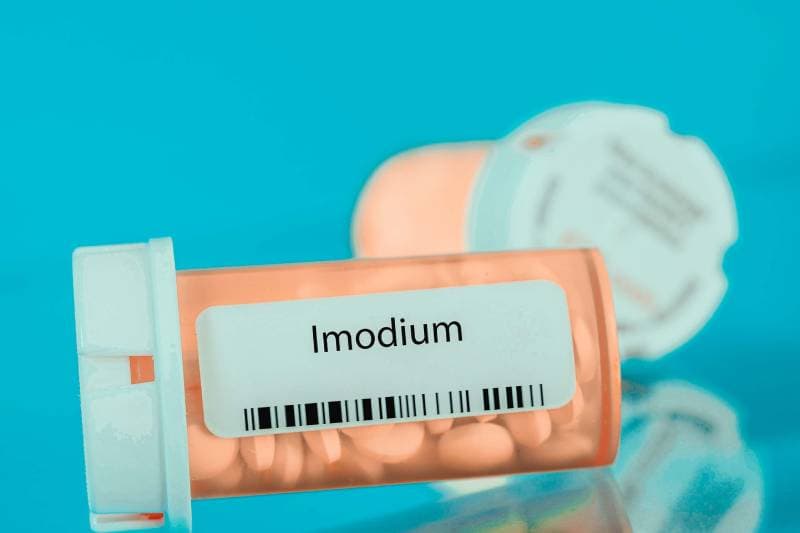
As a dog lover and pet parent, dealing with occasional bouts of doggy diarrhea is an unfortunate but unavoidable fact of life. Watching your furry family member have accident after accident is distressing for both of you. If you‘ve ever had diarrhea yourself, you may have reached for an over-the-counter medication like Imodium (loperamide) for fast relief. So can you give your dog Imodium too?
As tempting as it may be to treat your pup‘s diarrhea with human medicine, you should never give your dog Imodium or any OTC medication without consulting a veterinarian first. While Imodium may be safe and effective for some dogs when dosed properly, it can actually make diarrhea worse or even cause fatal side effects in others.
What is Imodium and how does it work?
Imodium (loperamide) is an oral antidiarrheal medication used to treat non-infectious diarrhea and traveler‘s diarrhea in humans. It works primarily by slowing down the movement of fluids through the intestines.
Normally during digestion, muscles in the intestinal wall rhythmically contract and relax to push food and waste through the GI tract. Diarrhea occurs when these contractions become overactive, pushing waste through too quickly for the intestines to absorb water and nutrients. The result is frequent, watery stools.
Imodium acts on opioid receptors in the intestinal wall to inhibit the release of acetylcholine and prostaglandins, decreasing the involuntary muscle contractions that move waste through the digestive tract. This slows down transit time, allowing more water to be drawn out of the stool to relieve diarrhea. Imodium also decreases fluid and electrolyte loss in the intestines.
Is Imodium safe for dogs?
Imodium is not FDA-approved for veterinary use in dogs and should never be administered without the oversight of a veterinarian. While Imodium is one of the safer human over-the-counter medications for dogs, the dosage range is very narrow. Accidentally giving a little too much can quickly lead to an overdose.
Imodium also has the potential to do more harm than good in some cases of canine diarrhea. If the diarrhea is being caused by a bacterial infection, parasite, ingested toxin, or gastrointestinal blockage, slowing down transit time through the intestines with Imodium could allow the infectious agent or toxin more time to wreak havoc on the body. In these cases, it‘s actually better to let diarrhea run its course to quickly expel the offending substance from the GI tract.
"Imodium is never a first line of defense or appropriate for all causes of diarrhea in dogs," cautions Dr. Jerry Klein, Chief Veterinary Officer for the American Kennel Club. He stresses that Imodium should only be given under the guidance of a vet after ruling out more serious conditions.
Dangers of Imodium for dogs
Potential adverse effects of Imodium in dogs range from mild to life-threatening, including:
- Constipation
- Bloating and abdominal discomfort
- Sedation, drowsiness, depression
- Loss of appetite
- Vomiting
- Pancreatitis
- Paralytic ileus (intestinal paralysis)
- Megacolon
- Central nervous system depression
- Respiratory depression
- Allergic reaction
- Seizures
- Coma
- Death
Collies, Australian shepherds, shelties, long-haired whippets, and other herding breeds with the multidrug sensitivity gene (MDR1 mutation) are especially sensitive to Imodium. This mutation allows Imodium to build up in the brain, causing severe neurological symptoms with even a small dose. Other factors that increase the risk of Imodium toxicity include liver or kidney disease, hypothyroidism, Addison‘s disease, and pregnancy.
When is Imodium prescribed for dogs?
Veterinarians may occasionally prescribe Imodium off-label to treat diarrhea in dogs, but only after taking a full history, performing a physical exam, and ruling out other causes such as infection, parasites, pancreatitis, intestinal obstruction, or intoxication.
Imodium may be appropriate for healthy adult dogs with simple, uncomplicated diarrhea caused by something like stress, sudden dietary changes, or dietary indiscretion (eating something mildly upsetting or irritating to the GI tract). The dog should be otherwise acting normal with a good appetite and no other symptoms besides loose stool.
Imodium should not be used for diarrhea lasting more than 48 hours or diarrhea accompanied by other symptoms like vomiting, dehydration, lethargy, fever, or loss of appetite. It should also be avoided in dogs that are very young, very old, pregnant, or immunocompromised.
Imodium dosage for dogs
The clinical dose of Imodium for dogs is 0.1 mg/kg given orally every 8-12 hours. However, your vet may adjust this dosage based on your dog‘s size, overall health, and severity of diarrhea. Always follow your vet‘s dosing instructions exactly. Never guess at the dosage or give more than prescribed.
Here is a chart showing the approximate Imodium dose for dogs by weight:
| Dog Weight | Imodium Dose (0.1 mg/kg) |
|---|---|
| 5 lbs | 0.2 mL liquid or 1/4 tablet |
| 10 lbs | 0.5 mL liquid or 1/2 tablet |
| 20 lbs | 0.9 mL liquid or 1 tablet |
| 40 lbs | 1.8 mL liquid or 1 1/2 tablets |
| 60 lbs | 2.7 mL liquid or 2 1/2 tablets |
| 80 lbs | 3.6 mL liquid or 3 1/2 tablets |
| 100 lbs | 4.5 mL liquid or 4 1/2 tablets |
*Dosage is based on 1 mg/5 mL liquid suspension or 2 mg tablet formulation
Be sure to use an oral dosing syringe to measure liquid Imodium accurately. Discard any unused suspension after 90 days. Notify your vet if symptoms persist after a couple days of treatment or you notice any side effects. Abruptly stopping Imodium after long-term use (more than a week) can cause withdrawal diarrhea.
Alternatives to Imodium for doggy diarrhea
According to the Merck Veterinary Manual, serious causes must first be ruled out, but the majority (>90%) of acute diarrhea cases in dogs are mild and self-limiting, often resolving with minimal intervention. Dr. Klein recommends trying simple home remedies before turning to medications like Imodium:
- Withhold food for 12-24 hours to rest the GI tract
- Provide plenty of fresh water to prevent dehydration
- Offer ice chips or low-sodium broth if your dog won‘t drink water
- Gradually reintroduce bland, easily digestible foods like boiled chicken breast, cooked white rice, canned pumpkin, cottage cheese, or scrambled egg whites
- Give a probiotic supplement to restore beneficial gut bacteria
- Try a prebiotic fiber supplement to regulate stool consistency
- Add a spoonful of unflavored pediatric electrolyte solution to drinking water
"One of my go-to home remedies for doggy diarrhea is plain canned pumpkin," says Laura Seabolt, a lifelong dog owner and foster based in Atlanta. "I start with about a tablespoon per 20 lbs of body weight mixed into bland food. It almost always firms up my dogs‘ loose stool within a day."
These supportive therapies can also be used alongside conventional treatments for more severe cases. Your vet may prescribe a special gastrointestinal diet, anti-nausea medication, dewormers, and/or antibiotics depending on the cause.
When to see a vet for dog diarrhea
You should always contact a veterinarian if diarrhea lasts more than 48 hours, is severe and watery, contains blood, or if your dog is acting lethargic, not eating, vomiting, or showing other signs of illness. Diarrhea can quickly lead to dehydration, especially in small dogs and puppies. Chronic diarrhea can be a sign of serious conditions like inflammatory bowel disease, liver or kidney disease, or intestinal cancer.
| When to Treat Dog Diarrhea at Home | When to See a Vet for Dog Diarrhea |
|---|---|
| Mild, infrequent diarrhea | Diarrhea lasting >48 hours |
| No other symptoms present | Diarrhea accompanied by vomiting, lethargy, blood in stool, etc. |
| Adult dog, normal behavior | Puppy, senior, or immunocompromised dog |
| Resolves within 24-48 hours | Frequently recurring diarrhea |
If your pup seems to be feeling fine with the runs, it‘s reasonable to try a bland diet and supportive home care for 24-48 hours. However, always err on the side of caution and consult a vet sooner rather than later, as diarrhea can sometimes be the first sign of a more serious problem brewing.
Key Takeaways
- Never give your dog Imodium without consulting a veterinarian first. Imodium is a human OTC medication that can be dangerous for dogs, even in small doses.
- Imodium may occasionally be prescribed by vets for simple, uncomplicated diarrhea in otherwise healthy adult dogs. It should not be used for diarrhea lasting more than 48 hours or accompanied by other symptoms.
- Many cases of mild diarrhea in dogs will resolve within a day or two with basic home care such as fasting, a bland diet, and probiotics. See a vet if diarrhea persists or is severe.
As a loving dog parent, it‘s natural to want to do everything you can to help your pup feel better fast when diarrhea strikes. But reaching for human medications like Imodium without veterinary guidance could end up making things worse. When in doubt, always consult your vet to ensure you are providing the safest and most effective care for your canine companion.