Can You Lather Up with Dog Shampoo? A Vet‘s Perspective on Shampooch Sharing
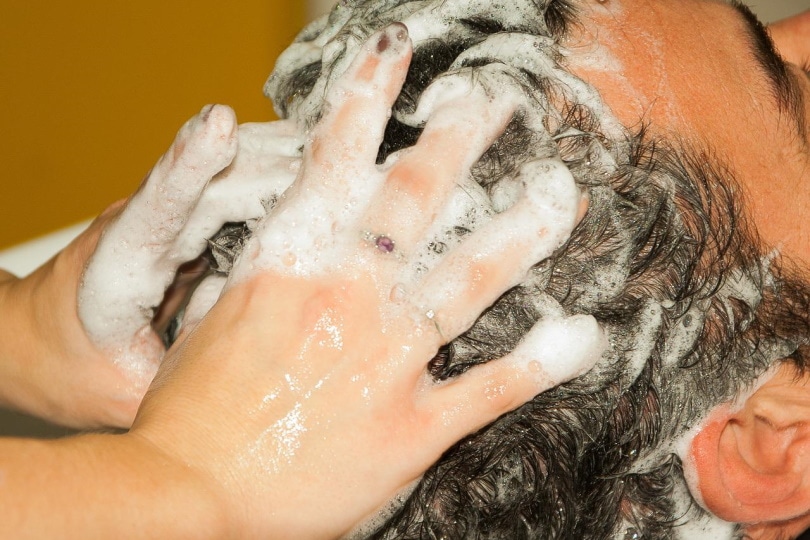
As a dog lover and veterinarian, I‘m always looking for ways to strengthen the bond between pups and their people. But one area where I don‘t recommend cross-species sharing is when it comes to shampoo. While it might be tempting to reach for Fido‘s shampoo when you‘re in a sudsy situation, using dog shampoo on the regular can lead to some hairy problems for your ‘do and dermis.
According to the American Pet Products Association, 63 million U.S. households have dogs, meaning there‘s a lot of dog shampoo out there that could potentially be misused on human heads. Before you stock your shower with Buddy‘s best shampoo, let‘s dive into the key differences between canine and human cleaners and why it‘s best to keep your pup‘s products on his coat only.
pH Problems: Dog Shampoo Can Disrupt Your Skin‘s Delicate Balance
One of the main reasons you shouldn‘t swap human shampoo for dog suds is the difference in pH levels. PH is a scale that measures how acidic or alkaline a substance is, with 7 being neutral, lower numbers being more acidic, and higher numbers more alkaline. Human skin is naturally on the acidic side, with a pH around 5.5. This slightly acidic surface helps protect against bacteria, viruses, and other environmental attackers.
In contrast, dogs‘ skin and fur have a more neutral to alkaline pH, typically falling between 6.5 to 7.5. This means their shampoos are formulated with a higher pH to match, which can spell trouble if used too often on human hair and skin.
Here‘s a "tail" of the tape showing the average pH of some popular dog and human shampoos:
| Dog Shampoos | pH Level |
|---|---|
| Earthbath Oatmeal & Aloe | 7.0 |
| Burt‘s Bees for Dogs | 7.0 |
| Buddy Wash | 6.5 |
| Hartz Groomer‘s Best | 6.5 |
| Human Shampoos | pH Level |
|---|---|
| Neutrogena Healthy Scalp | 5.5 |
| Pantene Pro-V | 5.5 |
| Head & Shoulders Classic | 5.0 |
| L‘Oreal Paris EverPure | 5.0 |
Sources: Various brand websites and product labels
As you can see, dog shampoos tend to have a pH that‘s 1-2 points higher than human shampoos. This might not seem like a big difference, but remember the pH scale is logarithmic, meaning each whole number difference is actually a 10-fold change.
Using a higher pH shampoo can disrupt the acid mantle, the protective layer on skin‘s surface that acts as a barrier against contaminants. It can also throw off the skin‘s microbiome, the balance of microorganisms that keep skin healthy. Disturbing this delicate balance can lead to dryness, irritation, flaking, and even infections.
Dr. Emily Newsom, a board-certified dermatologist at the Ronald Reagan UCLA Medical Center, explains: "Maintaining skin‘s normal pH is important for its barrier function. When the skin‘s pH becomes too basic, it can lead to a disruption of the skin‘s microbiome and increase the risk for certain skin conditions like dermatitis."
So while dog shampoo won‘t hurt you as a one-time thing, regularly raising your skin‘s pH can strip away the acidic shield that keeps your complexion calm, collected, and balanced.
Fur-ociously Strong Cleansers Can Be Rough on Human Hair
Another reason to avoid routinely using dog shampoo is that it‘s simply too harsh for human hair. Dogs have much thicker, tougher hair shafts than we do, with a texture more akin to fur than the fine strands on our heads. As such, dog shampoos contain stronger detergents to cut through canine crud and wash away all the mud your pup windsup rolling in.
These powerful cleansing agents are great for tackling stubborn stains and odors on Rover, but can be overly stripping on delicate human hair, leaving it parched and prone to breakage over time.
What‘s more, human hair is much more porous than dog fur, meaning it more readily absorbs and holds onto substances it comes in contact with, including harsh shampoo ingredients. This can lead to further dryness and damage, not to mention color-fading and frizziness in dyed or chemically-treated hair.
Plus, many dog shampoos contain additional ingredients not found in human shampoos, some of which can cause irritation and allergic reactions in people, especially with repeated exposure. Common irritants include:
- Pyrethrins & permethrins (insecticides)
- Coal tar
- Salicylic acid
- Artificial fragrances & dyes
While these ingredients are safe and effective for dogs when used as directed, human skin can be more sensitive to them. There are gentler alternatives available in specialty human shampoos for those with skin issues that are a better bet than reaching for Rover‘s wash.
Not a Permanent Solution for Pest Problems
Now, what if you‘re dealing with some unwanted hitchhikers of your own, be it lice or fleas? (Hey, these things happen, no judgment here!) If you‘re battling bugs, you might be tempted to co-opt your dog‘s medicated shampoo as a quick fix. But while these products do share some of the same active ingredients as human lice shampoos, they‘re not designed to treat human hair and can actually do more harm than good.
For one, dog flea shampoos contain much higher concentrations of insecticides than products made for people, since they‘re meant to treat larger areas and penetrate thicker fur. The most common active ingredients are pyrethrins, naturally-derived compounds from chrysanthemum flowers that disrupt insects‘ nervous systems. But – too much exposure to pyrethrins can cause side effects like skin irritation, rashes, and even neurotoxicity in humans. Play it safe and skip the dog stuff.
There are also crucial differences between dog fleas (Ctenocephalides canis) and human head lice (Pediculus humanus capitis) in terms of their biology and life cycles that make dog products less effective against the human variety. For instance, lice eggs (nits) are glued tightly to human hair shafts, while flea eggs typically fall off into the environment. Lice also feed on human blood several times a day, while adult fleas mainly sip on Spot.
To effectively treat human head lice, you need a product specifically designed for the job, with the right active ingredients and application instructions for our unique head habitat. Medicated human lice shampoos like Nix and Rid remain the gold standard, with newer prescription options available from your doc if OTC picks don‘t cut it.
As for flea control, your best bet is preventing your pets from getting fleas in the first place and treating your home environment if they do. Talk to your vet about the best flea preventatives for your furry friend based on their lifestyle and health needs. There are many safe and effective options these days, from collars to topical treatments to chews.
The Bottom Line: Stick to Species-Specific Sudsing
At the end of the day, dog shampoo is designed for dogs, and human shampoo is designed for humans. While the occasional accidental mix-up won‘t derail your ‘do, using dog products on the regular can lead to "ruff" hair days and a mangy mane.
Not to mention, it‘s a waste of your pup‘s pricy shampoo! As veterinary dermatologist Dr. Ashley Bourgeois points out, "Specialty dog shampoos can be quite expensive, and using them on yourself means less for your dog."
Keep your strands and skin happy by sticking to shampoos made for your own species. Trust me, your hair will thank you, and your dog will appreciate you not bogarting her fancy shampoo. There‘s no need to get your fur in a frizz over this one – just use human shampoo for your human head, and save the dog days for the actual dogs.