Can You Use Human Conditioner on Dogs? A Dog Lover‘s Guide to Coat Care

As a dog lover and proud pup parent, I know firsthand the joys of snuggling up to a soft, fluffy furry friend. Our dogs are more than just pets – they‘re cherished members of the family. Keeping their coat healthy and huggable is an act of love.
But with so many products out there, it can be hard to know what‘s really best for your dog‘s unique skin and hair. It‘s only natural to wonder, "Can I use my own trusty conditioner on my dog?" Before you start lathering up your pooch with human products, let‘s take a closer look at the science of canine coat care.
The Unique Properties of Dog Hair and Skin
While human hair and dog hair may look similar, there are some important differences beneath the surface. For starters, dog hair grows in a unique mosaic pattern, with each hair follicle growing in a different direction. This is why dogs tend to shed in tufts rather than individual strands like humans do.
The texture and thickness of dog hair also varies widely by breed. According to the American Kennel Club, there are six main types of dog coats:
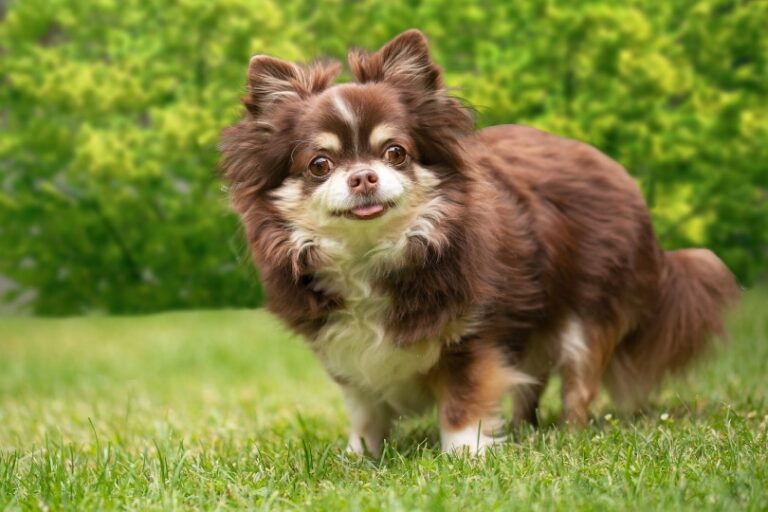
- Smooth coats (ex. Chihuahua, Boxer)
- Double coats (ex. Labrador Retriever, Golden Retriever)
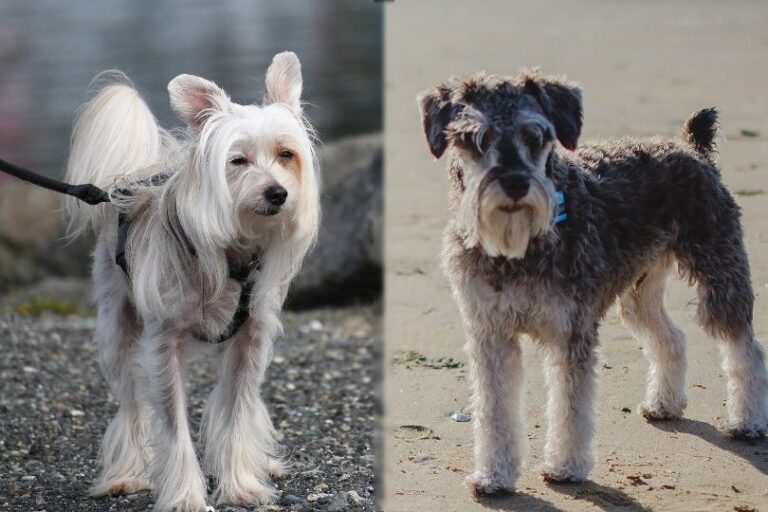
- Wire coats (ex. Schnauzer, Scottish Terrier)
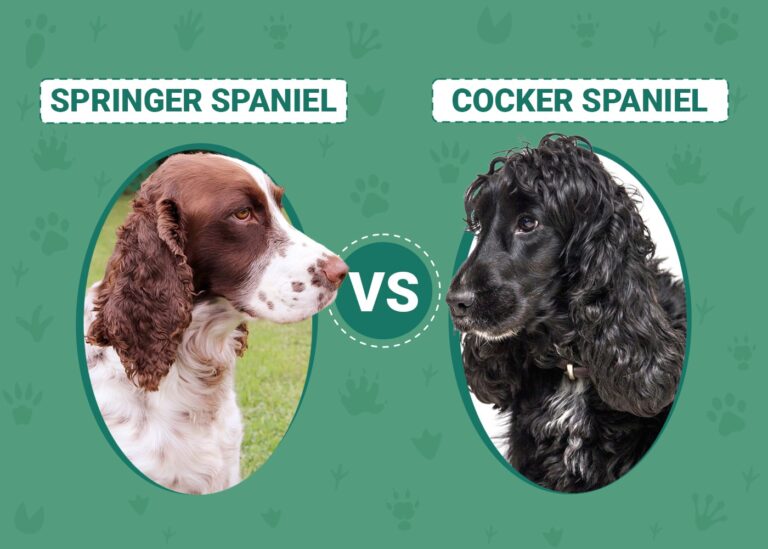
- Curly coats (ex. Poodle, Bichon Frise)
- Long coats (ex. Maltese, Afghan Hound)
- Hairless (ex. Chinese Crested, Xoloitzcuintli)
Each coat type has different grooming needs to stay clean, shiny and mat-free. But across the fur spectrum, all dog hair has a thinner shaft than human hair.
The skin that dog fur grows from is quite different from human skin too. The top layer of skin, called the stratum corneum, is much thinner on dogs – around 3 to 5 cell layers thick compared to 10 to 15 layers for humans. This means a dog‘s skin is more delicate and sensitive to potential irritants.
Dog skin also has a higher pH than human skin. A 2018 study in the Journal of Applied Microbiology found that the average pH of canine skin is 7.0. Human skin has a lower, slightly acidic pH between 5.2 to 6.2. This pH difference matters when it comes to choosing grooming products.
What Really Happens When You Use Human Conditioner on Your Dog
So why is it a bad idea to use human hair products on your pup? It all comes down to pH levels and preserving the skin‘s natural protective barrier, called the acid mantle.
The acid mantle is a very fine, slightly acidic film on the surface of the skin. It‘s made up of sebum (free fatty acids) and metabolic byproducts like lactic acid and amino acids. This shield protects the skin from contaminants and moisture loss, and discourages the growth of parasites and bacteria.
Human skin care products like conditioner are formulated to match the pH of the acid mantle. But when you apply a human conditioner to a dog‘s more alkaline skin, it can disrupt the acid mantle and degrade the skin‘s natural defenses.
Over time, stripping away the acid mantle can lead to a host of skin issues for your dog, such as:
- Excessive dryness and flaking
- Redness and irritation
- Itching and scratching
- Greasy, stinky odor
- Skin infections from bacteria or yeast
- Hot spots or open sores
In fact, skin conditions are one of the most common reasons dogs end up at the vet. The 2018 State of Pet Health Report by Banfield Pet Hospital found that skin allergies were the number one reason for canine vet visits, accounting for 7.2% of all dog health problems recorded.
But pH balance isn‘t the only problem with human conditioners. They also tend to have harsher cleansing agents and artificial fragrances compared to dog conditioners. Common ingredients to avoid include:
- Sulfates like sodium laureth sulfate that can strip moisture
- Isopropyl alcohol which can dry out the skin and cause irritation
- Salicylic acid or coal tar used to treat human dandruff
- Artificial colors and dyes
- Synthetic fragrances and perfumes
- Essential oils like tea tree, pennyroyal, and ylang ylang that are toxic to dogs
- Formaldehyde which can cause skin reactions
- Methylchloroisothiazolinone, a preservative linked to allergic reactions
If your dog is scratching excessively or has skin inflammation after using a new product, it may be a sign of an allergic reaction to one or more ingredients. Stop using the product immediately and contact your vet if the irritation persists.
The Best Way to Condition Your Dog‘s Coat
The good news is, there are plenty of safe and effective conditioners made especially for dogs. These products are pH balanced for canine skin and have nourishing, moisturizing ingredients that are gentle on sensitive skin.
Some key ingredients to look for in a quality dog conditioner include:
| Dog Conditioner Ingredients | Benefits |
|---|---|
| Colloidal oatmeal | Relieves dry, itchy, irritated skin |
| Aloe vera | Hydrates and soothes skin |
| Shea butter | Softens coat and prevents tangles |
| Coconut oil | Moisturizes skin and adds shine to coat |
| Panthenol (vitamin B5) | Strengthens hair and prevents breakage |
| Omega 3 & 6 fatty acids | Support overall skin and coat health |
| Calendula extract | Calms inflammation and speeds healing |
| Chamomile | Soothes itching and has anti-fungal properties |
| Vitamin E | Promotes circulation and a healthy skin barrier |
| Honey | A natural humectant that attracts and seals in moisture |
These natural ingredients nourish the skin and hair while preserving the acid mantle. They‘re also less likely to trigger allergies or sensitivities compared to harsh chemicals. Whenever possible, opt for a conditioner that‘s free of sulfates, parabens, artificial dyes, and synthetic fragrances.
How often you need to condition your dog depends on their coat type and lifestyle. Dogs with long, dense, curly or double coats generally need more frequent baths and conditioning to prevent matting and keep the skin and hair hydrated. Aim to suds them up every 3-4 weeks.
On the other hand, dogs with short, smooth coats may only need occasional baths and conditioning every 8-12 weeks – or more often as needed if they get into something stinky. Over-bathing can disrupt the skin‘s natural moisture balance, so don‘t wash more than necessary.
When you‘re ready for bath time, be sure to brush out your dog‘s coat thoroughly first to loosen any tangles. Use lukewarm water and apply the conditioner from the neck down, massaging it into the coat and skin. Let it sit for several minutes, then rinse completely until the water runs clear. Avoid the eye area and ears.
After towel drying, you can use a blow dryer on the cool setting if your pup will tolerate it. Once the coat is about 90% dry, brush it out to remove any remaining knots and restore fluffiness.
A Healthy Coat Starts from Within
In addition to regular grooming, the key to your dog‘s coat health is a balanced diet and plenty of hydration. High-quality dog foods with lean proteins, omega fatty acids, and vitamin-rich fruits and veggies will provide the building blocks for soft, shiny fur and supple skin.
If your dog has dry, flaky, or dull-looking skin, talk to your vet. They may recommend adding certain supplements to your dog‘s diet like fish oil or coconut oil. A 2011 study in the journal Veterinary Immunology and Immunopathology found that supplementing with omega-3 fatty acids significantly improved skin hydration and reduced inflammation in dogs with allergic skin disease.
Another factor that affects your dog‘s skin is environmental humidity. Just like humans, dogs can get dry skin in cold weather with the heater running or in arid climates. Using a humidifier in your home can help keep your dog‘s skin moist and healthy.
The Emotional Benefits of Grooming
Beyond the physical perks, there‘s an important emotional aspect to grooming your dog. Regular brushing and coat care can be a wonderful bonding experience that strengthens your connection with your canine companion.
I experienced this firsthand with my rescue dog, Luna. When I first brought her home, her wiry terrier coat was dull, greasy and full of mats. She also had scaly, inflamed patches on her skin – a sure sign of a compromised skin barrier.
I started brushing Luna every day with a slicker brush and using a gentle, oatmeal-based conditioner on her skin whenever I bathed her. At first she was nervous about being handled, but lots of praise, treats and patience helped her learn to love her pampering sessions.
After a few months, Luna‘s coat was soft, fluffy and mat-free. Her skin irritation cleared up too. Best of all, our daily grooming ritual brought us closer together. It became a special, quiet time to show Luna that she was safe and loved.
Grooming your dog mindfully with nourishing products is truly an act of love. When you take the time to meet your dog‘s unique skin and coat needs, you‘re communicating your affection and strengthening your bond.
The Bottom Line
Our dogs depend on us to keep them feeling and looking their best. While sharing your own personal care products with your pup may be tempting, it‘s not a good idea. Human conditioners in particular are formulated for the distinct needs of human hair and skin, and using them on your dog can disrupt the pH balance and protective barriers of their skin.
To keep your canine companion healthy, comfortable and huggable, choose a dog-specific conditioner that is pH balanced and has natural, nourishing ingredients to hydrate the skin and coat. Be mindful of over-bathing and brush regularly between washes to distribute your dog‘s natural skin oils.
With a consistent grooming routine using products made for your pup, you can strengthen your bond and help them live their best life by your side.