Do Pitbulls Have Allergies? A Comprehensive Guide for Pitbull Owners
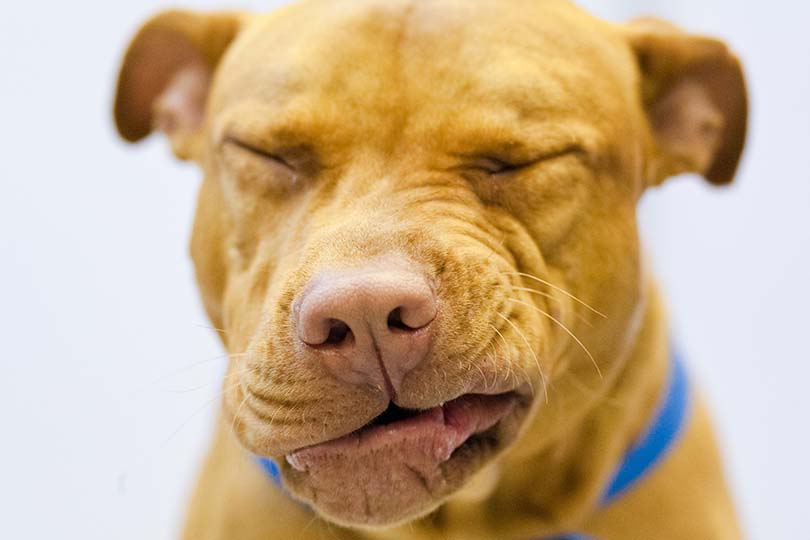
As a pitbull owner and dog lover, I know firsthand how much joy and love these loyal companions can bring to our lives. However, I also know that pitbulls, like all breeds, can be prone to certain health issues, including allergies. In this comprehensive guide, we‘ll take an in-depth look at allergies in pitbulls, including the types of allergies they can experience, the signs and symptoms to watch out for, and the latest research on diagnosis and treatment options. We‘ll also discuss whether pitbulls are hypoallergenic and provide tips for managing and preventing allergies in your furry friend.
Understanding Allergies in Dogs
Allergies occur when a dog‘s immune system overreacts to a substance that is normally harmless, such as pollen, dust, or certain foods. When the immune system encounters the allergen, it produces antibodies that trigger a range of symptoms, such as itching, swelling, and inflammation.
In dogs, allergies can manifest in a variety of ways, including:
- Skin irritation and itching
- Hair loss and bald patches
- Ear infections
- Respiratory issues, such as sneezing and coughing
- Gastrointestinal problems, such as vomiting and diarrhea
According to a study published in the Journal of Veterinary Internal Medicine, skin allergies are the most common type of allergy in dogs, affecting up to 10% of the canine population. The study also found that certain breeds, including pitbulls, are more prone to developing allergies than others.
Types of Allergies That Commonly Affect Pitbulls
Pitbulls can be prone to several types of allergies, including:
-
Food allergies: Pitbulls can develop allergies to certain ingredients in their food, such as beef, chicken, or dairy products. Food allergies can cause skin irritation, gastrointestinal issues, and even behavioral changes. A study published in the journal Veterinary Dermatology found that beef, chicken, and dairy were the most common food allergens in dogs.
-
Environmental allergies: Pitbulls can also be sensitive to allergens in their environment, such as pollen, mold, and dust mites. These allergies often cause skin irritation and respiratory issues. According to a study published in the journal BMC Veterinary Research, dust mites are a common allergen in dogs, affecting up to 30% of dogs with atopic dermatitis.
-
Flea allergies: Some pitbulls are highly sensitive to flea bites and can develop severe skin irritation and hair loss as a result. A study published in the journal Parasites & Vectors found that flea allergy dermatitis is the most common skin disease in dogs, affecting up to 50% of dogs in some areas.
Genetic Factors That May Make Pitbulls More Prone to Allergies
Pitbulls, like all breeds, have a unique genetic history that may make them more prone to certain health issues, including allergies. According to a study published in the journal PLOS Genetics, certain genetic markers have been identified in dogs that are associated with an increased risk of atopic dermatitis, a common type of skin allergy.
Pitbulls, in particular, have a genetic background that includes several breeds known for their strength and athleticism, such as bulldogs and terriers. These breeds have been developed over time through selective breeding, which can sometimes lead to the unintentional amplification of certain genetic traits, including a predisposition to allergies.
In addition, pitbulls have short, smooth coats that may make them more susceptible to environmental allergens and skin irritants. Their coats provide less protection against allergens than longer, thicker coats, which can make them more prone to developing skin allergies.
The Emotional and Behavioral Impact of Allergies on Pitbulls
Allergies can be more than just a physical discomfort for pitbulls – they can also have a significant impact on their emotional and behavioral well-being. Chronic itching, pain, and discomfort can lead to anxiety, aggression, and even depression in dogs.
According to a study published in the journal Animals, dogs with atopic dermatitis showed increased signs of anxiety and aggression compared to healthy dogs. The study also found that these behavioral changes were more pronounced in dogs with more severe allergies.
As a pitbull owner, it‘s important to be aware of how allergies can affect your dog‘s mood and behavior. If you notice changes in your pitbull‘s temperament or activity level, it may be a sign that they are experiencing discomfort from allergies.
Diagnosing Allergies in Pitbulls
To diagnose allergies in pitbulls, veterinarians typically use a combination of skin tests, blood tests, and elimination diets. Here‘s a closer look at each of these diagnostic tools:
-
Skin tests: During a skin test, small amounts of common allergens are injected into the skin to see if they trigger a reaction. This can help identify specific allergens that may be causing your pitbull‘s symptoms. According to a study published in the journal Veterinary Dermatology, skin tests are a reliable method for diagnosing environmental allergies in dogs.
-
Blood tests: Blood tests can measure the levels of antibodies in your pitbull‘s blood that are specific to certain allergens. This can help identify potential triggers for your dog‘s allergies. A study published in the journal BMC Veterinary Research found that blood tests are a useful tool for diagnosing food allergies in dogs.
-
Elimination diets: If your veterinarian suspects that your pitbull has a food allergy, they may recommend an elimination diet. This involves feeding your dog a limited ingredient diet for several weeks to see if their symptoms improve. If symptoms resolve, individual ingredients can be slowly reintroduced to identify the specific allergen. A study published in the journal Veterinary Dermatology found that elimination diets are an effective way to diagnose food allergies in dogs.
It‘s important to work with a veterinarian who has experience diagnosing and treating allergies in pitbulls. Your veterinarian can help you determine the best course of action based on your pitbull‘s specific symptoms and medical history.
Treatment Options for Pitbulls with Allergies
Once your veterinarian has identified the specific allergens triggering your pitbull‘s symptoms, they can develop a customized treatment plan to manage your dog‘s allergies. Treatment options may include:
-
Medications: Antihistamines, steroids, and other medications can help reduce inflammation and alleviate symptoms such as itching and swelling. Your veterinarian can help you determine the best medication and dosage for your pitbull based on their specific needs. It‘s important to follow your veterinarian‘s instructions carefully and report any side effects.
-
Special diets: If your pitbull has a food allergy, your veterinarian may recommend a hypoallergenic or limited ingredient diet to avoid triggering symptoms. These diets typically contain novel protein sources, such as venison or duck, that are less likely to cause an allergic reaction. Your veterinarian can help you choose a diet that meets your pitbull‘s nutritional needs and is appropriate for their life stage.
-
Immunotherapy: For pitbulls with severe or chronic allergies, immunotherapy may be recommended. This involves giving your dog small doses of the allergen over time to help desensitize their immune system. According to a study published in the journal Veterinary Dermatology, immunotherapy is effective in reducing symptoms in up to 70% of dogs with environmental allergies.
-
Alternative therapies: Some pitbull owners may also choose to explore alternative therapies for managing their dog‘s allergies, such as acupuncture or herbal remedies. While there is limited scientific evidence on the effectiveness of these therapies, some owners report positive results. It‘s important to discuss any alternative therapies with your veterinarian before trying them to ensure they are safe and appropriate for your pitbull.
Creating an Allergy-Friendly Home Environment for Your Pitbull
In addition to medical treatment, there are several steps you can take to create an allergy-friendly home environment for your pitbull. Here are a few tips:
-
Use air purifiers: Air purifiers can help remove allergens such as dust and pollen from the air, making it easier for your pitbull to breathe. Look for purifiers with HEPA filters, which are effective at capturing small particles.
-
Choose hypoallergenic cleaning products: Many household cleaners contain harsh chemicals that can irritate your pitbull‘s skin and respiratory system. Look for hypoallergenic, fragrance-free cleaning products that are gentle on your dog‘s sensitive skin.
-
Avoid certain types of plants and fabrics: Some plants, such as ficus and ivy, can trigger allergies in dogs. Similarly, certain fabrics, such as wool and synthetic fibers, can be irritating to your pitbull‘s skin. Choose hypoallergenic bedding and toys made from natural materials like cotton or bamboo.
-
Vacuum regularly: Regular vacuuming can help remove allergens like dust and pet dander from your home. Look for vacuums with HEPA filters, which are effective at trapping small particles.
-
Wash bedding frequently: Your pitbull‘s bedding can harbor allergens like dust mites and pet dander. Wash bedding in hot water at least once a week to keep it clean and allergen-free.
Are Pitbulls Hypoallergenic?
Many people wonder if pitbulls are hypoallergenic, meaning that they are less likely to trigger allergies in humans. The truth is that no dog breed is truly hypoallergenic, as all dogs produce allergens in their dander, saliva, and urine.
However, some individual pitbulls may be less allergenic than others, depending on factors such as the amount of dander they produce and how often they are groomed. Regular baths and brushing can help reduce the amount of allergens your pitbull releases into the environment.
Working with a Veterinarian Who Has Experience Treating Pitbulls with Allergies
If you suspect that your pitbull may have allergies, it‘s important to work with a veterinarian who has experience treating this breed. Pitbulls have unique physical and behavioral characteristics that may require specialized care and attention.
When choosing a veterinarian, look for someone who:
- Has experience treating pitbulls and other bully breeds
- Is knowledgeable about the latest research and treatment options for canine allergies
- Takes a holistic approach to care, considering your pitbull‘s overall health and well-being
- Is willing to work closely with you to develop a customized treatment plan for your pitbull
You can find a reputable veterinarian in your area by:
- Asking for recommendations from other pitbull owners or breed-specific rescue organizations
- Checking with your local veterinary medical association for a list of qualified practitioners
- Reading online reviews and testimonials from other pet owners
Real-Life Stories from Pitbull Owners Who Have Successfully Managed Their Dog‘s Allergies
As a pitbull owner, it can be helpful to hear from others who have successfully managed their dog‘s allergies. Here are a few real-life stories from pitbull owners:
"My pitbull, Luna, had severe skin allergies that caused her to itch and scratch constantly. It was heartbreaking to see her so uncomfortable. I worked closely with my veterinarian to identify her allergens and develop a treatment plan that included a hypoallergenic diet, anti-itch medication, and regular baths with a medicated shampoo. It took some trial and error, but we eventually found a routine that worked for Luna. Now, she‘s happy, healthy, and itch-free!" – Sarah, owner of a 4-year-old pitbull
"My pitbull, Roxy, had chronic ear infections that just wouldn‘t go away. After several rounds of antibiotics and ear cleanings, my veterinarian suggested that Roxy might have a food allergy. We put her on an elimination diet and eventually discovered that she was allergic to chicken. Once we switched her to a chicken-free diet, her ear infections cleared up and haven‘t returned." – John, owner of a 6-year-old pitbull
"My pitbull, Max, had severe environmental allergies that caused him to lick and chew his paws until they were raw and bleeding. I was hesitant to put him on steroids, so I explored alternative therapies like acupuncture and herbal remedies. With the guidance of my veterinarian, we developed a treatment plan that included regular acupuncture sessions and a custom-blended herbal supplement. Max‘s symptoms have improved significantly, and he‘s able to enjoy walks and playtime without discomfort." – Emily, owner of a 3-year-old pitbull
The Bottom Line
Allergies can be a frustrating and uncomfortable issue for pitbulls and their owners alike. However, by working closely with your veterinarian and taking proactive steps to manage and prevent allergies, you can help your pitbull live a happy and healthy life.
If you suspect that your pitbull may have allergies, don‘t hesitate to seek veterinary care. With proper diagnosis and treatment, most pitbulls with allergies can find relief from their symptoms and enjoy a high quality of life.
Additional Resources
For more information on pitbull allergies and general pitbull health and care, check out these resources:
- American Kennel Club: Pitbull Health Issues
- VCA Animal Hospitals: Allergies in Dogs
- American Veterinary Medical Association: Caring for Your Pitbull
Remember, every pitbull is unique, and what works for one may not work for another. By staying informed and working closely with your veterinarian, you can help your pitbull thrive and enjoy a long, healthy life by your side.