Chocolate Great Danes: Gentle Giants with a Rare and Beautiful Hue
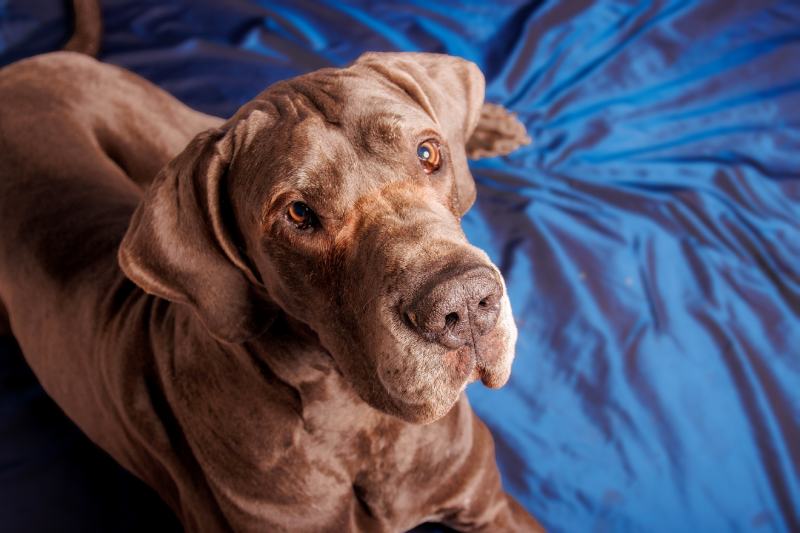
For dog lovers with a taste for the extraordinary, the chocolate Great Dane is a dream come true. Combining the breathtaking stature of a giant breed with the warmth and richness of a chocolate coat, these regal canines are as unique as they are unforgettable. But while their stunning good looks may stop you in your tracks, it‘s the chocolate Dane‘s gentle spirit, affectionate nature, and zest for life that truly captivates the heart.
A Commanding Presence
There‘s no denying that Great Danes are a sight to behold. As one of the world‘s tallest breeds, they tower over most other dogs and even some ponies. The American Kennel Club breed standard states that adult male Danes should stand at least 30 inches at the shoulder, with females a bit shorter at a minimum of 28 inches. However, many Danes exceed these already lofty heights, with some males approaching a jaw-dropping 3 feet tall [1].
In terms of mass, chocolate Danes are substantial dogs, with males typically weighing between 140-175 pounds and females ranging from 110-140 pounds [2]. But despite their impressive bulk, Danes are not cumbersome or plodding. Instead, they possess an athletic grace and elegance, with long, muscular necks, deep chests, and powerful yet streamlined bodies that allow them to move with surprising agility and speed.
A Rare and Striking Shade
While fawn, brindle, blue, and black are the most common colors for Great Danes, the chocolate variant holds a special allure for many enthusiasts. The rich, lustrous brown of a chocolate Dane‘s short, glossy coat is a rare sight, occurring in only a small percentage of the breed population. The exact shade can range from a light milk chocolate to a deep, dark cocoa, often with mesmerizing amber or hazel eyes to match.
Though certain colors like chocolate have long been part of the Dane gene pool, they were not always recognized or promoted by breeders. In the early 20th century, as the breed standard was formalized and dog shows grew in popularity, the focus was on producing the colors and patterns that were deemed most desirable and representative of the ideal Dane type [3].
However, the chocolate hue persisted, occasionally popping up in litters as a recessive trait. Some fanciers began to take note of these striking liver-nosed beauties and bred them selectively, establishing the foundation for the chocolate Danes we know today. While still relatively uncommon compared to traditional colors, chocolate Danes have gained a devoted following among those drawn to their warm, captivating appearance.
The Genetics of Chocolate
So what exactly makes a Dane chocolate? At the genetic level, coat color in dogs is determined by two main pigments: eumelanin (black) and pheomelanin (red). Various genes interact to control the expression and distribution of these pigments, resulting in the array of hues and patterns seen across breeds [4].
The chocolate color specifically is caused by a recessive mutation of the TYRP1 gene, which dilutes black eumelanin to brown. For a Dane to be chocolate, it must inherit this recessive allele from both parents. Even then, the probability of producing a chocolate puppy depends on the specific genotypes of the parent dogs and how they combine.
| Punnet Squares | Dd | Dd |
|---|---|---|
| Dd | 25% DD 50% Dd 25% dd | 50% Dd 50% dd |
| Dd | 50% Dd 50% dd | 100% dd |
For example, breeding two Danes who each carry one copy of the chocolate allele (Dd) would result in approximately 25% chocolate puppies (dd), 50% carriers (Dd), and 25% non-chocolate (DD). Breeding a carrier to a chocolate would increase the odds to 50% chocolate and 50% carriers, while breeding two chocolate Danes would produce 100% chocolate offspring.
It‘s important to note that the chocolate gene can interact with other coat color genes in complex ways. Chocolate Danes, for instance, may also express dilute (blue), brindle, or harlequin patterning depending on their genotype at other loci. Conversely, some genes like merle are incompatible with chocolate, as they require the presence of black pigment to be visible [5].
Hearts as Big as Their Paws
Despite their imposing size and noble bearing, chocolate Danes are renowned for their sweet, affectionate nature and gentle demeanor. Like all Danes, they are deeply devoted to their human families and crave constant companionship. While they may not fit in your lap, they‘ll still try to be as close to you as possible, leaning against your leg, resting their head in your hands, or sprawling out at your feet.
As a breed, Danes are known for being patient, tolerant, and wonderful with children. Their calm, easygoing disposition makes them excellent family pets, as they tend to take the chaos of household life in stride. Many Danes seem to have an innate sense of their own size and power, and will often moderate their strength and enthusiasm when interacting with little ones or more fragile family members.
That‘s not to say that Danes are lazy or low-energy dogs. Despite their laidback attitude, they still need daily exercise to stay fit and healthy. Most Danes enjoy a good romp or a long walk, but they‘re not usually high-strung or hyperactive. Mental stimulation is just as important as physical activity for these bright, sensitive dogs. Teaching them tricks, providing puzzle toys, and letting them participate in family activities can help keep their minds engaged and prevent boredom.
Rising Stars
In recent years, chocolate Danes have been enjoying a surge in visibility and popularity. Social media has played a big role in this trend, with countless accounts dedicated to showcasing the daily lives and adventures of these charismatic canines. From the early days of Instagram sensation @ralphie_the_chocolate_dane to more recent TikTok stars like @cleo_and_crew, the internet can‘t seem to get enough of these big brown beauties.
The rise of chocolate Danes as digital darlings reflects a growing appreciation for unique and eye-catching dog breeds among modern pet owners. In an era where designer crossbreeds and rare purebreds are all the rage, the chocolate Dane stands out as a naturally occurring wonder, a happy accident of genetics that produces a dog as stunning on the inside as it is on the out.
Despite their increasing fame, chocolate Danes are still relatively rare compared to other colors. A 2020 analysis of AKC registration data found that only about 4% of Danes were reported as chocolate, compared to nearly 30% fawn, 24% brindle, and 13% black [6]. This scarcity only adds to their mystique and makes each chocolate Dane feel like a special treasure.
Caring for a Chocolate King (or Queen)
As magnificent as they are, chocolate Danes do come with some unique care considerations that prospective owners should be aware of. For starters, their short, fine coats may seem low-maintenance, but they still require regular grooming to keep skin and fur healthy. Weekly brushing with a soft bristle brush or hound glove can help distribute natural oils, remove loose hair, and prevent irritation.
Danes are also prone to skin fold pyoderma, a bacterial infection that can develop in the creases and wrinkles around their face, lips, and tail. Keeping these areas clean and dry is essential to avoiding painful inflammation and odor. Using a gentle, unscented cleanser and patting the skin thoroughly after bathing can help minimize risk [7].
Like all giant breeds, chocolate Danes have specific nutritional needs to support their rapid growth and development. Choosing a high-quality, age-appropriate dog food that provides balanced levels of protein, fat, and essential nutrients is critical for preventing orthopedic issues like hip dysplasia and promoting overall health. Veterinarians may also recommend supplements like glucosamine, chondroitin, and omega-3 fatty acids to support joint function and mobility [8].
Other health concerns that disproportionately affect Danes include gastric dilatation volvulus (GDV or bloat), cardiomyopathy, hypothyroidism, and certain cancers. While not all of these conditions are preventable, owners can take steps to mitigate risk factors, such as feeding smaller, more frequent meals to reduce bloat risk and working with a veterinarian to develop an appropriate screening and prevention plan based on the dog‘s age, health status, and family history [9].
Living Large with a Gentle Giant
Sharing your heart and home with a chocolate Dane is an adventure like no other. From the moment you bring that clumsy, oversized bundle of joy home, you‘re in for a whirlwind of laughter, love, and unexpected delights. Watching your gentle giant gallop across the backyard, investigate the world with a quizzical tilt of the head, or attempting to become a 175-lb lap dog never fails to bring a smile.
Of course, that‘s not to say the journey is without challenges. Raising a rapidly growing giant breed puppy requires patience, consistency, and a sense of humor. You‘ll go through a lot of dog food, a lot of drool rags, and probably a few pairs of chewed shoes along the way. But with proper training, socialization, and a loving touch, your chocolate Dane will blossom into a well-mannered companion whose very presence brings joy and comfort to your life.
As your Dane ages, you may need to make accommodations for their changing needs. Orthopedic dog beds, raised food bowls, and ramps or stairs can help keep senior Danes comfortable and mobile. Regular veterinary check-ups and a tailored diet and exercise plan can help maximize their quality of life and address any health issues that arise.
No matter what stage of life your chocolate Dane is in, one thing remains constant: the incredible bond you share. These dogs have an uncanny ability to attune to your emotions and offer support, whether that‘s a resounding bark to warn off a potential threat or a soft nuzzle when you‘re feeling low. In their soulful eyes, you see your own heart reflected back at you, and that connection is unshakeable.
A Love as Grand as Their Stature
At the end of the day, what sets chocolate Great Danes apart isn‘t just their dazzling coat or their towering height. It‘s something intangible, an aura of gentleness, a zest for life, an infinite capacity for love. To know a Dane is to experience firsthand the true meaning of the phrase "gentle giant."
In a world that often feels chaotic and unkind, coming home to the steadfast devotion and unbridled affection of a chocolate Dane is a balm for the soul. With their goofy grins, joyful spirits, and hearts as big as their paws, these magnificent dogs remind us to cherish the simple things, to meet each day with compassion and courage, and to love without limits or reservations.
Though no dog is perfect, and raising a giant breed is not for the faint of heart, for those who take the leap, the rewards are immeasurable. A chocolate Great Dane may test the limits of your home, your schedule, and occasionally your patience, but they will never stop expanding the boundaries of your heart. And in the end, that is the rarest and most precious gift of all.
References
- American Kennel Club. (2021). Great Dane Breed Standard.
- Great Dane Club of America. (2021). About the Breed.
- Choron, S. (2005). Planet Dog: A Doglopedia. Houghton Mifflin Harcourt.
- Schmutz, S. M., & Berryere, T. G. (2007). Genes affecting coat colour and pattern in domestic dogs: a review. Animal Genetics, 38(6), 539-549.
- Buzhardt, L. (2021). Genetics Basics – Coat Color Genetics in Dogs. VCA Animal Hospitals.
- Dogtime. (2020). Great Dane Colors: The Rarity and Popularity of the Different Coat Colors.
- Ward, E. (2008). Skin Fold Pyoderma in Dogs. VCA Animal Hospitals.
- Debraekeleer, J. (2018). Nutrition of the Growing Giant Breed Puppy. Merck Veterinary Manual.
- Bell, J. S. (2005). The Genetics of Canine Diseases: Focus on Gastric Dilatation Volvulus in Great Danes. New England Journal of Medicine, 352(13), 1332-1342.