
Cockapoochi (Cockapoo & Chihuahua Mix): Pictures, Info, Care & More

Introducing the Captivating Cockapoochi: Your Guide to This Charismatic Cockapoo-Chihuahua Mix
Are you ready to meet one of the most charismatic new faces in the world of designer dog breeds? Then let me introduce you to the captivating Cockapoochi! This adorable hybrid combines the sweet charm of a Cockapoo with the bold personality of a Chihuahua to create an intelligent, engaging companion with a huge heart packed into a petite body.
Whether you‘re already smitten with this unique crossbreed or you‘re simply curious to learn more, you‘ve come to the right place. As a veterinarian and dog lover, I‘m here to be your expert guide to all things Cockapoochi, from their history and appearance to their health and training needs. By the end of this thorough breed profile, you‘ll have all the information you need to decide if one of these darling dogs might be your ideal match. Let‘s dive in!
The History of the Cockapoochi
To understand the Cockapoochi, it helps to first take a closer look at the history of its parent breeds: the Cockapoo and the Chihuahua.
The Cockapoo is considered one of the first "designer dogs," with intentional crossbreeding between Cocker Spaniels and Poodles beginning in the 1960s. The goal was to create an intelligent, low-shedding companion dog—and with their gentle temperaments and teddy bear looks, Cockapoos quickly captured hearts.
Chihuahuas, on the other hand, are one of the world‘s oldest dog breeds. These tiny charmers originated in Mexico, where they held sacred and religious significance for the ancient Toltec civilization. In the mid-1800s, Americans visiting the Mexican state of Chihuahua discovered the small dogs and brought them back to the U.S., where they rapidly gained popularity.
So when did these two iconic breeds first come together to create Cockapoochis? While the exact origins of the hybrid are unclear, intentional crossbreeding likely began sometime in the early 2000s in the U.S. or U.K. With the ever-growing popularity of "doodle" mixes and purse-sized pups, it was only natural that a breeder would decide to combine the lovable Cockapoo with the boldly charming Chihuahua.
In just a couple decades, Cockapoochis have carved out a place for themselves as engaging, intelligent companion dogs well-suited to apartment life or as an addition to loving homes with older children. While still a relatively rare hybrid compared to more established "doodle" mixes like Labradoodles or Goldendoodles, these diminutive dogs are rapidly gaining fans around the world.
A Closer Look at the Cockapoochi
Cockapoochi Size, Appearance, and Coat
Standing just 8-12 inches tall and weighing in at 10-20 pounds, the Cockapoochi is a pint-sized pup with a big personality. Their compact size makes them ideally suited to life in smaller homes or apartments, as long as they get plenty of daily activity and engagement.
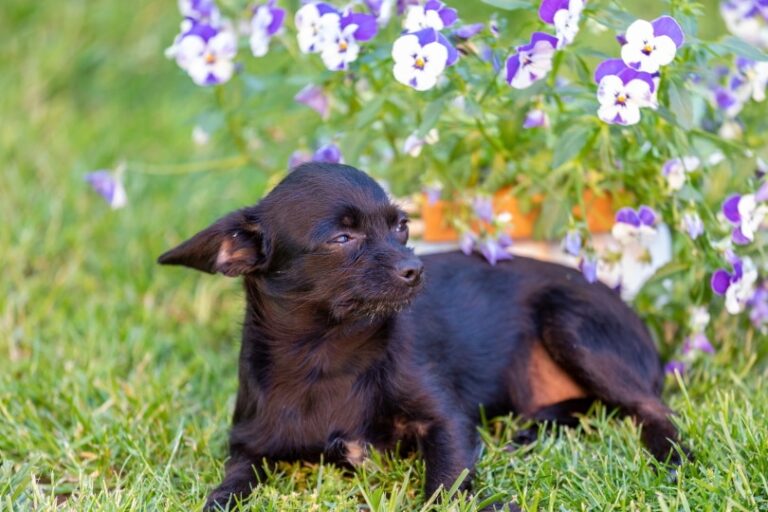
With genes from three distinct breeds—the Cocker Spaniel, Poodle, and Chihuahua—Cockapoochis can vary quite a bit in terms of their appearance. Some may have the rounded head, floppy ears, and soulful eyes of a Cockapoo, while others inherit the apple-shaped dome, pointy ears, and inquisitive expression of a Chihuahua.
Coats can also run the gamut in terms of color, length, and texture. Possible coat colors include black, cream, white, apricot, red, chocolate, fawn, and gold. Some may have a single color, while others sport a mix of shades. Depending on which parent breed they favor, a Cockapoochi‘s coat may be short and smooth, medium-length and wavy, or long and curly.
If a Cockapoochi takes after their Cockapoo parent, there‘s a good chance they‘ll be low-shedding and potentially hypoallergenic—a big plus for allergy sufferers. However, those leaning more toward the Chihuahua side are likely to shed moderately throughout the year, with heavier shedding during seasonal changes.
Regardless of coat type, all Cockapoochis will need regular brushing and grooming to keep their skin and hair healthy. Those with medium or long coats may require daily brushing to prevent matting and tangling, as well as the occasional trim. Short-coated Cockapoochis can typically get by with brushing a few times a week. In addition to coat care, don‘t forget regular nail trims, ear cleanings, and dental care as part of your pup‘s hygiene routine.
The Cockapoochi Temperament
One thing‘s for sure: life with a Cockapoochi is never boring! These social, smart dogs thrive on being the center of attention and love nothing more than being involved in all your daily activities.
Given their genetic mix, a Cockapoochi‘s personality can lean more toward either parent breed—or land somewhere in the middle. Those favoring their Cockapoo genes tend to be gentle, easygoing companions content to shadow you from room to room or curl up in your lap for a snuggle session. With their Cocker Spaniel heritage, some Cockapoochis may show a higher prey drive and need plenty of mentally stimulating play to keep them happy.
On the other hand, a Cockapoochi with a stronger Chihuahua influence is likely to be more alert, inquisitive, and yes—even a bit feisty at times! These tiny dogs have big personalities and often seem blissfully unaware of their small stature. They can also be more independent and stubborn compared to easy-to-please Cockapoos.
Regardless of which side they take after, all Cockapoochis tend to form strong bonds with their favorite humans and may be prone to separation anxiety if left alone too long or too often. They‘ll do best in homes where they receive plenty of companionship, attention, and engagement.
The good news is, Cockapoochis are very tuned in to their owners and aim to please. With patient, positive training and socialization from an early age, these intelligent dogs typically respond well and enjoy learning new commands, tricks, and skills. Just keep training sessions short and fun to hold their interest.
While generally friendly and loving with family, Cockapoochis can sometimes be aloof or even snappy with strangers if not properly socialized. Especially with the more Chihuahua-like individuals, it‘s essential to expose your Cockapoochi to a wide range of people, pets, places, and situations from puppyhood to help them gain confidence and reduce the risk of fearfulness.
Cockapoochis and Families
Due to their petite size and big personalities, Cockapoochis can make wonderful companions for individuals or families with gentle older children who understand how to respectfully interact. However, these tiny dogs are likely too small and potentially snappy to be a safe choice for families with infants, toddlers, or rowdy younger kids.
Even with proper training and socialization, Cockapoochis may instinctively resort to growling, snapping, or even biting if they feel threatened by clumsy handling or rough play. A child could also easily injure these diminutive dogs by accidentally stepping on them, squeezing too hard, or dropping them.
If you do have older children and are considering adding a Cockapoochi to your family, be sure to involve the whole crew in the pup‘s training and care. With clear boundaries and expectations for both the dog and kids, you can create a harmonious home where everyone stays happy, healthy, and safe.
Cockapoochis can typically coexist peacefully with other dogs and even cats if raised together and properly socialized. However, their small size puts them at risk of injury from larger, more rambunctious dogs, so always supervise play and intervene if things get too rowdy. Some Cockapoochis with a higher prey drive may also view small animals like rodents or birds as potential snacks rather than friends, so proceed with caution when it comes to pocket pet pals.
Exercise and Activity Level
For their size, Cockapoochis have pretty big exercise needs—after all, they‘re the offspring of two lively, athletic breeds in a compact package! Expect to provide at least 45-60 minutes of physical activity each day, broken up into a couple walks and some spirited play sessions.
These smart dogs also need plenty of mental stimulation to prevent boredom and destructive behaviors. Puzzle toys, games of hide-and-seek, trick training, and even dog sports like agility or flyball can help keep their minds engaged.
Fortunately, Cockapoochis‘ portable size means you can easily bring them along on all your daily adventures, from running errands around town to camping trips in the great outdoors. Just remember, these tiny pups have short legs and can tire out faster than larger dogs. On longer outings, you‘ll want to give your Cockapoochi plenty of rest breaks or even pack them up in a carrier, sling, or backpack if they start to lag behind.
Potential Health Concerns
Given that the Cockapoochi is a newer hybrid without a long history, there‘s still a lot to learn about their long-term health and longevity. The best way to predict the potential health issues your Cockapoochi may face is to look at the common concerns of their parent breeds.
From the Cockapoo side, Cockapoochis may be prone to eye disorders like progressive retinal atrophy (PRA), glaucoma, and cataracts; joint issues such as hip dysplasia and patellar luxation; heart problems like mitral valve disease; and skin allergies or ear infections.
Chihuahuas can also be susceptible to heart problems along with joint issues like patellar luxation, eye disorders like glaucoma and corneal ulcers, respiratory conditions including tracheal collapse, neurological issues like hydrocephalus, and dental disease.
While mixed-breed dogs like Cockapoochis tend to have fewer inherited health issues compared to their purebred parents, there are no guarantees. The best way to stack the odds in your pup‘s favor is to work with a reputable breeder who health tests their breeding dogs for common genetic disorders.
From there, providing your Cockapoochi with a nutritious diet, keeping them at a healthy weight, staying up to date on preventative care, and partnering with a trusted veterinarian can go a long way toward a long, healthy life. With proper care, Cockapoochis can enjoy an average lifespan of 12-15 years.
The Final Word on Cockapoochis
Fun, feisty, and full of affection, Cockapoochis can make delightful companions for the right individuals and families. These petite pooches may be small in stature, but they‘re big on brains, energy, and personality!
Of course, adding any dog to your home is a major commitment, and the Cockapoochi is no exception. These pups require dedicated training, socialization, and daily activity to become well-rounded family members. Those with more independent, Chihuahua-like temperaments can also be a challenge for first-time dog owners to handle.
On the flip side, Cockapoochis‘ compact size, keen intelligence, and portability can make them fantastic companions for apartment dwellers, active singles, and families with gentle older children. They‘re also highly adaptable, equally at home snuggled on the couch or out exploring the world at your side.
If you think the captivating Cockapoochi might be the perfect fit for your lifestyle, do your research to find a responsible breeder committed to the health and temperament of their pups. Prepare yourself with the knowledge, skills, and supplies to meet your new dog‘s needs.
With a solid foundation of positive training, plenty of love and attention, and a dash of humor to weather the inevitable antics, you‘ll be well on your way to many happy years with your very own charismatic Cockapoochi!




:%20Pictures,%20Info,%20Care%20&%20More)