
The English Pointer: A Complete Guide to this Agile, Affectionate Sporting Breed
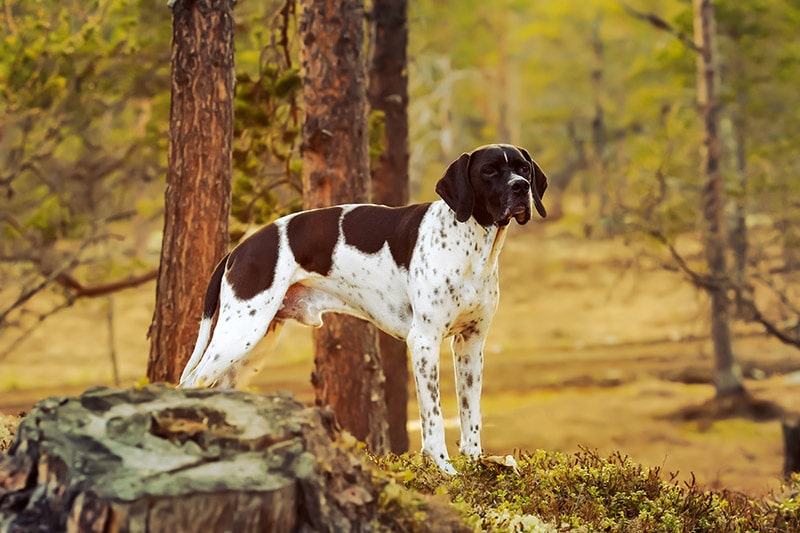
If you‘re looking for an energetic, intelligent dog to be your running buddy, adventure companion, and snuggle partner, the English Pointer might be your perfect match. Prized by hunters and active dog lovers for centuries, Pointers are as friendly and loyal as they are athletically gifted. But these dynamic dogs aren‘t for everyone – they require dedicated owners who can keep up with their high exercise needs and channel their keen minds. Could a Pointer be the right dog for you? Let‘s find out!
Breed History: From the Field to the Family Room
The English Pointer originated in 17th century England, where they were developed as specialized bird hunting dogs. Named for their instinct to "point" at their quarry with an outstretched muzzle, neck, and paw, Pointers allowed hunters to walk up and throw a net over the birds before the widespread use of firearms.
According to the American Kennel Club breed history, Pointers were refined from crosses of earlier pointing breeds like the Spanish Pointer, Foxhounds, Bloodhounds, and Greyhounds. By the early 1800s, the Pointer was widely used in England and America to hunt game birds like grouse, pheasant, and quail. Their speed, stamina, and scenting prowess made them highly effective gun dogs.
Pointers have been popular with many notable figures over the centuries:
- Founding Father George Washington was an avid fox hunter who owned several Pointers
- Civil War General George Custer‘s pack of sporting dogs included English Pointers
- American author and playwright Thornton Wilder owned a beloved Pointer named Theophilus
While Pointers are still used in hunting and field trials today, the majority are now cherished family companions. The breed was one of the first nine recognized by the AKC in 1884 and currently ranks 114th out of 195 breeds in popularity.
Physical Characteristics: Strength Meets Style
Pointers are the supermodels of the sporting group – athletes with a slim, muscular silhouette. Here‘s an overview of their defining physical traits:
Size and Weight
- Males: 25-28 inches tall, 55-75 pounds
- Females: 23-26 inches tall, 44-65 pounds
Coat
Pointers have a short, dense coat that is smooth to the touch and lies flat against the body. The coat sheds moderately year-round but is easy to maintain with regular brushing. Acceptable colors include:
- Liver (a deep reddish-brown)
- Lemon (a light brown)
- Black
- Orange
- Any of these colors with white markings
Head
The Pointer‘s head is long and slightly concave, with a defined stop and a nose that is wide with open nostrils for optimal scenting. Eyes are almond-shaped and range from hazel to brown, with an alert, intelligent expression. Thin, silky ears hang close to the head.
Body
Pointers are the picture of graceful athleticism:
- Long, arched neck
- Deep chest with well-sprung ribs
- Straight, level topline
- Muscular hindquarters
- Powerful, oval-shaped feet
Tail
The tail historically was docked to around 40% of its natural length. These days, many Pointers‘ tails are left natural, long and tapering to a point. When the dog is alert, the tail is held straight out.
Temperament: Eager to Please, Born to Run
English Pointers are known for being even-tempered, friendly dogs who adore their people. They bond closely with their families and will want to be involved in all your daily activities. While not overly suspicious of strangers, Pointers can be a bit reserved until they‘ve decided you‘re a friend.
Pointers are famously energetic dogs who live to run, play, and work. Bred to hunt in the field all day, Pointers are athletes who thrive with very active owners. They love having a job to do, whether that‘s tearing after a ball, joining you on a run, or sniffing out birds.
Left under-exercised or under-stimulated, Pointers may develop behavior issues like:
- Hyperactivity indoors
- Destructive chewing
- Barking or howling
- Digging
But with enough vigorous exercise – a minimum of 60-90 minutes per day for adult dogs – Pointers are generally calm and content in the house. They have an affectionate, sometimes goofy side and will happily curl up with you to relax after a long day.
Pointers are sensitive, people-pleasing dogs who respond well to positive reinforcement training. They need consistency and structure but are eager pupils who enjoy learning new things. With early socialization and basic obedience training, they can excel in:
- Obedience
- Agility
- Dock diving
- Flyball
- Tracking
- Field trials
One trait all Pointer owners must be aware of is the breed‘s strong prey drive. Hardwired to notice the smallest movements in the brush, Pointers will take off after perceived prey if not contained by a fence or leash. They also have strong chasing instincts, so they may not be trustworthy around cats, rabbits, and other small furry pets.
Health: Considerations for a Long, Active Life
The average lifespan of an English Pointer is 12-14 years. As a breed, they are generally healthy dogs, but like all purebreds they are prone to certain genetic conditions, including:
Hip Dysplasia
A malformation of the hip joint that can lead to arthritis and lameness. Responsible breeders screen breeding stock to help prevent hereditary hip dysplasia.
Eye Disorders
Some heritable eye diseases that affect Pointers are:
- Progressive Retinal Atrophy (PRA): A degenerative disease that eventually leads to blindness
- Retinal Dysplasia: Abnormal development of the retina that can impair vision
- Cherry eye: Prolapse of the third eyelid gland
Allergies
Like many breeds, Pointers can be prone to allergies that lead to itchy skin and ear infections. Allergies may be triggered by food, fleas, or environmental irritants.
Cancer is a leading cause of death for older Pointers. Lymphoma and osteosarcoma are two types most commonly seen in this breed.
Orthopedic Injuries
With their boisterous, energetic nature, Pointers can be prone to orthopedic soft tissue injuries like torn cruciate ligaments or luxating patellas. Proper conditioning, warming up before exercise, and avoiding repetitive strain can help prevent these injuries.
Bloat
Gastric dilatation-volvulus (GDV), commonly known as bloat, is a life-threatening condition where the stomach twists and fills with air. Deep-chested breeds like Pointers are at increased risk. Symptoms come on suddenly and may include restlessness, unproductive vomiting, and a swollen stomach. GDV requires immediate emergency care.
To set your Pointer puppy up for a healthy life, choose a responsible breeder who screens their breeding dogs for common inherited diseases. Keep your Pointer lean and fit with a balanced diet and plenty of exercise. Regular vet check-ups, keeping up with preventive care, and seeking prompt treatment for any health issues will help your Pointer live their healthiest life.
Grooming: Keeping it Simple
Pointers have a "wash and wear" coat that‘s a cinch to maintain:
- Brush weekly with a bristle brush or grooming mitt to remove loose fur and keep skin healthy
- Bathe only as needed if your Pointer rolls in something stinky
- Check and clean ears weekly to remove any wax build-up or debris
- Trim nails regularly, usually every few weeks
- Brush teeth daily or several times a week
Shedding is moderate with the smooth Pointer coat. You may notice a heavier shed in spring as they lose their winter coat, but it‘s generally easily controlled with regular brushing. This is a fairly low-maintenance breed when it comes to grooming.
Fun Facts
-
The Pointer is thought to be one of the oldest sporting breeds, with a legacy tracing back to the 1600s.
-
Pointers have a remarkable sense of smell, able to detect bird scent from over 100 yards away. Selective breeding capitalized on this trait to create the ultimate bird hunting dog.
-
The English Pointer has influenced the development of several other pointing breeds, including the German Shorthaired Pointer, Vizsla, and Weimaraner.
-
A Pointer named Sailor was one of only three dogs to survive the sinking of the Titanic in 1912. He was wrapped in a blanket and carried into the lifeboat by his owner, New York businessman Henry Harper.
-
Pointers are closely related to Setters, with whom they share many physical and personality traits. The main difference is that Setters freeze in a crouching position when they locate prey, while Pointers remain standing.
-
English Pointers currently rank 114th out of 195 AKC recognized breeds in popularity. While they have a devoted following among hunters and active dog owners, their high exercise needs make them less well-suited for the average family compared to some other sporting breeds.
Is the English Pointer Right for You?
English Pointers can be incredibly devoted, loving companions for the right person or family. They tend to be good with respectful children and other dogs, and their short coats and moderate grooming needs are appealing for those who don‘t want a high-maintenance dog.
However, Pointers are not the breed for a sedentary household. These dogs require ample daily exercise and plenty of interaction with their people – they are not a breed to be left alone for long periods. A securely fenced yard is a must to provide a safe place for a Pointer to run and play in between long walks, jogs, hikes, and other outings.
If you‘re looking for an affectionate, energetic companion who will keep you active and love being by your side, an English Pointer may be your ideal match. Prospective owners should carefully research the breed and be honest about whether they can meet a Pointer‘s needs. If you can provide an active lifestyle, consistent training, and lifelong care, you‘ll be rewarded with a loyal, loving friend for many years to come.
Finding a Responsible Pointer Breeder
If you‘ve decided the English Pointer is the breed for you, it‘s critical to find an ethical, responsible breeder. Look for a breeder who:
- Is active in their local or national breed club and adheres to the club Code of Ethics
- Health tests all breeding dogs and provides certificates like OFA hip clearances and eye exams
- Allows you to visit their kennel and meet the parent dogs
- Socializes puppies and ensures they are raised in a clean, enriching environment
- Has a written contract detailing health guarantees, spay/neuter requirements, and lifetime rehoming policy
- Stays in contact and offers support for the lifetime of the dog
Avoid breeders who always have puppies available, sell to pet stores, or refuse to let you see where their dogs are raised. Responsible breeders are invested in placing puppies in appropriate homes and will screen potential owners carefully.
You may also want to consider adopting an English Pointer from a breed-specific rescue group. These organizations take in surrendered Pointers and place them in qualified forever homes. Adopting an adult dog allows you to skip the challenging puppy stage and have a better idea of the dog‘s personality and needs from the start.
Embarking on a Pointer Adventure
English Pointers are exceptional dogs who have been cherished companions to hunters, outdoor enthusiasts, and active families for centuries. While undeniably good-looking and elegant, Pointers are also rugged, tireless athletes who need a committed owner to keep up with their physical and mental needs.
If you can give a Pointer a home where they will be included in an active lifestyle and have plenty of opportunities to run, play, and put their keen nose to work, you‘ll never find a more loyal or loving friend. These dogs will be up for any adventure and will adore being by your side through it all. With an English Pointer as your sidekick, every day can be an exciting new quest.
References
- American Kennel Club. English Pointer. https://www.akc.org/dog-breeds/pointer/
- United Kennel Club. Pointer. https://www.ukcdogs.com/pointer
- The Kennel Club UK. Pointer. https://www.thekennelclub.org.uk/search/breeds-a-to-z/breeds/gundog/pointer/
- English Pointer Association of America. https://www.englishpointerassociation.org/


