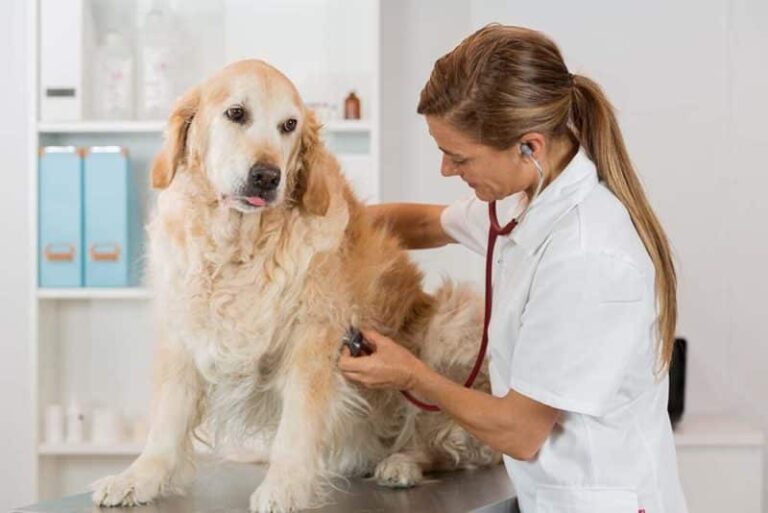
Why Is My Dog‘s Nose Bleeding From One Side? A Dog Lover‘s Guide to Unilateral Nosebleeds

As a lifelong dog lover and veterinarian, I know firsthand how frightening it can be to discover your furry best friend has a nosebleed. Whether it‘s a single drop of blood or a steady stream, any amount of bleeding from your pup‘s nose is cause for concern.
If you‘ve noticed blood dripping from only one of your dog‘s nostrils, you may be wondering what could be causing this unilateral bleeding and what you should do next. As someone who has guided many worried pet parents through this scary situation, I‘m here to walk you through the most common causes of one-sided nosebleeds in dogs, what signs to look out for, and when it‘s time to visit the vet.
What Exactly Is a Nosebleed in Dogs?
Nosebleeds, known medically as epistaxis, refer to any bleeding from the nose. This can range from occasional blood-tinged nasal discharge to a constant flow of fresh blood. Some dogs may sneeze out small amounts of blood, while others develop a more dramatic gushing nosebleed.
To understand why nosebleeds occur, it‘s helpful to visualize the anatomy of the canine nasal cavity. The nose is made up of two separate passages, divided by a thin sheet of cartilage called the nasal septum. Each nasal passage contains many tiny blood vessels that can be damaged by trauma, inflammation, or disease.
Normally, when a blood vessel is injured, special blood cells called platelets rush to the area and clump together to form a clot. This clot acts like a plug to stop the bleeding. However, if a dog has an underlying condition that interferes with clot formation, even a minor bump on the nose can lead to significant bleeding that‘s hard to control.
Signs That Your Dog May Have a Nosebleed
Seeing spots of blood on your dog‘s favorite blanket or a pool of blood on the floor is certainly alarming, but not all signs of a nosebleed are quite so dramatic. More subtle signs to watch for include:
- Blood stains on toys or bedding
- Frequent sneezing or snorting
- Nosebleeds that start and stop intermittently
- Rubbing or pawing at the nose or face
- Unilateral nasal discharge (mucus from one nostril) tinged with blood
- Swallowing excessively or licking the nose
- Behavioral changes like lethargy or reduced appetite
- Pale gums and prolonged bleeding from minor wounds elsewhere on the body
If your dog suddenly starts bleeding from one nostril, don‘t panic. With prompt first aid and veterinary care, most nosebleeds can be successfully managed. However, it‘s important to identify the underlying cause to prevent future episodes and protect your pup‘s overall health.
Causes of Unilateral Nosebleeds in Dogs
When a dog presents to the vet with a one-sided nosebleed, the first step is to figure out if the bleeding is caused by a problem inside the nose itself or a more generalized issue with blood clotting.
According to a 2019 retrospective study of 139 dogs with epistaxis, the most common local causes of nosebleeds were:
- Nasal tumors (39.6%)
- Fungal rhinitis (15.8%)
- Foreign bodies (5%)
- Tooth root abscesses (2.2%)
The study found that unilateral bleeding was more strongly associated with nasal tumors and fungal infections compared to other causes. This makes sense anatomically, as a mass growing in one nasal passage would be more likely to cause one-sided symptoms.
Let‘s take a closer look at each of these potential culprits:
Nasal Tumors
Both benign and malignant tumors can develop inside a dog‘s nasal cavity. As the mass expands, it puts pressure on the delicate blood vessels lining the nose. Even a minor bump or sneeze can rupture these vessels and cause sudden, often unilateral bleeding.
Breeds with longer noses like Collies, Shetland Sheepdogs, and Dachshunds are more prone to nasal tumors than their flat-faced counterparts. The average age at diagnosis is 9-12 years old. In addition to unilateral bloody nasal discharge, signs of a nasal tumor may include:
- Facial swelling or asymmetry
- Difficulty breathing through the nose
- Noisy breathing or snoring
- Neurologic symptoms like seizures or behavior changes (with tumors that extend into the brain)
Sadly, up to 80% of dogs with nasal tumors have already developed the telltale sign of a nosebleed by the time they visit the vet. While many nasal masses are locally invasive and tricky to remove, the sooner they are diagnosed and treated, the better the chances of controlling symptoms and extending quality of life.
Fungal Infections
Opportunistic fungi like Aspergillus and Cryptococcus can invade a dog‘s nasal passages, leading to a destructive condition called fungal rhinitis. As the fungus spreads, it causes inflammation, erosion of the nasal turbinates (small bones in the nose), and unilateral mucoid discharge streaked with blood.
Any dog can develop a fungal sinus infection, but young to middle-aged Dolicocephalic breeds (those with long noses) seem to be predisposed. A 2016 study of 110 dogs with sinonasal aspergillosis found that the median age at diagnosis was 4.8 years, with German Shepherds being most commonly affected.
If your vet suspects a fungal cause for your dog‘s nosebleed, they may recommend a CT scan or rhinoscopy to visualize the inside of the nose and collect samples for culture. Blood tests can also help diagnose body-wide fungal infections like cryptococcosis. Treatment typically involves a combination of oral antifungal drugs and anti-inflammatories, but severe cases may require endoscopic removal of affected tissue.
Foreign Bodies
It‘s no secret that dogs love to stop and sniff anything interesting they encounter on their daily walks. Unfortunately, this curious nature also makes them prone to inhaling irritants like foxtails, grass awns, and small sticks up the nose.
Once lodged inside the nasal cavity, these foreign bodies trigger inflammation, discharge, sneezing, and sometimes unilateral bleeding. Affected dogs may rub their face on the ground, paw at their nose, or even develop a visible hole in the tissues between the nostrils if the object migrates through the septum.
Removing a nasal foreign body often requires general anesthesia to allow a thorough exploration of the nasal cavity. Depending on the size and location of the object, your vet may be able to grasp and remove it using long-handled forceps or endoscopic tools. Antibiotics are often prescribed afterwards to prevent secondary bacterial infections.
Tooth Root Abscesses
While nose bleeds and dental problems may seem unrelated, an abscessed tooth can actually cause unilateral nasal discharge and epistaxis. If bacteria invade and infect the root of one of the upper canine teeth, the infection can spread to the nearby nasal cavity and cause localized inflammation and bleeding.
Large breed dogs and those with a history of dental disease are at higher risk for tooth root abscesses. Common signs include facial swelling, foul breath, drooling, and pain when touched around the affected side of the face.
Diagnosing a tooth root abscess as the cause of a dog‘s nosebleed usually requires dental x-rays to visualize the infected roots. Treatment involves surgically extracting the damaged tooth and flushing out the nasal cavity. Most dogs feel dramatically better once the source of infection is removed!
In addition to these localized nasal causes, unilateral nosebleeds in dogs can also be a sign of a more generalized problem with blood clotting. Some systemic causes to be aware of include:
- Thrombocytopenia (low platelet counts) from immune-mediated disease, tick-borne infections, or rodenticide toxicity
- Liver failure leading to reduced clotting factor production
- Hemophilia and other congenital bleeding disorders like Von Willebrand‘s disease
With these conditions, dogs typically develop nosebleeds in conjunction with bleeding from other sites like the gums, GI tract, and urinary system. Careful evaluation by a veterinarian is essential to determine the cause and best treatment approach.
What to Do If Your Dog Has a Nosebleed: First Aid Tips
Finding your beloved companion bleeding from the nose is enough to make any pet parent panic. However, staying calm and focused on first aid is crucial to keep your pup stable until you can get to the vet. Here are my top tips for managing an acute dog nosebleed at home:
-
Stay calm and keep your dog as still and quiet as possible. Restrict their activity to prevent further increases in blood pressure and bleeding. If needed, confine them to a small room or crate with soft bedding.
-
If bleeding is minor, gently clean around the nostrils with a damp cloth. Avoid putting anything inside the nose itself, as this can cause further trauma.
-
Apply an icepack or bag of frozen vegetables to the bridge of your dog‘s nose. The cold will help constrict blood vessels and slow bleeding. Hold it in place for 10-15 minutes at a time, taking breaks to avoid tissue damage.
-
For severe bleeding that won‘t stop, roll a strip of gauze into a cigar shape, soak it in ice water, and gently pack it into the bleeding nostril. Apply constant pressure for at least 5 minutes before checking and replacing the packing if needed. Don‘t use tissue or cotton balls, as these can break apart and lodge in the nasal cavity. Transport your dog to the nearest veterinary clinic as soon as possible.
-
Monitor your dog closely for pale gums, weakness, labored breathing, or collapse – all signs of significant blood loss that warrant an immediate trip to the ER. Even if the bleeding stops, it‘s best to have any dog with a nosebleed evaluated by a vet within 24 hours.
Nosebleed Prevention & When to See the Vet
While you can‘t prevent every bump or scrape to your pup‘s nose, there are some proactive steps you can take to reduce their risk of developing a serious nosebleed:
- Keep your dog up to date on monthly parasite prevention to avoid tick-borne illnesses that interfere with clotting
- Brush your dog‘s teeth daily and address any signs of oral pain or swelling right away to prevent tooth root abscesses
- Store rodenticides, NSAIDs, and other toxins well out of reach of curious noses
- Avoid letting your dog roam in areas with tall grasses and foxtails that can get stuck in the nose
- If your dog has a known bleeding disorder like Von Willebrand‘s disease, be extra cautious with rough play and consider using a harness instead of a neck collar to avoid trauma to the nose
Most importantly, always err on the side of caution when it comes to your dog‘s health. If your furry friend experiences a nosebleed, don‘t wait to see if it will resolve on its own. Reach out to your trusted veterinarian right away for guidance, even if it‘s after hours. With their expertise and your loving care, you can help your loyal companion on the path to a speedy recovery.
Frequently Asked Questions About Dog Nosebleeds
As a vet, I hear many of the same questions from worried dog owners when their pup suffers a nosebleed. Let‘s address some of the most common concerns:
Q: How much blood loss is normal with a dog nosebleed?
A: It‘s hard to quantify what a "normal" amount of blood loss looks like with a nosebleed, as it depends on your dog‘s size and underlying cause. A few drops of blood may be nothing to worry about in a large breed dog, but a similar amount of bleeding in a toy breed can be life-threatening. When in doubt, any amount of frank bleeding from the nose warrants a call to the vet.
Q: Are certain breeds more prone to nosebleeds?
A: While any dog can develop a nosebleed, some breeds do seem to be at higher risk. Dogs with long noses like Collies, German Shepherds, and Hounds are more prone to nasal tumors and fungal infections. Doberman Pinschers, Golden Retrievers, and Poodles are among the breeds that commonly inherit clotting disorders like Von Willebrand‘s disease. Brachycephalic (flat-faced) breeds like Pugs and Bulldogs are more apt to develop nosebleeds from trauma due to their compressed nasal anatomy.
Q: What is the prognosis for a dog with a nosebleed?
A: The outlook for a dog with a nosebleed depends on the underlying diagnosis. Dogs with benign nasal polyps or foreign bodies often make a full recovery once the mass is removed. Fungal infections can be successfully managed with long-term medication in many cases. The prognosis is more guarded for dogs with malignant nasal tumors, but radiation therapy and new cancer treatments are helping dogs live longer than ever. Nosebleeds caused by immune-mediated or inherited clotting disorders may wax and wane over time, but many of these conditions can be controlled with medication and close monitoring.
Q: Can stress cause a dog to have a nosebleed?
A: Stress itself does not directly cause nosebleeds in dogs. However, anxious dogs may engage in behaviors that increase their risk of nasal trauma, like excessive rubbing or scratching at their face. Stress can also weaken the immune system over time, making dogs more susceptible to infections that cause nosebleeds.
Q: Are there any holistic remedies for managing dog nosebleeds?
A: Some holistic veterinarians recommend herbal remedies like Yunnan Baiyo and stinging nettle to help control bleeding and reduce inflammation in the nasal passages. Cold laser therapy is also being studied as a drug-free way to speed healing of damaged nasal tissues. However, these therapies should only be used under the guidance of a licensed veterinarian after a full diagnostic workup. Holistic remedies can provide supportive care for some dogs with nosebleeds, but they are not a substitute for treating the underlying cause.
As a fellow dog lover, I know how special the bond we share with our canine companions is. When something goes wrong with our furry family members, it‘s natural to feel scared and overwhelmed. However, I hope this guide has given you a clearer understanding of why dogs develop one-sided nosebleeds and what you can do to help.
Remember, you are your dog‘s greatest advocate. Trust your instincts, and don‘t hesitate to seek veterinary care whenever you‘re concerned about your pup‘s health. With a strong partnership between pet parent and vet, even the scariest nosebleed can have a happy ending.